17 Beaches in Belgium to Discover This Summer (By a Local)
This article may contain affiliate links. This means we receive a small commission whenever you book or purchase something through our links (at no extra cost to you!). You can find more information in our disclaimer.
Forget the palm trees and crystal clear waters. Instead, imagine a long coastline with wide, sandy beaches. The mighty North Sea can be blue-green on sunny days or grey and wild on stormy days. Boulevards with beach bars, shops and restaurants, and nature reserves in between the beach towns. That’s what the beaches in Belgium look like.

SUMMARY: If you’re planning your next seaside escape, here are my top picks for the best beaches in Belgium:
- For Families: De Panne
- Easily Accessible: Ostend
- Seeking Tranquility? Bredene
- Authentic Coastal Town: De Haan
I grew up in a small village located about 15 minutes from Knokke and 15 minutes from the Dutch town Retranchement, beach towns in different countries that are separated only by the nature reserve ‘t Zwin.
On top of that, I spent every summer at my grandparents’ house in De Panne – so it’s safe to say I know a thing or two about the Belgian Coast.
In this blog post, I’d like to discuss 17 of the best beaches Belgium has to offer. From popular tourist destinations to hidden gems, I’ve got you covered.
Belgium’s beach towns and their beaches
1. De Panne
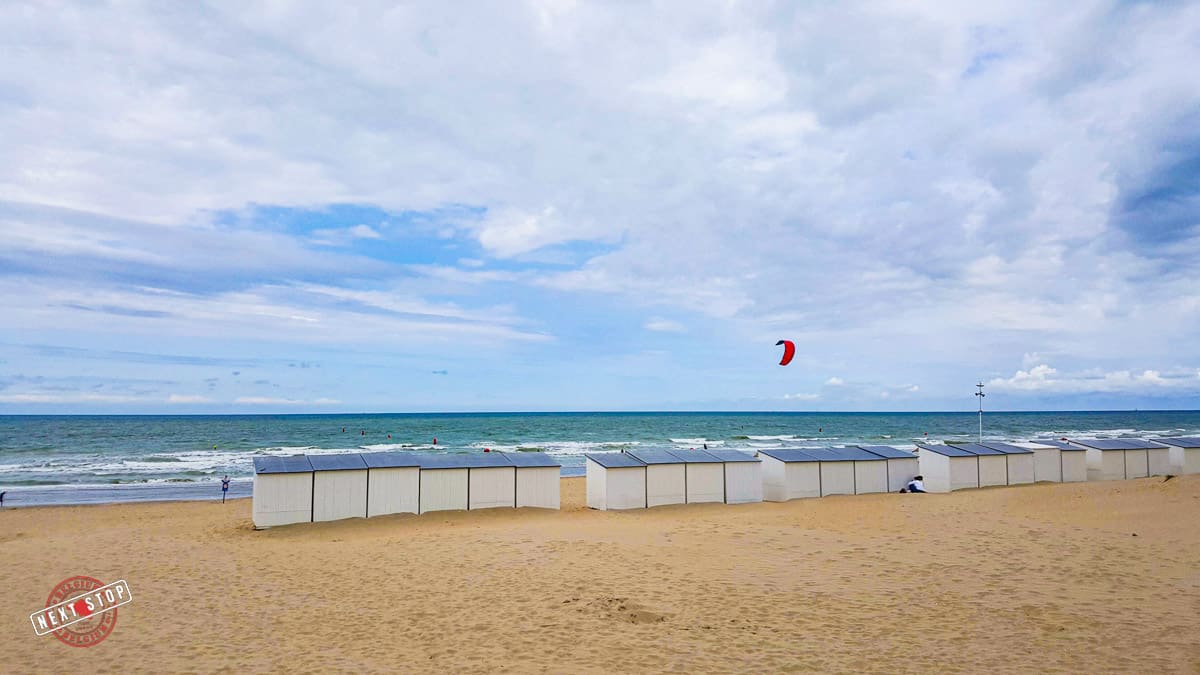
De Panne is a seaside resort town in Belgium that is well-known for its wide, sandy beaches. Only a Nature Reserve separates it from France. De Panne Beach is the widest in the entire country; during low tide, it becomes 425 meters wide!
I think it’s the most beautiful beach in Belgium, but I might be biased because my grandma lives here and I spend every summer on this beach!
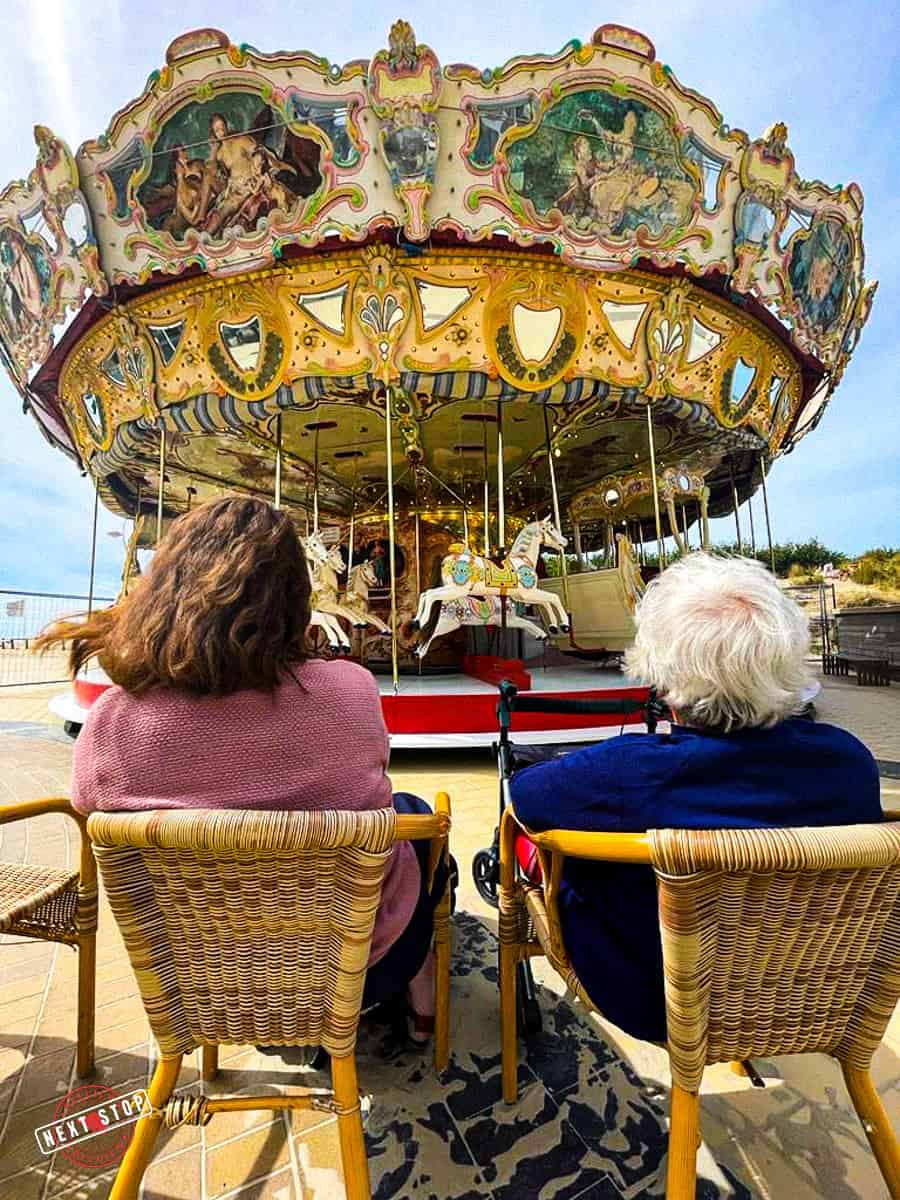
 The promenade in De Panne, always a great spot for people watching.
- Me and my grandmother watching my daughter on the old carousel.

Other things to do in De Panne include the historical tram museum and Domain Duinpanne, which focuses on marine life and conservation. Don’t forget to walk up to the scenic Kykhill viewpoint, or go hiking at Nature Reserve De Westhoek‘s dunes and forest.
My grandma’s house is in the Dumont neighbourhood which is definitely worth exploring as it’s full of the most charming houses.
And of course, a key attraction if you’re visiting with kids is Plopsaland, one of Belgium’s most famous theme parks.

2. St. Idesbald
St. Idesbald is a small beach town located between De Panne and Koksijde (in fact, it’s a sub-municipality of the latter).
The town was named after Saint-Idesbald, a 12th-century abbot who lived in the local Abbey Ten Duine.
The town is home to a beautiful sandy beach called Baldusbeach and is clean and well-maintained, with plenty of space for swimming, sunbathing, and other activities.
If you’re looking for a hidden gem along the Belgian coast, St. Idesbald is an ideal destination. But be aware that it’s a calm spot with few things to do (however, other destinations are just a short tram ride away).
The two things to do worth mentioning are the Koksijde yachting club and the Museum Paul Delvaux if art is one of your interests.

3. Koksijde
Koksijde is a small town divided into two sections. The touristy part is situated on the coast (Koksijde-Bad) and the actual town, Koksijde-Dorp, is located a bit more inland (about 30 minutes on foot from the beach).
Koksijde is a nature lover’s paradise:
- One of the highlights is Doornpanne and Schipgatduinen, a nature reserve located between the beaches of Koksijde and Oostduinkerke.
- There is also Natuureducatief Centrum Duinenhuis, where you can learn about the local flora and fauna.
- Hoge Blekker and Noordduinen are also worth a visit. The former is the highest dune on the coast. Admire the stunning views from the lookout tower on the top!
For history buffs, there’s the Abdijmuseum Ten Duine, which is housed in a former abbey and contains a wealth of information about the region during the Middle Ages.
💡 Insider’s tip: try out the Virtual Reality tour and take a walk through the former abbey!
Other great places to explore in Koksijde are the Coxyde Military Cemetery (WW I memorial) and the museum MuseOs.

4. Oostduinkerke
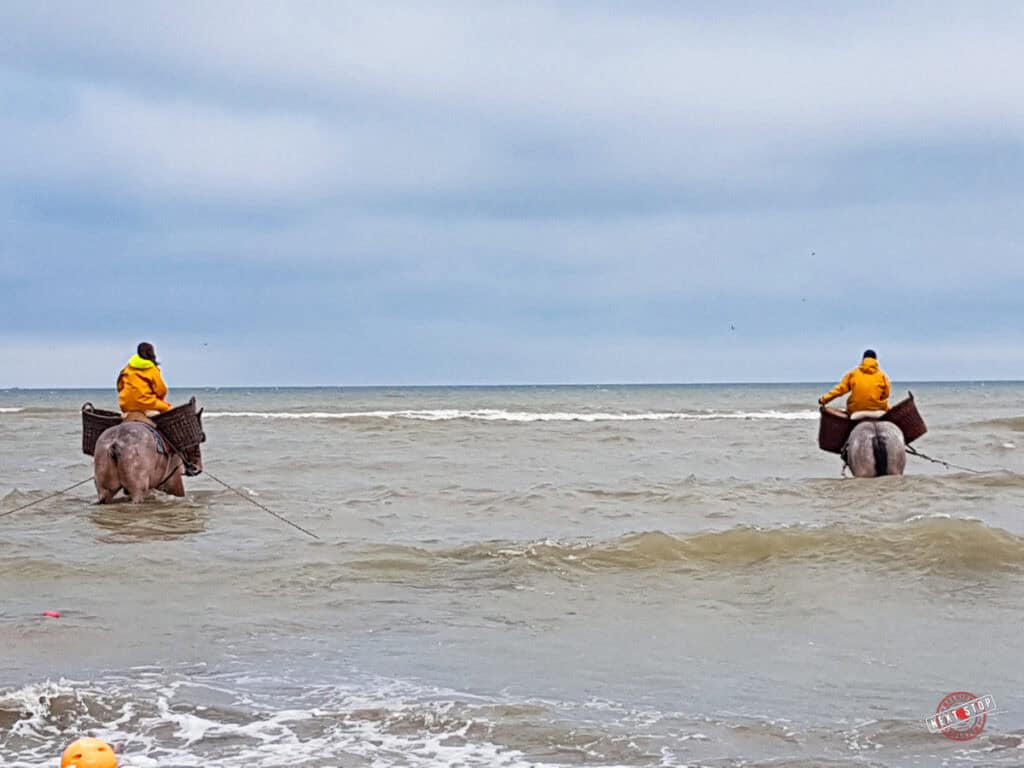
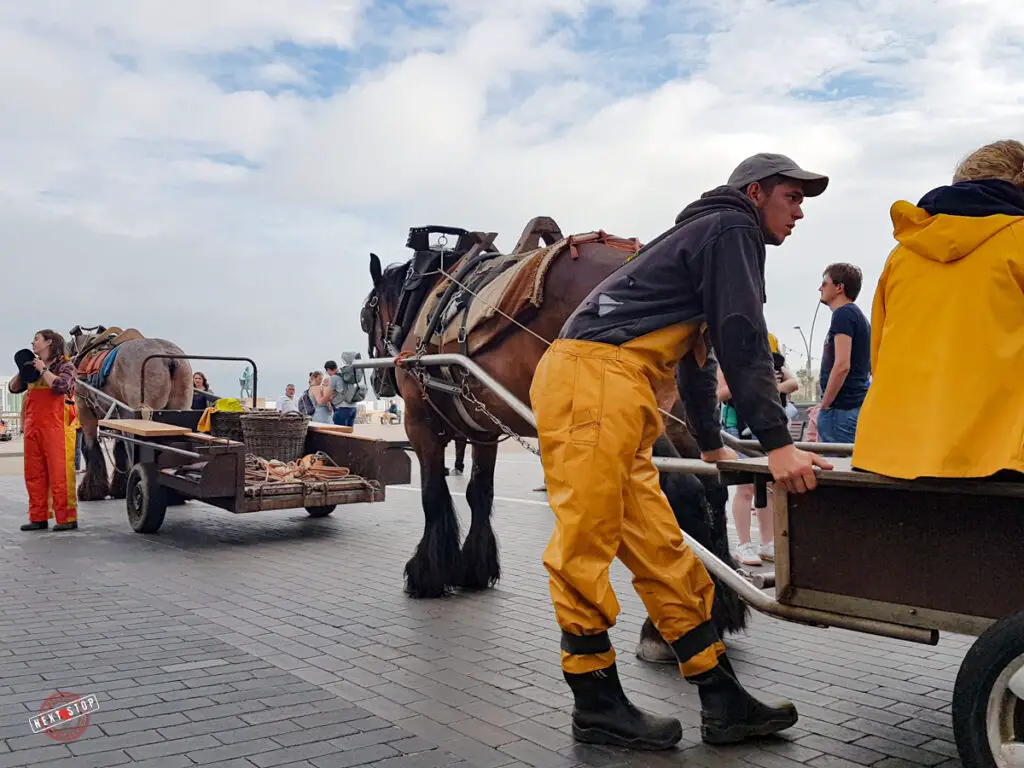
Oostduinkerke is best known for its fishermen on horseback.
Fishermen- and women catch grey North Sea shrimps by taking their strong horses out into the water. They pull a wooden beam that drags a net behind it. The vibrations of the beam make the shrimp jump up straight into the net!
While this way of fishing used to be common along the entire Belgian coast, nowadays the fishermen in Oostduinkerke/Koksijde are the only ones still practising this method.
It is the only location in the world where this form of fishing is employed, which is why it was designated Intangible Cultural Heritage by UNESCO.
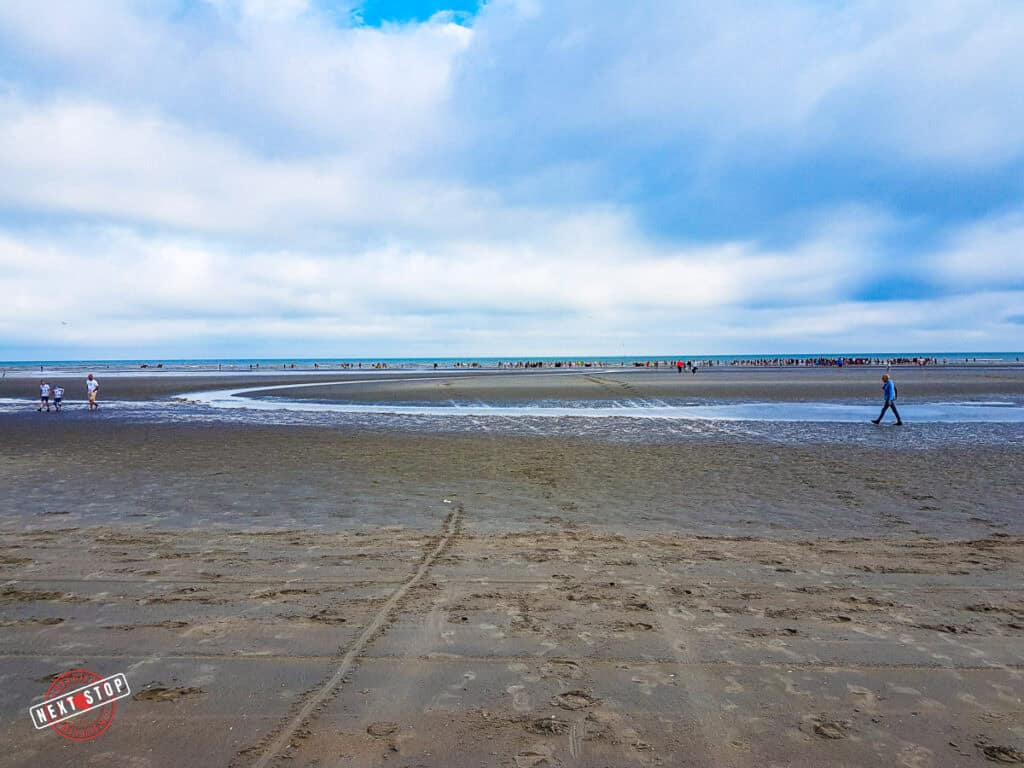
The best time to see the fishermen is during low tide when they go out to sea to fish. You can see a demonstration of their work a couple of times a month from April to October.
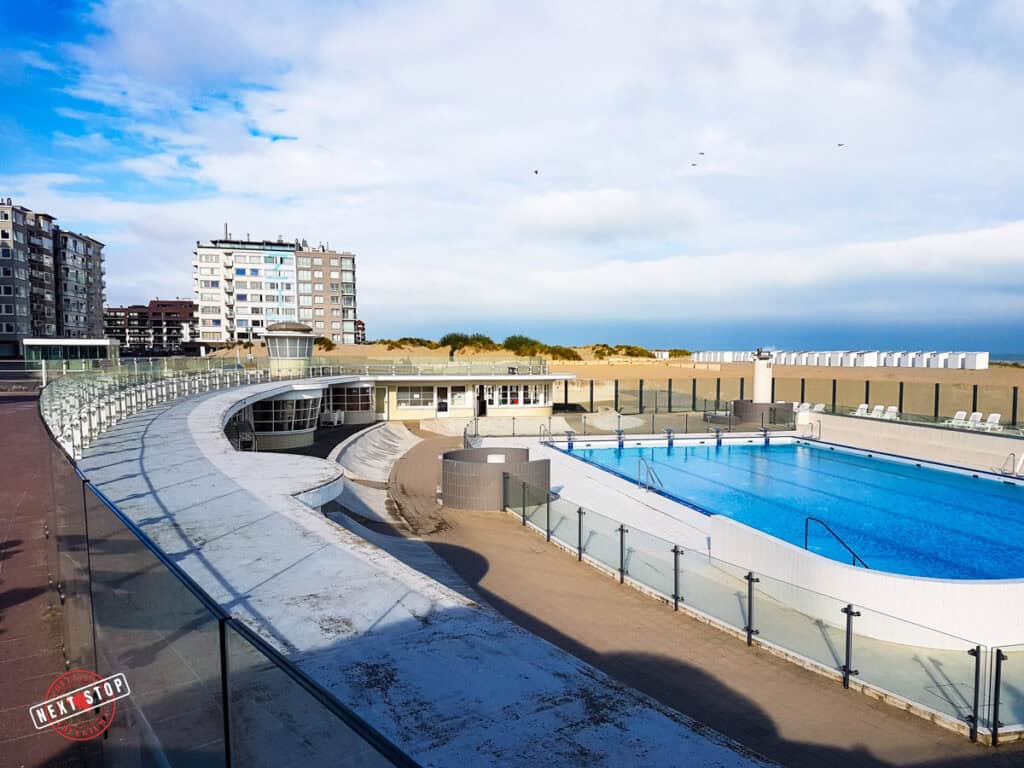
But there’s more to see and do in Oostduinkerke.
Stay in the fishing theme with a visit to the NAVIGO, the national fishing museum. And nature lovers will enjoy the dune nature reserve Ter Yde, which is located just outside of town. The best time to visit is between April and September when the flowers are in bloom.

5. Nieuwpoort
Nieuwpoort is divided into 2 parts: Nieuwpoort-bad (at the sea) and Nieuwpoort-stad (inland).
If you’re looking for a beautiful beach to relax on, Nieuwpoort Beach Belgium is definitely worth a visit. With its long promenade and wide, sandy beach, it’s the perfect place to soak up the sun.
But if you want something else than fun on the beach, there are plenty of other things to do in Nieuwpoort too.
One of the main attractions is the marina, which is one of the largest ones in Europe!
There is also an abundance of art to be found in Nieuwpoort, including the famous ‘Le Vent Souffle Où Il Veut’ by Daniel Buren. The 100 flagpoles with colourful flags resemble a forest and are a must-see for any visitor.
Other artworks to check out are ‘Searching for Utopia’ by Jan Fabre and a monument depicting Dixie Dansercoer, a Belgian explorer who became famous thanks to his many expeditions to the North and South Pole. Unfortunately, he passed away in June 2021 during a mission in Greenland.

But Nieuwpoort is one of the best places along the coast to learn about Belgium’s role in World War I. The ‘Ganzepoot’ (Dutch for goose foot) is the name of Nieuwpoort’s lock complex. It played a crucial role during World War I when the entire plain behind the river was flooded.
In 2014, a new visitor centre was constructed to allow visitors to learn more about the complex’s and floods’ role during World War I. On top of the centre, you can find the impressive King Albert I monument
Finally, no trip to Nieuwpoort would be complete without stopping at the Nature Reserve De IJzermonding.
6. Westende
Westende is a small beach town situated between Nieuwpoort and Middelkerke and is split between Westende-Bad (Beach) and Westende-Stad (Village).
In addition to its beach, Westende offers only a couple of other attractions, although with the tram you can get to other sights in no time.
In town, you can find Villa Les Zephyrs, a historic mansion that was once home to a wealthy family. Mini golf is another popular activity in Westende.
The promenade between Westende and Middelkerke features statues of Belgian comic book characters, with a new statue added each year.
Between Westende and Middelkerke you can find a few permanent artworks of the Beaufort art route like ‘the caterpillar + flatbed trailer‘ by Wim Delvoye, the megaphones of Ivars Drulle called ‘I Can hear it‘, ‘Metamorphosis‘ by Oliver Laric, and ‘Olnetop‘ by Nick Ervink.

7. Middelkerke
Middelkerke is a popular destination for both Belgians and tourists, thanks to its wide, sandy beaches and lively promenade.
The Grand Casino was a popular attraction in Middelkerke. We say was because the original location was shut down. They are rebuilding it and expect it to be finished by 2023 and will offer a variety of games, including poker, blackjack, and roulette. (It’s January 2024 when I’m updating this post and there’s no opening date scheduled yet).

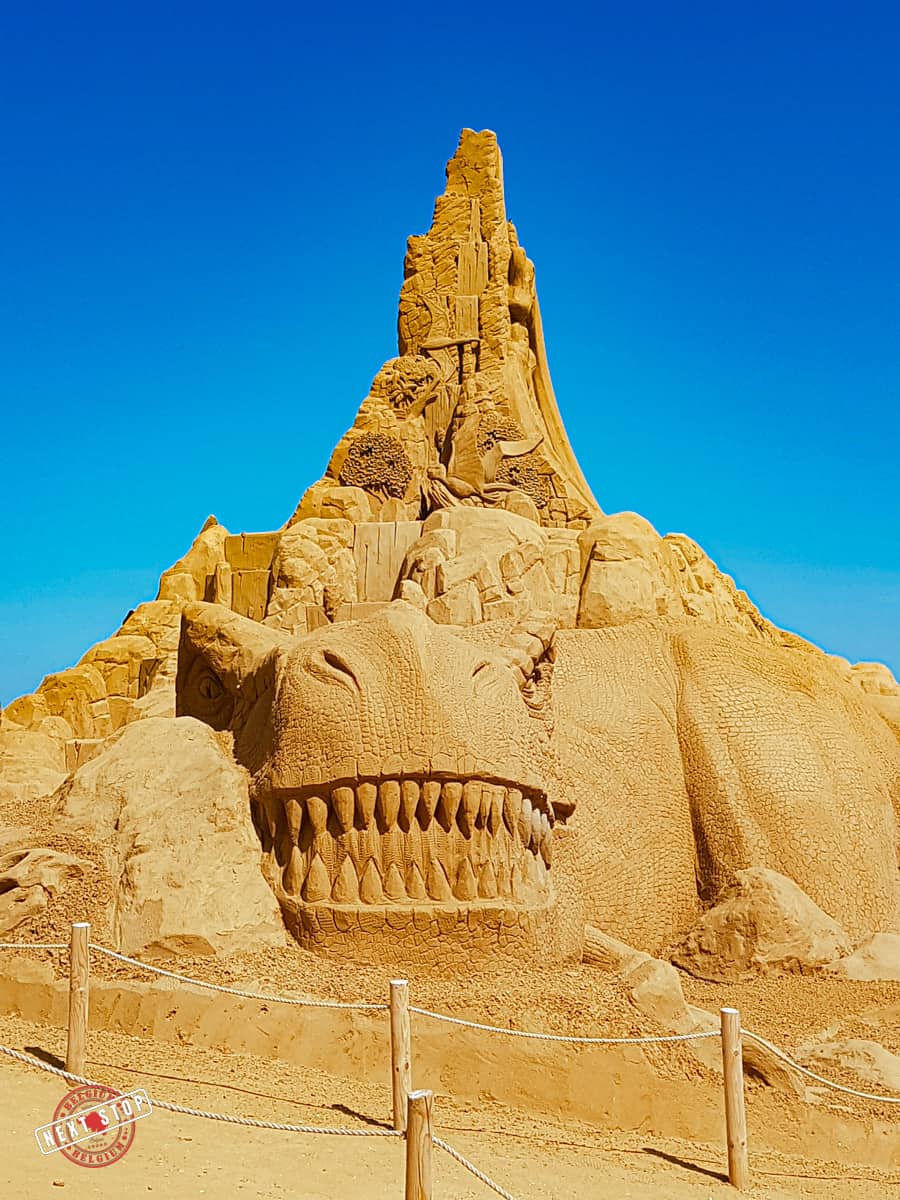
You shouldn’t miss the Sand Sculpture Festival held yearly during the summer. There’s a different theme each year. When we visited, the theme was dinosaurs, but I’m pretty sure you guessed that by looking at the picture.
Fort Napoleon is another popular attraction in Middelkerke. The fort was built by Napoleon in 1811 and today serves as a museum. The fort offers views of the surrounding area and is a great place to learn more about the Napoleonic Wars.
Middelkerke is also home to the Museum of the Sea, the Northsea Flight Simulator, a ski park (it’s open all year, if you’re craving winter sports during your beach holiday) and the Warandetoren offering a stunning view of the sea, dunes, and polders.
8. Raversijde
Raversijde is a small beach town that is mostly known for its WW II history. If you’re looking for a quiet place with little tourists, this is where you want to go. Keep in mind that that also means you won’t find many facilities, shops or restaurants.
You can soak up the region’s history with a visit to Atlantikwall Museum. This museum is located in a former German bunker and it tells the story of the Atlantikwall, a series of fortifications that were built along the coast of Europe during World War II. Sign up for their guided tours here.
Domain Raversijde won the European Heritage Award in 2023. The park in Raversijde’s Provincial Domain is ideal for a stroll, a picnic, or even trekking. If you are on a trip with kids, check out the new play forest called Testerep, located close to the watchtower of Atlantikwall.
9. Mariakerke
If you are not a fan of big crowds and are looking for space and tranquillity, then Mariakerke Bad is definitely a good option.
The beach is wide and therefore doesn’t give you a cramped-up feeling even in the high season.
You may enjoy the peace and quiet of a holiday in Mariakerke even though you’re next to the big city of Oostende. So you still have all the amenities close by.

10. Oostende
Ostend is the largest and most popular beach resort in Belgium.
Ostend is known for its wide, sandy beaches, lively promenade, and historic pier. Its harbour is the second largest in the country and there are a ton of things to do in the city and its surroundings.

The Museum of the Sea (Mu.ZEE) is one of the most famous museums and ironically doesn’t have anything to do with the sea. Instead, it offers a collection of contemporary art all selected for their connection to Belgium and the Belgian art scene.
The James Ensor Museum is another excellent choice and is dedicated to the work of the Belgian artist who was born and lived in the city his entire life.
Other great things to do in Ostend include a visit to the space science centre Astropolis or the museum sailing boat Mercator.
11. Bredene
Bredene is a small town on the Belgian coast. This is not your regular Belgian beach town. There’s no boulevard with cafes and restaurants and there aren’t that many things to do except hitting the beach.
However, thanks to its central location on the Belgia North Sea coast, you can easily explore the neighbouring towns and villages. Just hop on the coastal tram and head to more bustling places like Ostend, De Panne, or Knokke.
In Bredene you also have a nudist beach, you can get there by going to the beach bar ‘hippo beach’ and then walking 300 m to your right. Not every city is keen to advertise that they have a nudist beach, but Bredene makes no secret of it.
They also have a great water sports club.

12. De Haan
The history of De Haan (also known as Le Coq) goes back to the 1930s when a small seaside village started to develop.
The town of De Haan became more and more popular, and luckily the council decided that De Haan was supposed to keep its authenticity instead of building big apartment blocks.
So it will kind of feel like time stood still, and you will see a clear difference with other coastal cities thanks to the many Belle Epoque villas in town.

The De Haan Belgium beach doesn’t have many iconic landmarks, but they have the longest beach on the Belgian coast (12km long).
If you want to escape the beach for a day check out the Dune Woodlands, which is a natural park of over 152 hectares of coastal nature.
De Haan is also proud that in 1933 Albert Einstein lived in town for six months. You can see the house where he lived and check out the statue of him sitting on a bench.
If you see a white little cabin with a red roof? You’re not hallucinating! This place is called the ‘Spioenkop‘. Located on the second highest dune on the Belgian Coast, at a height of 31m you are bound to have amazing views of the dunes and beach.

13. Wenduine
The small town of Wenduine is a great place to relax and enjoy the beautiful Belgian coastline if you don’t mind doing a couple of day trips because there’s not much to do other than hitting the beach.
One of the highlights of Wenduine is the Rotond, a unique circular sculpture that sits right on the beach. It’s a popular spot for photographers and offers stunning views of the sea and sky.
There are also plenty of restaurants and cafes in Wenduine, as well as a lively nightlife scene.

14. Blankenberge
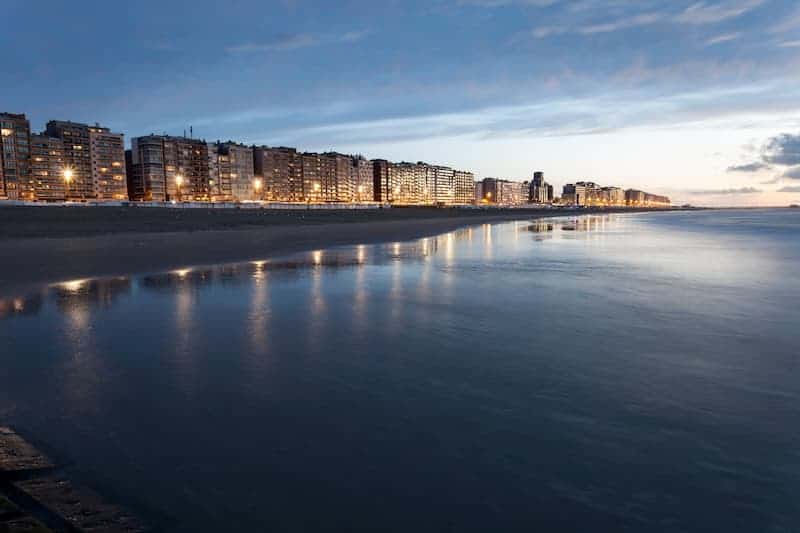
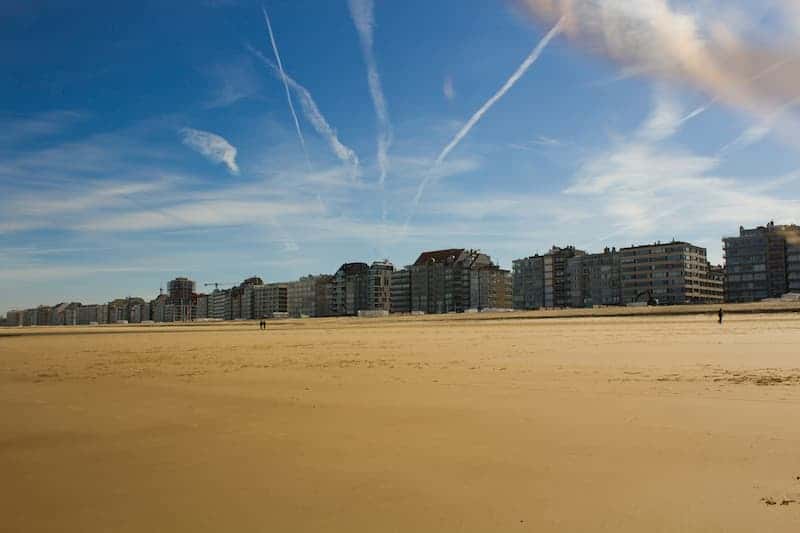
Blankenberge is a cosy part of the coast that is seen as the family seaside resort of the Belgian coast.
A good way to start discovering the city is with a walk on the imposing pier, the symbol of Blankenberge, where you can go 350m into the sea.
The old fishing harbour has been transformed into a modern marina. Thanks to its central location near the beach and dunes, this marina is one-of-a-kind on the Belgian coast.
If you’ve ever been to Blankenberge, then you know about the ‘Lustige Velodroom‘. The wooden velodrome near the pier has been around since 1933 and is a popular tourist destination. You can tour the wooden velodrome on a funny bike for a unique experience.
Sea Life Centre is one of the major attractions on the coast. Located on the seafront, the centre is home to a variety of marine life, including sharks, turtles, and stingrays. You can also learn about the local environment and the importance of conservation. You can get the tickets for Sea Life Centre here.

15. Zeebrugge
Zeebrugge is an international port, a family beach resort, and the self-proclaimed ‘capital of fish’. It’s also connected with the historical city of Bruges by the Baudouin Canal, so it’s a great spot if you’re looking for a day trip to the beach from Bruges.
Although there is no longer a ferry to and from the UK, it is a cruise port, so you’ll get to see the big cruise ships from the beach.
Zeebrugge has a promenade that’s easily walkable, and a train stop right next to the beach.
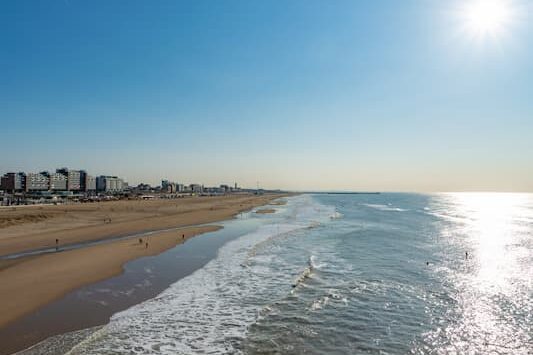

In addition, it is the only Bruges beach town with free parking spots.
Zeebrugge not only has a beautiful port, but also offers lovely tourist attractions like the Seafront Maritime Theme Park, cruise around a port in action in the Zephira passenger boat, and walks through the nature reserve De Fonteintjes.
16. Duinbergen
Duinbergen is a neighbourhood in the municipality of Knokke-Heist in West Flanders.
In contrast to Knokke, Duinbergen is defined by an abundance of villas but few shops.
The beach town doesn’t have any major landmarks, except for a nice park and a few wave breakers where you can walk into the sea and catch some crabs if the sea is at its low tide.
This is where my wife Kath came with her family during her youth (and yes, she and her brother went crab fishing all the time). We’ve been there together as well and it’s one of those hidden gems on the Belgian coast. It’s peaceful and quiet but close to the action of Knokke.
17. Knokke-Heist
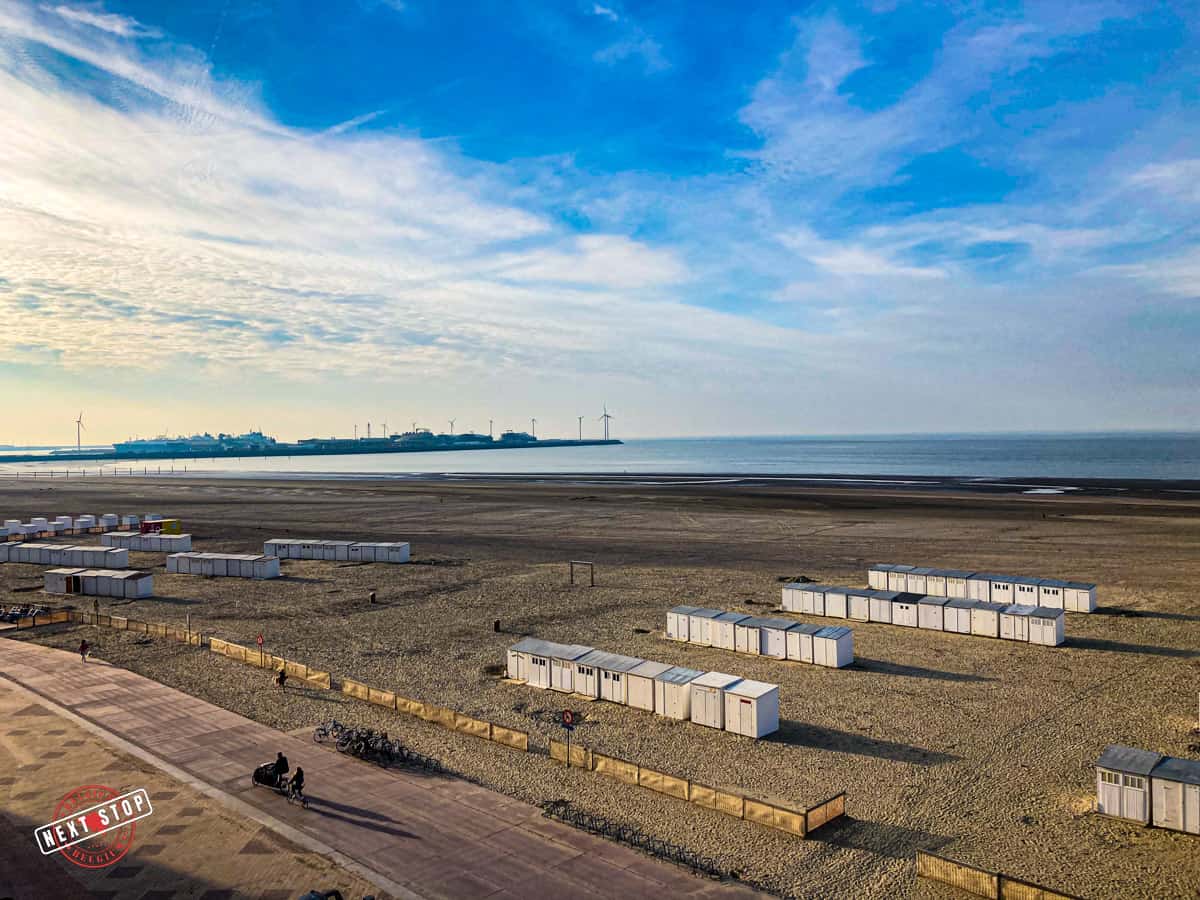
Knokke-Heist is a popular beach town on the Belgian coast, often named the Saint-Tropez of Belgium. This is where the rich & famous vacation.
While most of Belgium’s coastline is made up of dunes, Knokke-Heist’s beaches are different. Here, you’ll find wide, sandy beaches without dunes.
Knokke and Heist-aan-zee are actually two different beaches with the latter being the calmer of the two (and the one you can see on the photos).
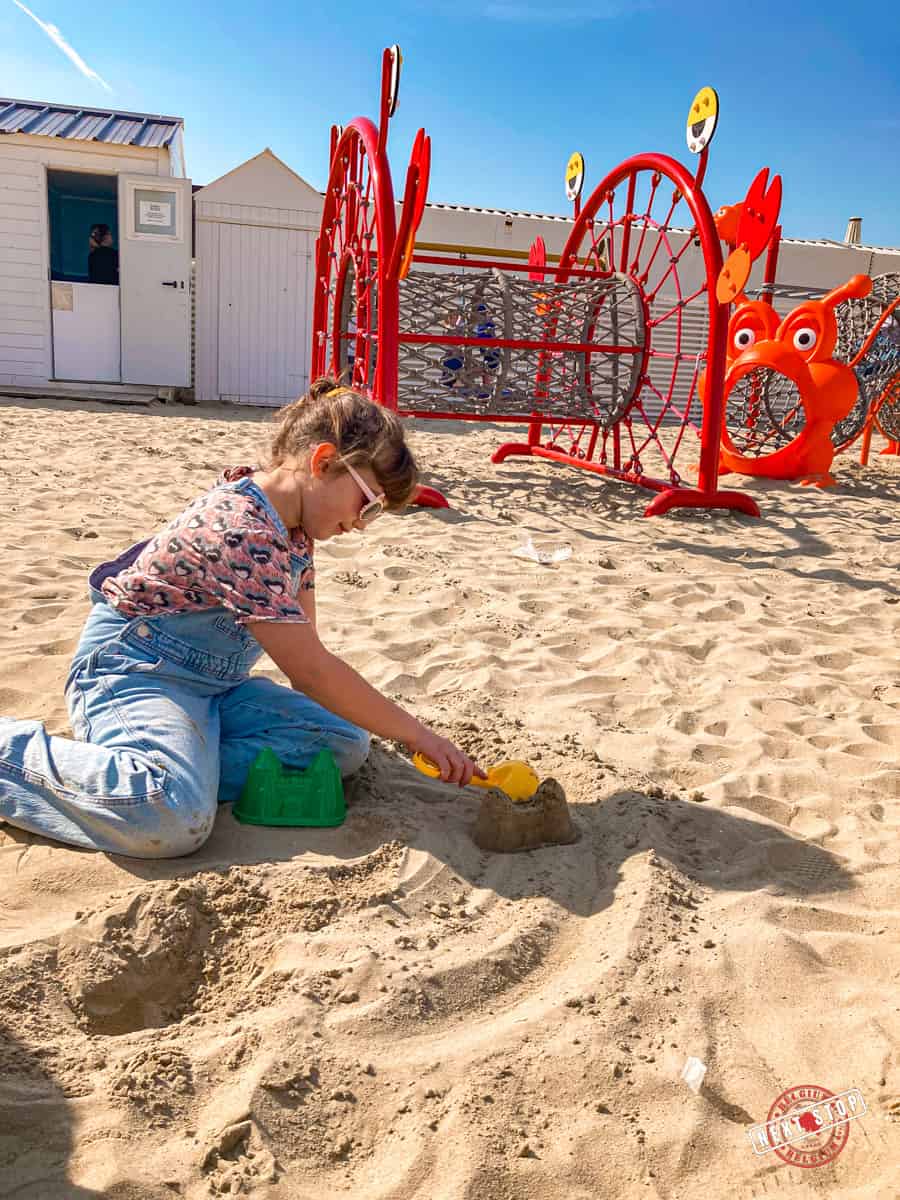
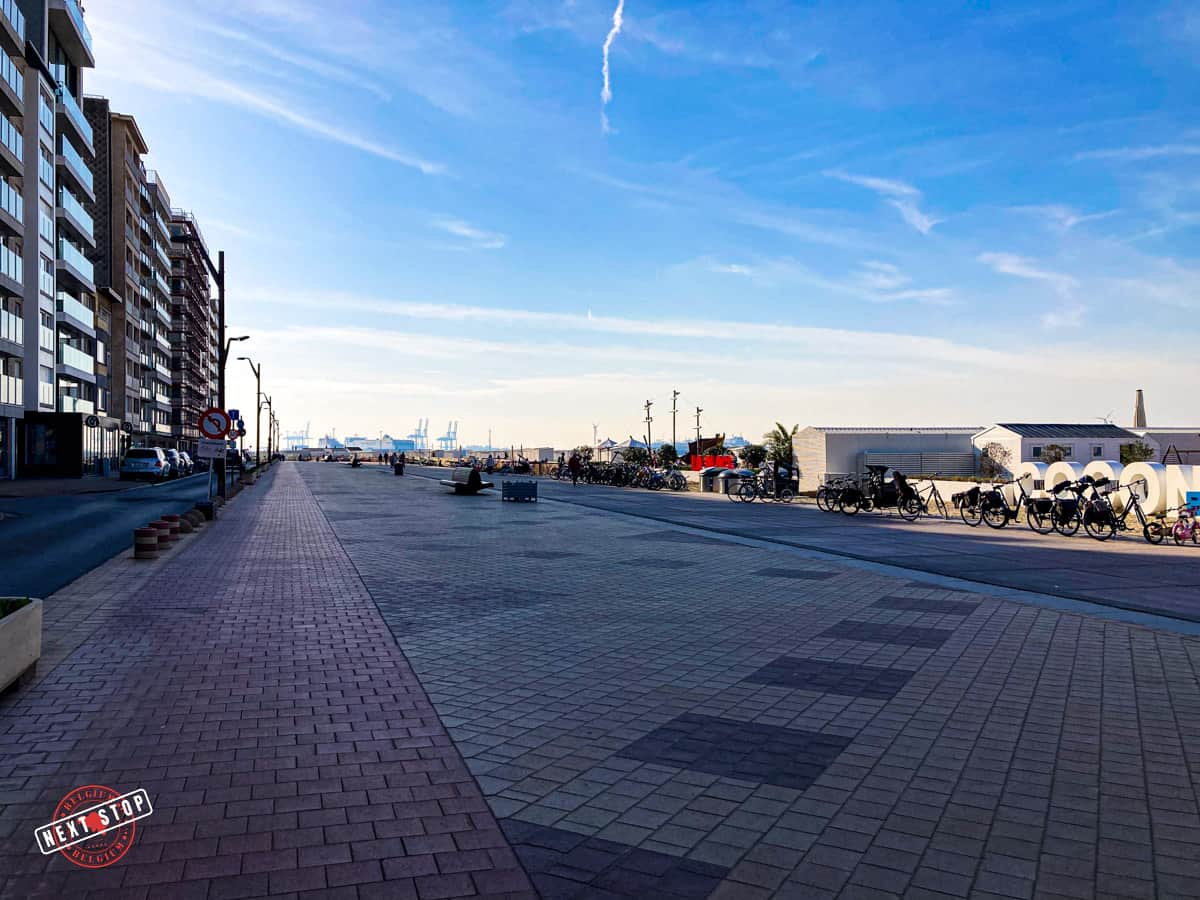
The town’s main attractions include the Zwin nature reserve, the casino, the For Freedom Museum, and the many shops and restaurants.
Map of the Belgian Coast

Tips for visiting the Belgian Coast
Here are some tips for making the most of your visit to the Belgian coast:
- The promenade is where all the action is: There are always plenty of things going on, from concerts and festivals to sports tournaments and markets. Be sure to check out the town’s website to see what’s happening while you’re there.
- Only go swimming when the lifeguards are present: The North Sea in Belgium might not look all that impressive, but it can be pretty dangerous, and people drown every year. During the summer months, the Belgian coast operates with lifeguards and a flag system. This system uses red, yellow, and green flags to indicate the level of danger at each beach. Make sure to only go into the water when there is a green flag – this means that the conditions are safe for swimming. A yellow flag is ok too, this just means ‘no floaties or other toys in the water’.
- Try the seafood while you’re in Belgium: It’s some of the best in the world. Whether you’re in Knokke-Heist, Zeebrugge, or any other town on the coast, you’re sure to find some great seafood restaurants. Traditional Belgian dishes to try are Moules-Frites, sol filets, and shrimp croquettes.
- Wifi: The majority of the Belgian coastal towns offer free wifi on the beach and in public places.
- Beaufort Art: There are plenty of temporary and permanent artworks to be seen all along the Belgian Coastline.
- Hiking: Did you know that it’s possible to walk from the French border to the Dutch border? Just keep on walking on the beach! But if you’d like to see the most beautiful hiking paths of the region, I can recommend the Coastal Path, a 103 km long walk from De Panne to Het Zwin.
How to reach the Belgian Coast
You can reach the coast easily by public transport, with direct train connections from major cities like Bruges, Ghent, Antwerp, and Brussels. You can book your train tickets here.
From Ostend, the main hub, you can take the coastal tram to any of the other seaside towns. Some other seaside towns like De Panne, Blankenberge and Knokke also have train stations.
the coastal tram
The best way to get around the Belgian coast is by tram.
The tram runs the entire length of the coast (fun fact: it’s the longest tram line in the world!), from De Panne to Knokke, and it’s easy to get to any of the towns along the way.
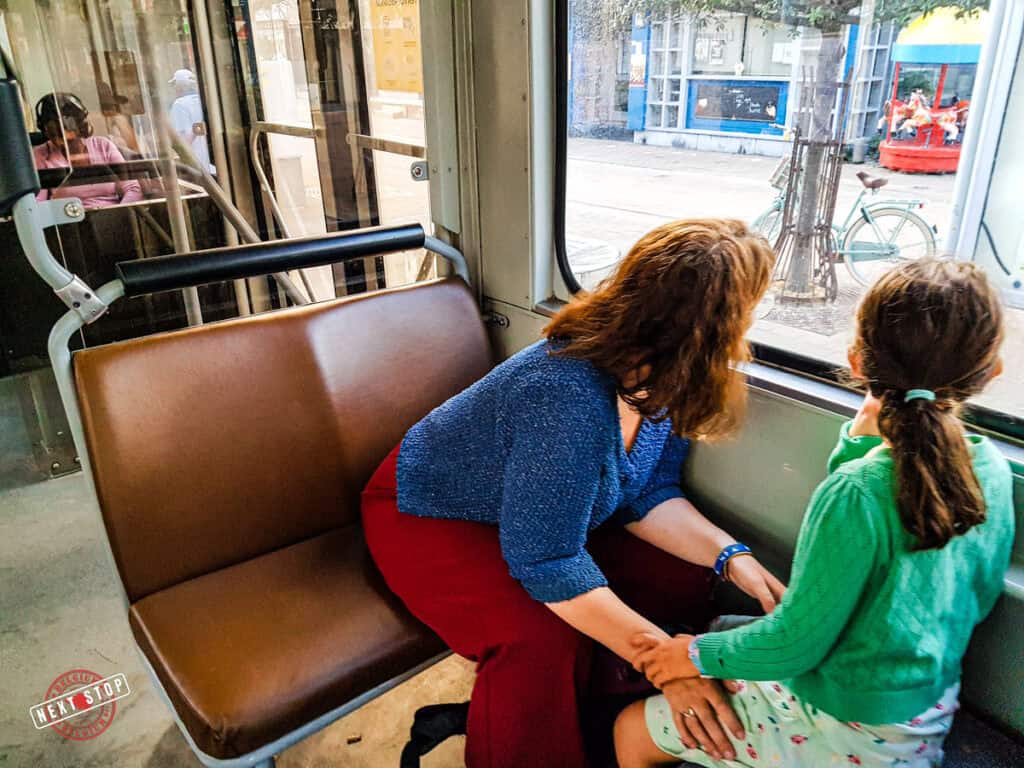
The tram runs every 10 minutes (during the day at least), and it’s a great way to see all there is to see on Belgium’s coastline. The entire trip from De Panne to Knokke or vice versa takes a little over 2 hours.
You don’t need to book tickets in advance. Buy a single ticket or a day ticket in the app or on the tram (pay wireless with your debit/credit card or smartphone).
What is the best time to visit the Belgian beaches?
The best time to visit the Belgian beaches is definitely in summer when the weather is warm and sunny.
- There are also plenty of activities: pop-up radio stations, beach sports tournaments, and outdoor concerts.
- From June to August, the beaches are ‘open’ from 10 am until 8 pm. This means that there are lifeguards on duty, the water is clean and there are showers and toilets available.
- It’s high season, so the restaurants, beach bars, and ice cream stands are running at full speed
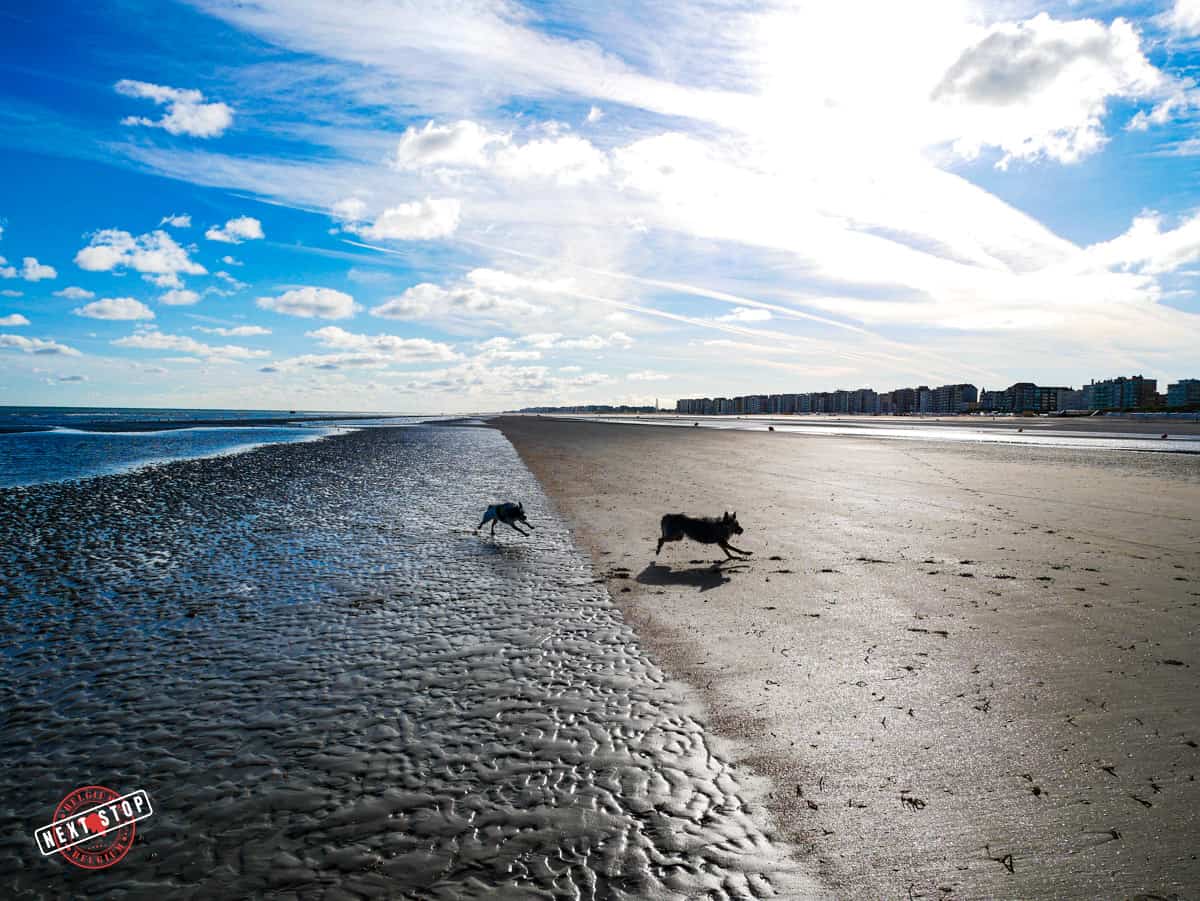
However, the best Belgian beaches are great to visit in the shoulder or off-season too. You won’t be able to swim, but walking on the beach and/or promenade, the kids playing or the dogs running, there’s always plenty of fun.
Going on a day trip to the beach
Assuming you’re looking for a beach day trip from Brussels, the two most popular options are Ostend and Blankenberge.
Ostend is the larger of the two cities and has a longer coastline. It’s about 1h20 away by direct train from Brussels. Keep in mind that trains might get full in summer or during holiday weekends when great weather is predicted.
frequently asked questions about the Belgian Coast
Wrapping up the Best Beaches in Belgium
So, there we have it. I hope that you now have a better idea of what the Belgian beaches look like and what you can expect if you decide to visit one (or more!).
From my personal favourite De Panne, to buzzing Ostend and chillax Bredene, each beach along Belgium’s 67-kilometer coastline has its unique charm and offerings.
Don’t forget the historical richness of places like Nieuwpoort, and the unique cultural experiences in towns like Oostduinkerke with its UNESCO-recognized shrimp fishing on horseback. And if you’re in for a touch of luxury, Knokke-Heist is the perfect spot.
With this guide, you’re all set to explore the diverse and delightful beaches of Belgium.
Which one is your favourite? Let me know in the comments!
BELGIUM TRAVEL PLANNING RESOURCES
Getting to Belgium: Fly into one of the main international airports: Brussels Airport (BRU) or Charleroi Brussels South Airport (CRL). Take an international train to Brussels South Station. Or take a ferry to Dover or The Netherlands, then drive or take the train to Belgium.
Getting Around: For the major destinations, the train is by far the best option. You can book your train tickets here. If you’d like to visit smaller places, the most convenient way would be to rent a car. We always use Discover cars, they compare all the rental companies and give you the best rates.
Accommodation: Booking.com is the most popular accommodation platform in Belgium. It’s what I use every single time.
Guided tours: Use Get Your Guide or Viator to find fun tours in Brussels, Bruges, Ghent and Antwerp. Or Guruwalk to find free walking tours in multiple destinations.
If this helped you plan your adventure, a coffee would go a long way in fueling my next guide! 😉
