Bruges vs Antwerp: Which city should you visit if you can only pick one?
This article may contain affiliate links. This means we receive a small commission whenever you book or purchase something through our links (at no extra cost to you!). You can find more information in our disclaimer.
Belgium is small, but two of its most visited cities couldn’t feel more different.
Bruges is all medieval canals and cobblestone streets. It looks almost too pretty to be real, and gets absolutely packed with tourists. Antwerp is bigger and grittier: fashion, art, a serious food scene, and one of Europe’s busiest ports all in one city.
If you only have time for one, it’s not an easy call. It really comes down to what kind of trip you’re after.
In this guide I compare both cities across atmosphere, things to do, food, and local culture, so you can figure out which one suits you better.
And if you’re still undecided after reading: the two cities are about an hour apart by train, so seeing both is very doable.

Atmosphere And Culture
Bruges: A City Frozen in Time
Bruges feels like a living museum. With its cobblestone streets, Gothic architecture, and canals winding through the city, it’s no wonder this UNESCO World Heritage Site attracts travelers from around the world.
But beyond the postcard-perfect views, Bruges also offers a rich cultural experience shaped by its medieval past.
The city’s atmosphere is quiet and laid-back, perfect for travelers who prefer a slower pace.
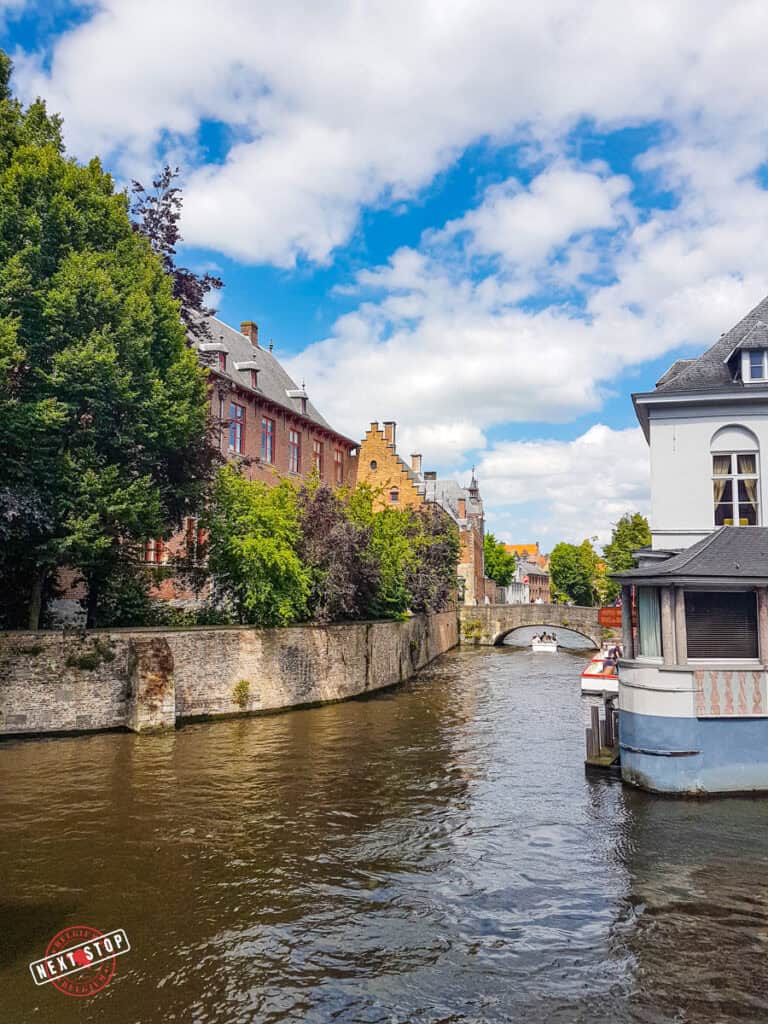
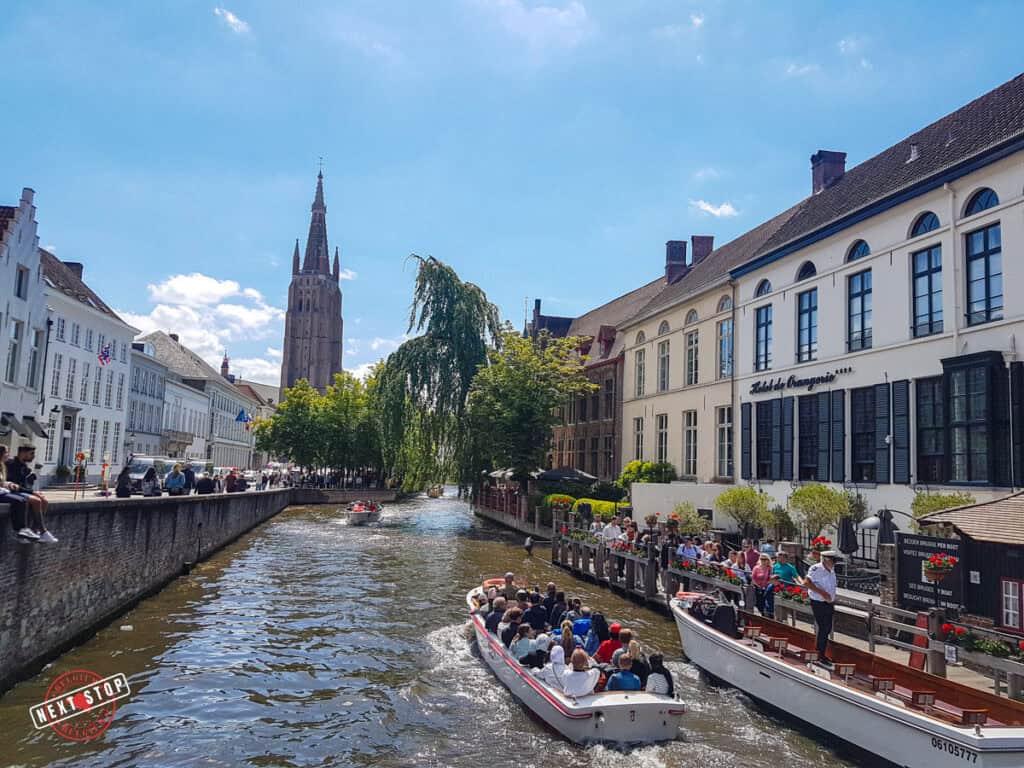
Stroll along canals lined with centuries-old buildings, visit hidden courtyards, and watch the sun set over Markt Square.
There’s a sense of timelessness here, as if the modern world has paused just outside the city walls.
Despite its popularity and tourist crowds, Bruges manages to maintain an authentic charm, especially if you explore beyond the main tourist areas.
The locals take pride in preserving their city’s history, from the carefully restored medieval buildings to traditions like lace-making and chocolate-making that have been passed down for generations.
Cultural Highlights:
- Annual festivals like the Procession of the Holy Blood, dating back to the 13th century.
- Artisan workshops where you can watch craftsmen create lace and handmade chocolates.
- A strong emphasis on preserving local traditions, from brewing beer to making Flemish stew.
The Vibe:
Romantic, historic, and intimate. Best for travelers who appreciate quiet streets, picturesque views, and a slower pace.
Antwerp: Belgium’s Creative Capital
Antwerp is a city that constantly reinvents itself. Known as the fashion capital of Belgium, it has a vibrant and forward-thinking energy that contrasts with Bruges’ timeless charm.
But don’t be fooled, Antwerp’s creative spirit is built on a foundation of history, from its medieval streets to its Renaissance art scene.
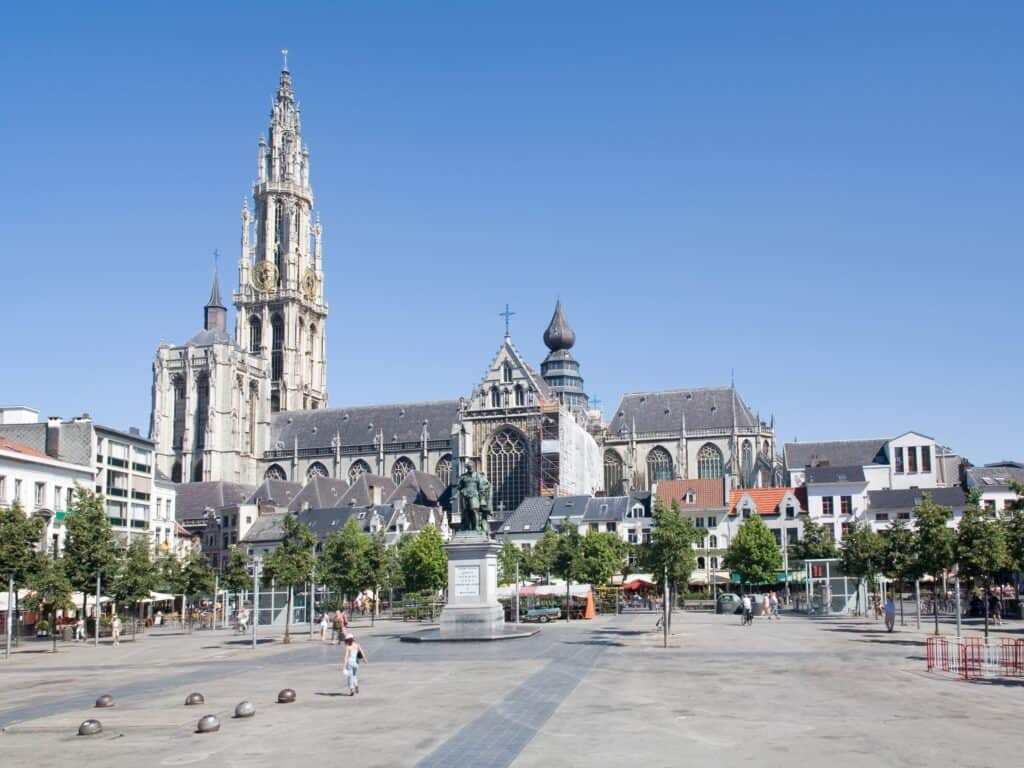
The city’s culture is a mix of old and new. Walk through the historic center and you’ll see Gothic cathedrals and 16th-century guild houses. Head to the Zuid district, and you’ll find contemporary art galleries and stylish cafes.
Antwerp’s port—the second largest port in Europe—has shaped the city’s identity, attracting people and ideas from around the world.
This diversity is reflected in the city’s food, art, and fashion scenes, making it a dynamic place to explore.
Cultural Highlights:
- Antwerp’s status as a fashion hub, with designers like the Antwerp Six putting the city on the global stage.
- A thriving contemporary art scene, with galleries like MUHKA showcasing cutting-edge works.
- International influences in food, music, and festivals, thanks to the city’s diverse population.
The Vibe:
Trendy, cosmopolitan, and fast-paced. Best for travelers who love fashion, art, and vibrant city life.
How They Compare:
Bruges is ideal for those who want to experience Belgium’s medieval past, with a focus on history, tradition, and scenic beauty.
Antwerp appeals to travelers seeking a more modern, energetic atmosphere, with a mix of art, fashion, and nightlife.
Must-See Attractions And Hidden Gems
Bruges: Iconic Sights and Secret Spots
Bruges may be small, but it’s packed with must-see landmarks and hidden corners waiting to be discovered.
Iconic Sights:
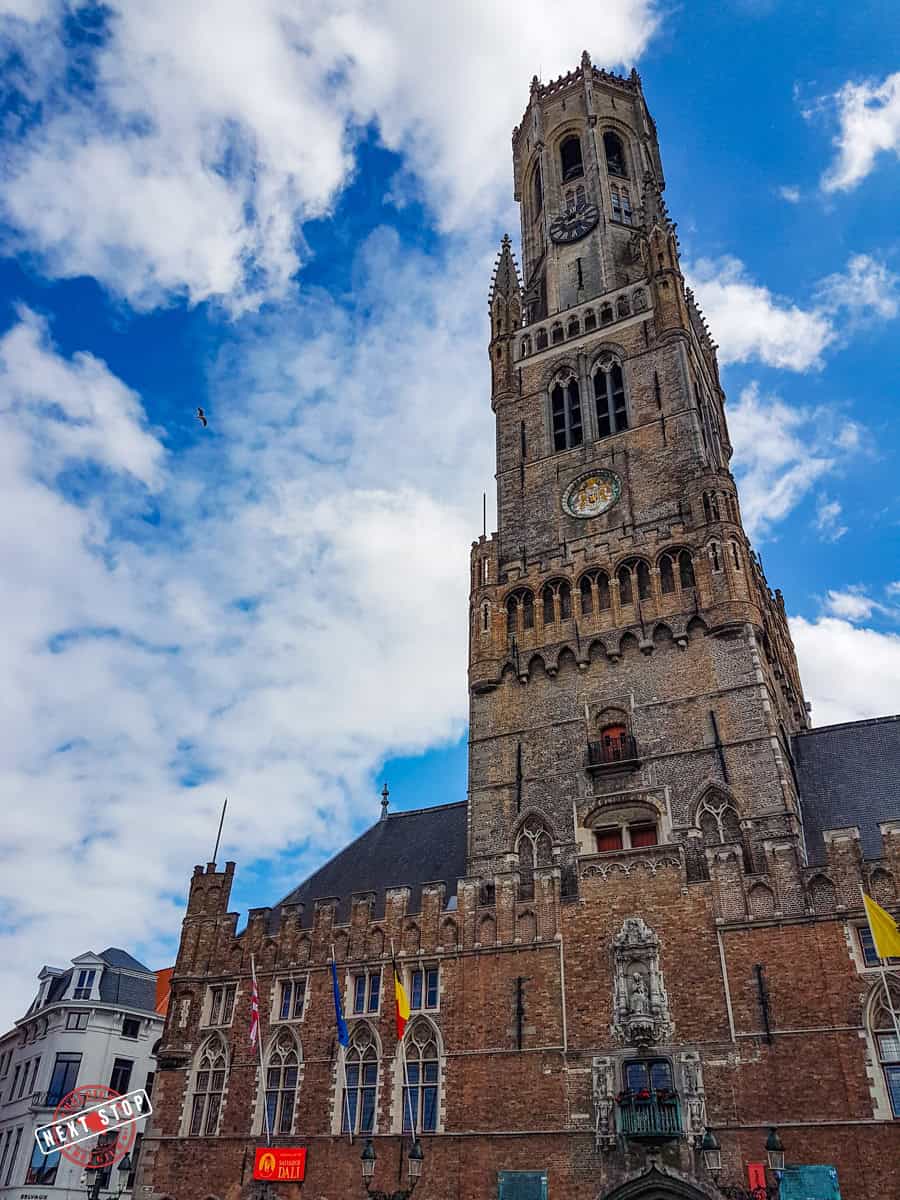
- Markt Square: The heart of Bruges, surrounded by colorful medieval buildings. Right next to it is the the Belfry with medieval bells that still ring out across the city.
- Basilica of the Holy Blood: This Gothic church houses a vial of Christ’s blood, attracting pilgrims from around the world.
- Burg Square: A beautiful square lined with historic buildings, including the City Hall and the Basilica of the Holy Blood.
- Canal Boat Tour: Explore Bruges from the water, passing under stone bridges and alongside centuries-old buildings.
- Groeningemuseum: Home to masterpieces by Flemish painters like Jan van Eyck and Hans Memling.

Hidden Gems:
- Begijnhof: A peaceful courtyard surrounded by whitewashed houses, once home to a community of beguines.
- St. Anna’s Quarter: A quiet neighborhood with narrow streets, hidden chapels, and fewer tourists.
- Jerusalem Chapel: Built by a wealthy merchant family in the 15th century, this small church is known for its striking Gothic architecture.
Unique Experience:
Take an early morning walk along the canals before the city wakes up. The streets are empty, the air is crisp, and the soft light reflecting off the water is magical.


Antwerp: Historical Landmarks and Modern Marvels
Antwerp’s attractions are more spread out than Bruges’, but the city’s efficient public transport system makes it easy to explore.
Iconic Sights:
- Cathedral of Our Lady: This Gothic masterpiece houses works by Peter Paul Rubens and offers stunning views of the city.
- MAS (Museum aan de Stroom): A striking modern museum building that explores Antwerp’s history, with a rooftop terrace offering panoramic views.
- Antwerp Central Station: More than just a train station, this architectural gem is a must-see.
- Rubenshuis: The former home and studio of Peter Paul Rubens, showcasing his life and work.
- Het Steen: Antwerp’s oldest building, now a visitor center with rooftop views of the river.
Hidden Gems:
- St. Paul’s Church: A beautiful Baroque church tucked away in a quiet square, with an impressive collection of paintings and sculptures.
- The Beguinage of Antwerp: A peaceful, hidden courtyard surrounded by historic houses.
- Cogels-Osylei: A street in the Zurenborg district known for its stunning Art Nouveau architecture.
- Red Star Line Museum: Tells the story of European emigrants who sailed from Antwerp to America in the late 19th and early 20th centuries.
Unique Experience:
Visit The Chocolate Line, where chocolatier Dominique Persoone creates innovative flavors like saffron, wasabi, and bacon. The shop’s elegant interior, located in the former Palace of the Meir, is as impressive as the chocolates themselves.
How They Compare:
Bruges is best for travelers who enjoy walking from one landmark to another, with plenty of photo opportunities along the way.
Antwerp offers a wider variety of experiences, from Renaissance art to modern architecture, but requires more time to explore in-depth.
Culinary Experiences
Bruges: Traditional Belgian Fare in Cozy Settings
Bruges may be small, but its food scene is full of character, with a focus on traditional Flemish dishes and artisan treats.
Dining here feels intimate, with candlelit restaurants tucked into medieval buildings and family-run cafes serving recipes passed down through generations.
Must-Try Dishes:
- Flemish Stew (Stoofvlees): Tender beef slow-cooked in beer, served with fries.
- Moules-frites: Fresh mussels steamed in white wine or beer, paired with crispy fries.
- Waterzooi: A creamy stew made with chicken or fish, originating from Flanders (Ghent).
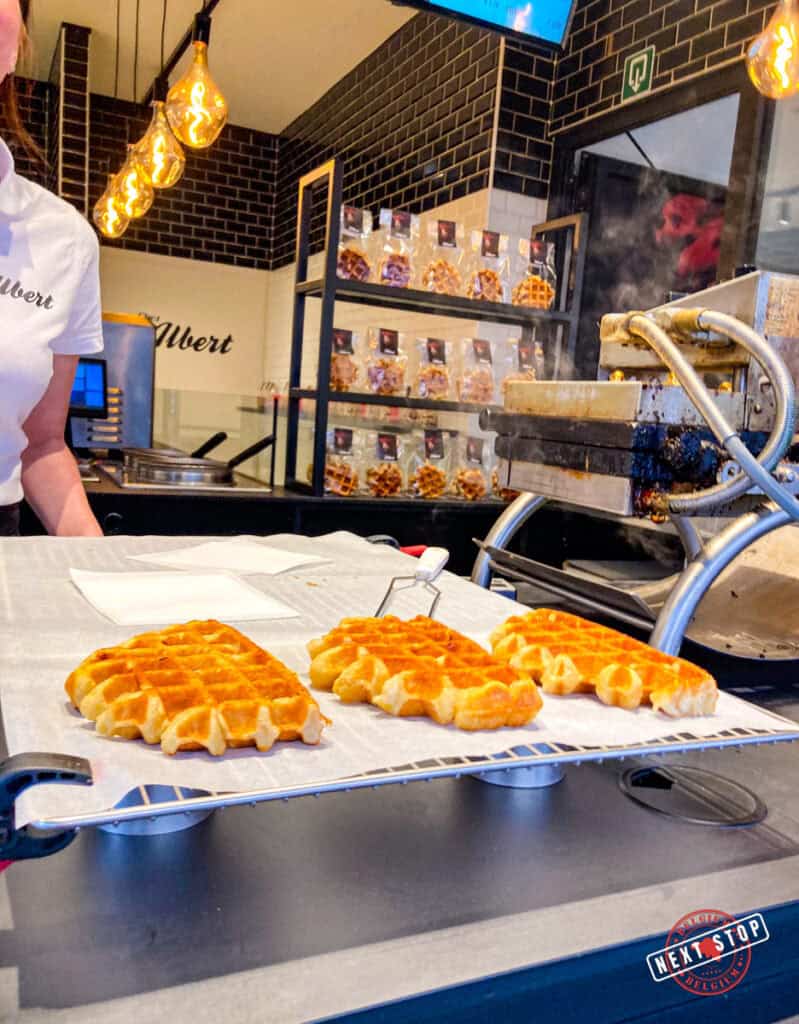
- Liège Waffles: Smaller and denser waffles with caramelized sugar, perfect for a sweet snack.
Where to Eat:
- ‘t Lammetje: a small family-run bistro specialising in lamb and classic Belgian dishes like moules-frites, exactly the kind of place you won’t find in Antwerp.
- Restaurant Chagall: traditional Flemish cuisine with a slight twist, good for showing the more classic, sit-down dining side of Bruges.
- De Republiek: a local favourite with an artsy vibe, world kitchen menu, and lots of vegetarian options, popular with locals rather than tourists.
Chocolate and Sweet Treats:
Bruges is famous for its artisanal chocolate shops, where you can watch chocolatiers at work. Don’t miss:
- Dumon Chocolatier: A family-run shop known for classic pralines.
- The Chocolate Line: Run by “shock-o-latier” Dominique Persoone, who experiments with unexpected flavors like wasabi and bacon.
- Choco-Story Museum: Learn about the history of chocolate and enjoy tastings along the way.
Unique Experience:
Visit a traditional brewery like Brouwerij De Halve Maan, where you can sample Brugse Zot beer brewed on-site. The brewery tour offers great views of the city and insights into the brewing process.
Antwerp: A Global Culinary Scene with a Belgian Twist
Antwerp’s food scene is as diverse as its population, offering everything from Michelin-starred dining to international street food.
The city’s multicultural influences mean you can enjoy Belgian classics alongside flavors from around the world.
Must-Try Dishes:
- Antwerpse Handjes: Hand-shaped cookies and chocolates symbolizing the city’s folklore.
- Moules-frites: Fresh mussels steamed with herbs and white wine.
- Grey Shrimp Croquettes: Crispy on the outside, creamy on the inside, filled with North Sea shrimp.
- Brussels Waffles: Light and crispy waffles served with powdered sugar or fresh fruit.
Where to Eat:
- Ciro’s: an old-school brasserie that’s been serving steak frites, shrimp croquettes, and vol-au-vent since 1962 — proper Antwerp tradition on a plate.
- De Arme Duivel: a no-nonsense local spot near Theaterplein serving stoofvlees, rabbit with prunes, and vol-au-vent at fair prices, exactly the kind of place locals send you to for real Belgian food.
- Elfde Gebod: a classic Belgian brasserie right next to the cathedral, known for its rich stoofvlees and long list of local beers, with a theatrical interior that’s fun without feeling like a tourist trap.
Beer and Nightlife:
Antwerp’s beer scene is lively, with both traditional breweries and trendy craft beer bars. Highlights include:
- De Koninck Brewery: Known for its Bolleke beer, brewed right in the city.
- Paters Vaatje: a classic brown café right next to the Cathedral with over 100 Belgian beers on the menu, and the kind of atmosphere that makes it hard to leave after just one drink.
- Bar Paniek: A hip riverside bar with an industrial vibe, popular with locals.
Unique Experience:
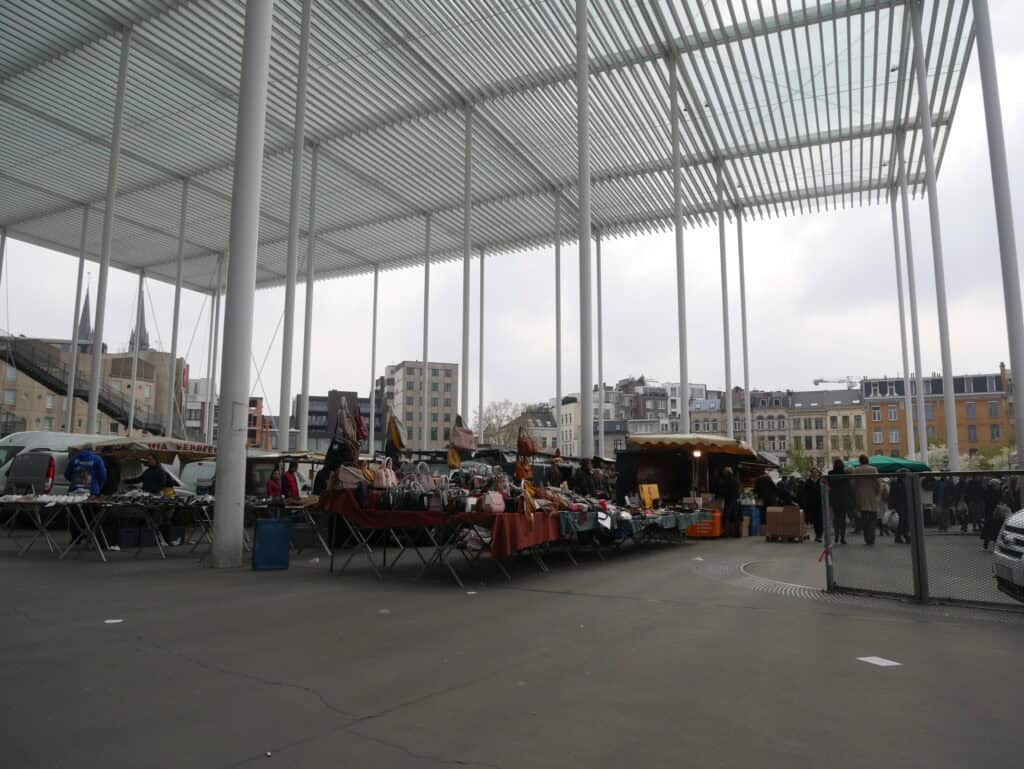
Visit the vibrant Exotic Market (Vogelenmarkt) on Saturdays to sample street food from around the world and find cool souvenirs. Make sure to visit my friend An from Kibibi with her upcycled ethnic jewellery!
How They Compare:
Bruges is perfect for traditional Flemish dishes, cozy cafes, and artisan chocolates.
Antwerp offers a more diverse food scene, with international influences, gourmet dining, and lively nightlife.
Accessibility And Getting Around
Bruges: A Walkable Fairytale City
Bruges is compact and easy to explore on foot, with most attractions within a short walk of each other. The city center is largely car-free, making it a pleasure to wander through cobblestone streets without worrying about traffic.

- Walking: The best way to see Bruges is on foot—simply wandering through the narrow alleys and along the canals is part of the experience.
- Biking: For a more local experience, rent a bike and explore beyond the city center. Scenic cycling routes along the canals lead to nearby villages like Damme.
- Public Transport: Buses are available, but only for discovering nearby towns.
- Boat Tours: Exploring Bruges from the water is a must, with boat tours departing regularly from several locations.
Accessibility Tip:
Wear comfortable shoes—the cobblestone streets can be hard on your feet, especially after a day of exploring.
Antwerp: A Modern City with Efficient Transport
Antwerp is larger and more spread out than Bruges, but its public transport system makes it easy to get around. While the city center is walkable, you’ll likely need trams or buses to reach certain neighborhoods.
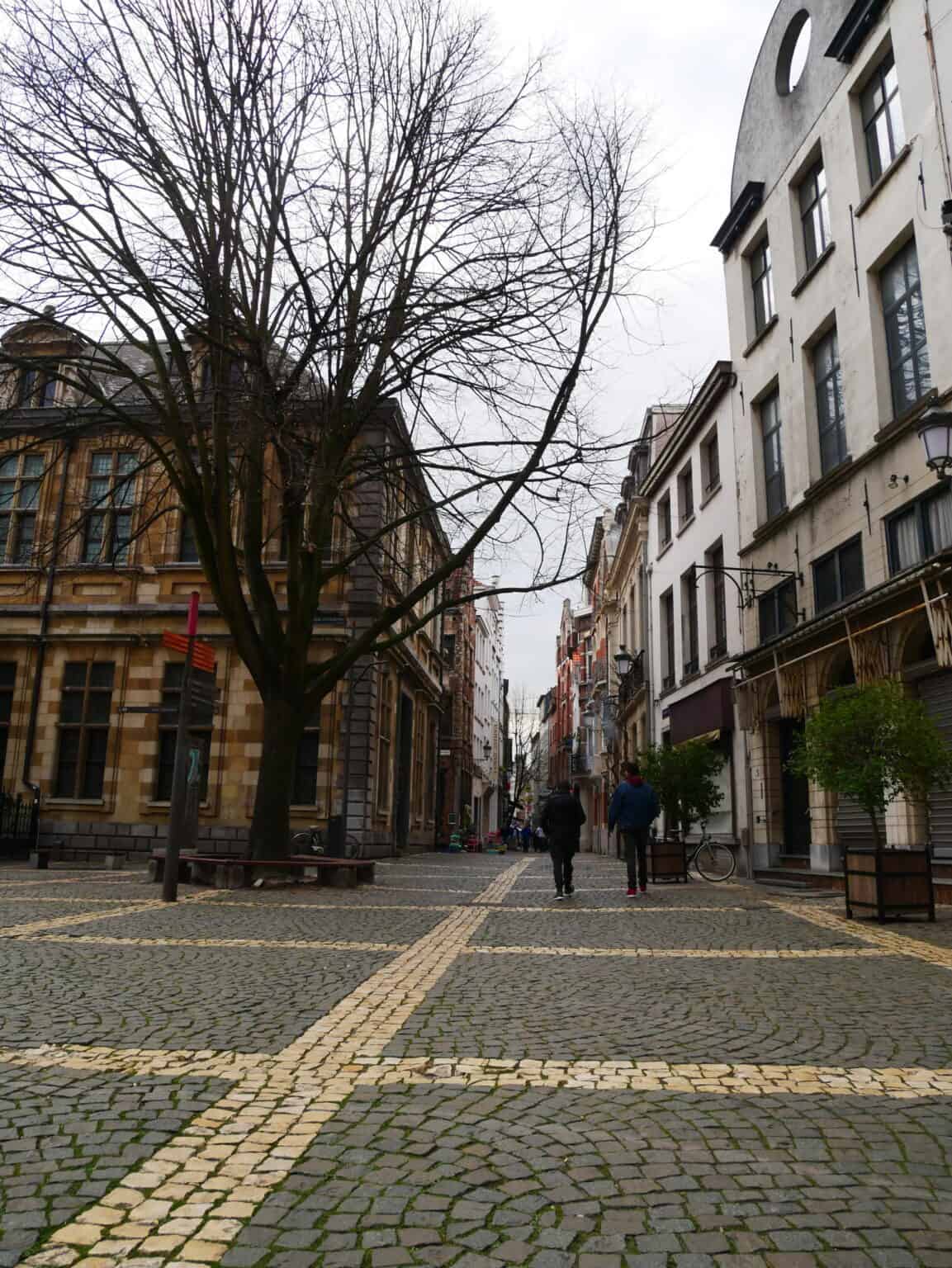
- Walking: The historic center is best explored on foot, but you may need transport for longer distances.
- Trams & Buses: Operated by De Lijn, Antwerp’s trams and buses are efficient and affordable. A single ticket costs around €3, with day passes available for unlimited travel.
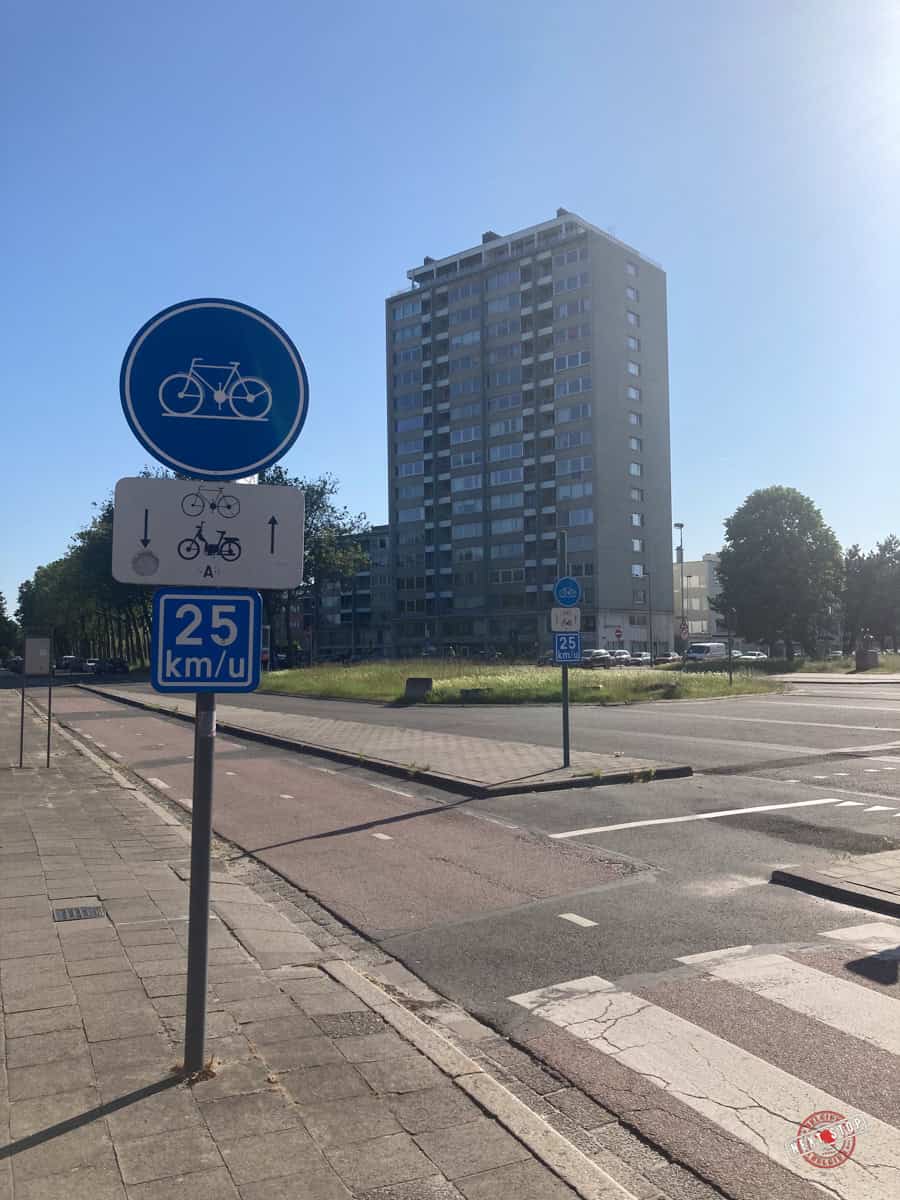
- Biking: With dedicated bike lanes and rental services like Velo Antwerp, cycling is a great way to explore the city.
- Taxis & Rideshares: Taxis and rideshare services are available, though traffic can be heavy during peak hours.
Accessibility Tip:
Use the De Lijn app for real-time tram and bus schedules. Avoid driving, parking is limited and expensive in the city center.
How They Compare:
Bruges wins for its compact and walkable layout and scenic bike routes.
Antwerp wins for its efficient public transport and bike-friendly infrastructure, making it easy to explore both the city center and outer neighborhoods.
Day Trips And Nearby Adventures
Bruges: Fairytale Towns and Coastal Escapes
Bruges’ location in the heart of Flanders makes it easy to explore charming villages, scenic countryside, and the Belgian coast.
1. Ghent (30 minutes by train)
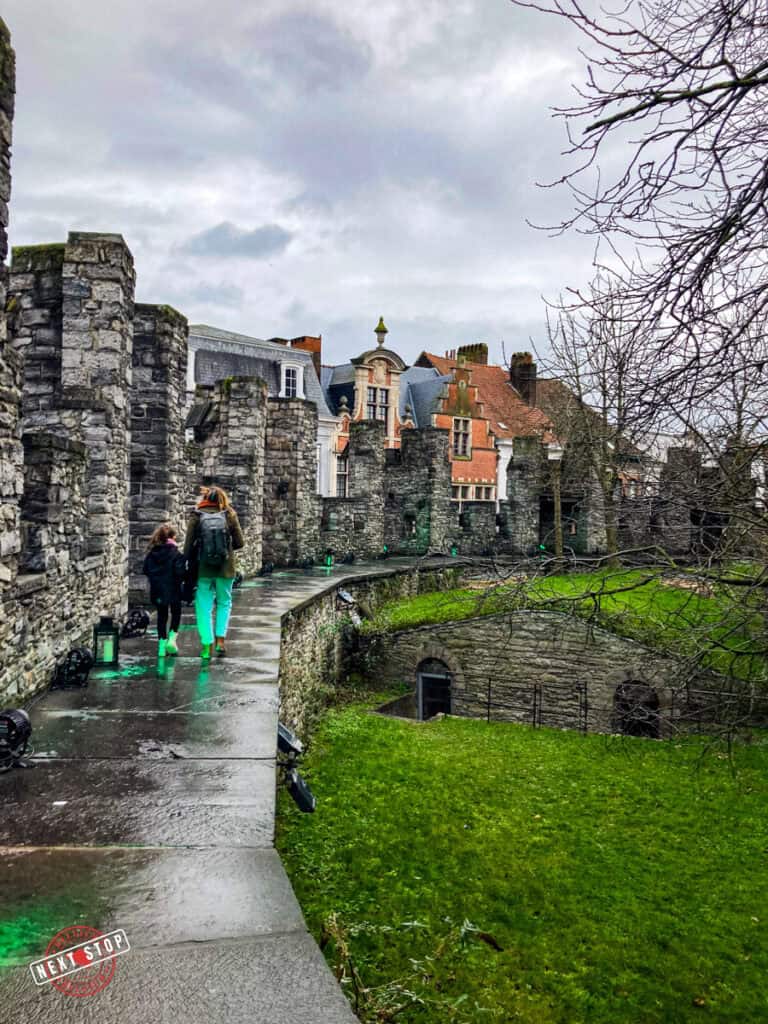
A lively city with medieval architecture, canals, and a lively arts scene. Don’t miss Gravensteen Castle and St. Bavo’s Cathedral.
2. Damme (20 minutes by bike)
A small but picturesque village surrounded by countryside. Cycle along the canal for scenic views and stop at a local cafe for coffee and apple pie.
3. Belgian Coast (30-40 minutes by train)
Visit Knokke-Heist for upscale beaches and boutiques or De Haan for a quieter, more traditional seaside experience.

4. Ypres (1 hour by train)
Explore World War I history at the In Flanders Fields Museum and Tyne Cot Cemetery. Don’t miss the moving Last Post ceremony at Menin Gate.
5. Brussels (1 hour by train)
Belgium’s capital is perfect for a day trip, with popular landmarks like the Grand Place, Atomium, and Royal Palace.
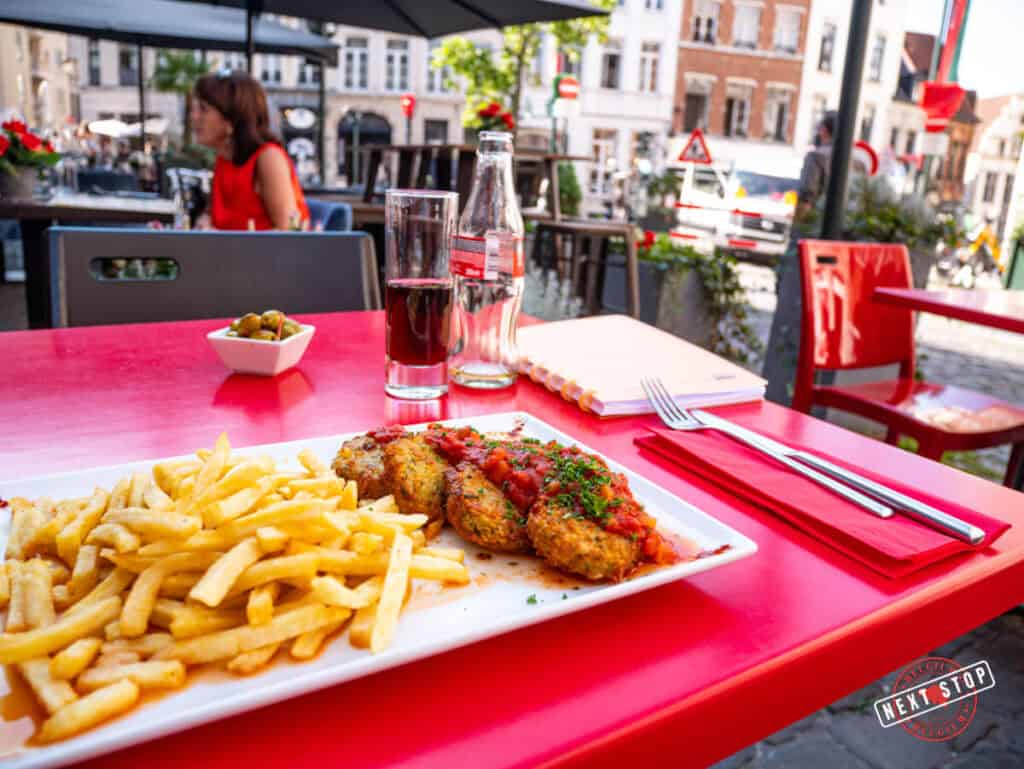
Hidden Gem:
Take a boat tour along the Damme Canal, surrounded by peaceful countryside and windmills.
Antwerp: Artistic Cities and Seaside Charm
Antwerp’s central location makes it a great base for exploring nearby cities and the Belgian coast.
1. Mechelen (25 minutes by train)
Known for its cathedral, historic squares, and peaceful vibe. Don’t miss the St. Rumbold’s Tower and the charming Beguinage.

2. Brussels (40 minutes by train)
Brussels, perfect for exploring Belgium’s capital, with must-see’s like the Grand Place, Magritte Museum, and Manneken Pis.
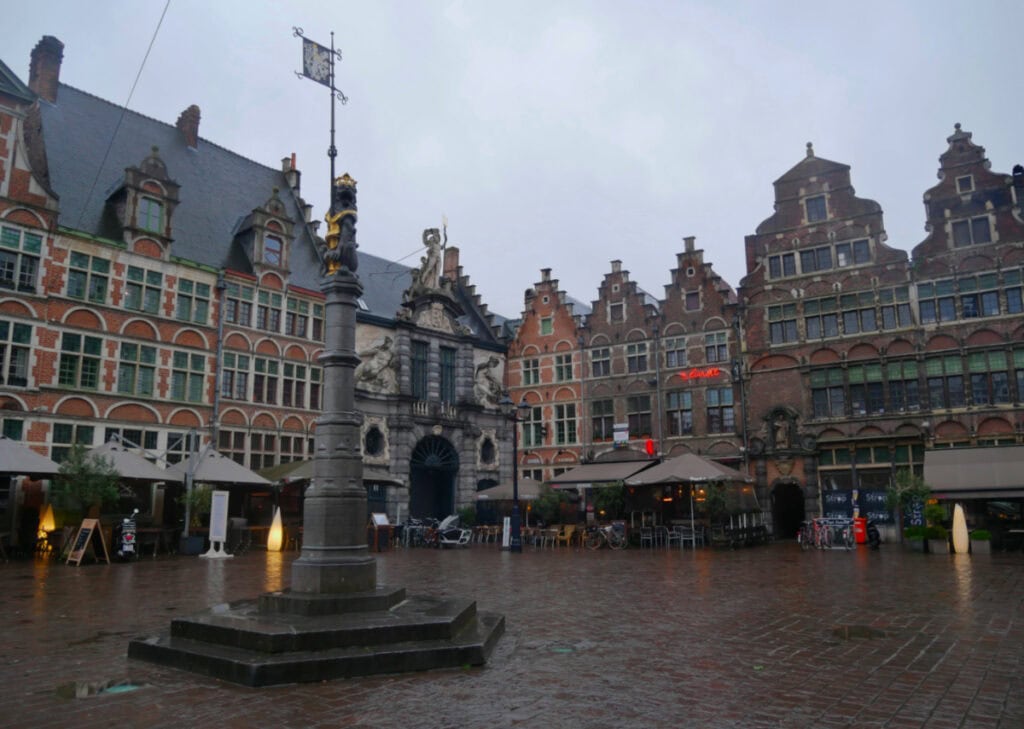
3. Ghent (1 hour by train)
Ghent, a vibrant city with a creative energy, famous for its canals, medieval architecture, and lively student population.
4. Lier (30 minutes by train)
A less popular destination with canals, cobblestone streets, and a famous clock tower. The UNESCO-listed Beguinage is perfect for a quiet stroll.
5. Hasselt (1 hour by train)
Hasselt is one of those Belgian cities that often gets overlooked, which is exactly why it’s worth adding to your trip. It’s known for its gin distilling history, a genuinely good food scene, and a compact, walkable center that’s easy to explore in a day. The Japanese Garden is one of the most beautiful in Europe and free to enter in summer.


Hidden Gem:
Explore Zurenborg, a neighborhood known for its stunning Art Nouveau architecture and cozy cafes.
How They Compare:
Bruges is perfect for charming towns, scenic bike rides, and World War I history.
Antwerp is better for city-hopping, artistic day trips, and easy access to Belgium’s top destinations.

Bruges or Antwerp: The Verdict
Both cities are worth your time, and honestly, if you can swing it, visit both. Antwerp fits naturally into a bigger European trip: if you’re travelling between Brussels or Paris and Amsterdam, it’s right on the route and worth stopping for a couple of days rather than just passing through.
However, Bruges is one of those places that genuinely lives up to the hype, and skipping it entirely would be a shame.
If you really can only pick one:
👉 Go with Bruges if you want concentrated beauty, medieval history, and a city you can cover thoroughly in a day or two
👉 Go with Antwerp if you want more variety, a bigger city feel, and room to wander without a strict itinerary.
Either way, both cities are easy to reach by train from Brussels, so your base doesn’t need to dictate your choice.
What to read next: If you’ve decided on one or both cities, the next step is figuring out where to stay and how to plan your days. A good place to start is how to spend a perfect day in Bruges.
If this helped you plan your adventure, a coffee would go a long way in fueling my next guide! 😉
