Bruges vs Ghent: Comparing Belgium’s Fairytale Cities
This article may contain affiliate links. This means we receive a small commission whenever you book or purchase something through our links (at no extra cost to you!). You can find more information in our disclaimer.
Bruges vs Ghent: which fairytale Belgian city should you visit first?

Bruges and Ghent, two Belgian gems, both packed with history, architecture, and canals that rival those of Venice. But which one should you visit?
If you’ve done even a little research on Belgium, you’ve probably seen travelers caught in this exact dilemma. Bruges is the country’s medieval superstar, while Ghent feels like Belgium’s best-kept secret.
This guide puts Bruges and Ghent head-to-head, comparing everything from their atmosphere to their food scene, so you can decide which one suits your travel style best.
Vibes And Atmosphere
Some people travel for the sights, others travel for the vibes. If you’re the type who cares just as much about the energy and personality of a city as its top attractions, read on.
Bruges: The Postcard-Perfect Fairytale
Walking through Bruges feels like travelling back in time, with its cobblestone streets, medieval architecture, and dreamy canals that make it one of the most picturesque destinations in Europe.
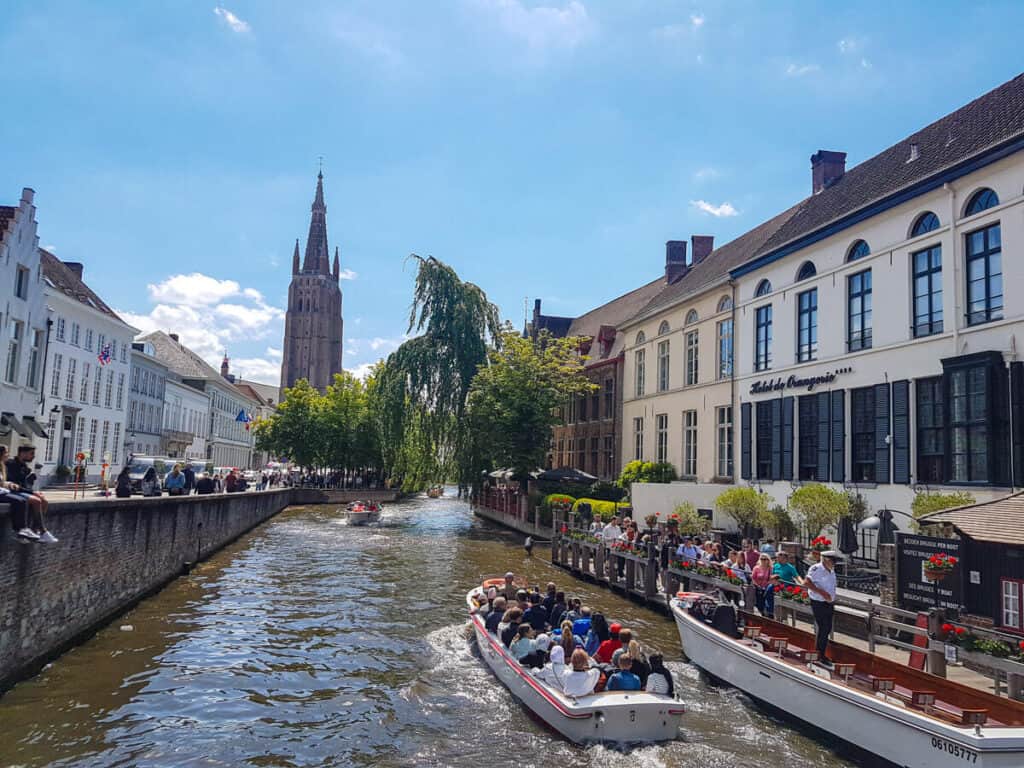
It’s a place that moves at a slower pace. Mornings are best spent wandering past quiet squares and Gothic buildings, while afternoons call for a cozy café break with a rich Belgian hot chocolate.
If romance and charm are what you’re after, Bruges has it in abundance.
That said, the fairytale appeal comes with a downside: tourists. In peak season, you won’t be the only one trying to snap a photo of the Belfry or strolling along the canals.
The crowds can make it feel more like an open-air museum than a living, breathing city.
But if you visit in the off-season or early in the morning, Bruges is downright magical.
Ghent: The Underrated Alternative
If Bruges is the classic fairytale, Ghent is the indie version, just as historic but with a livelier and more local vibe.
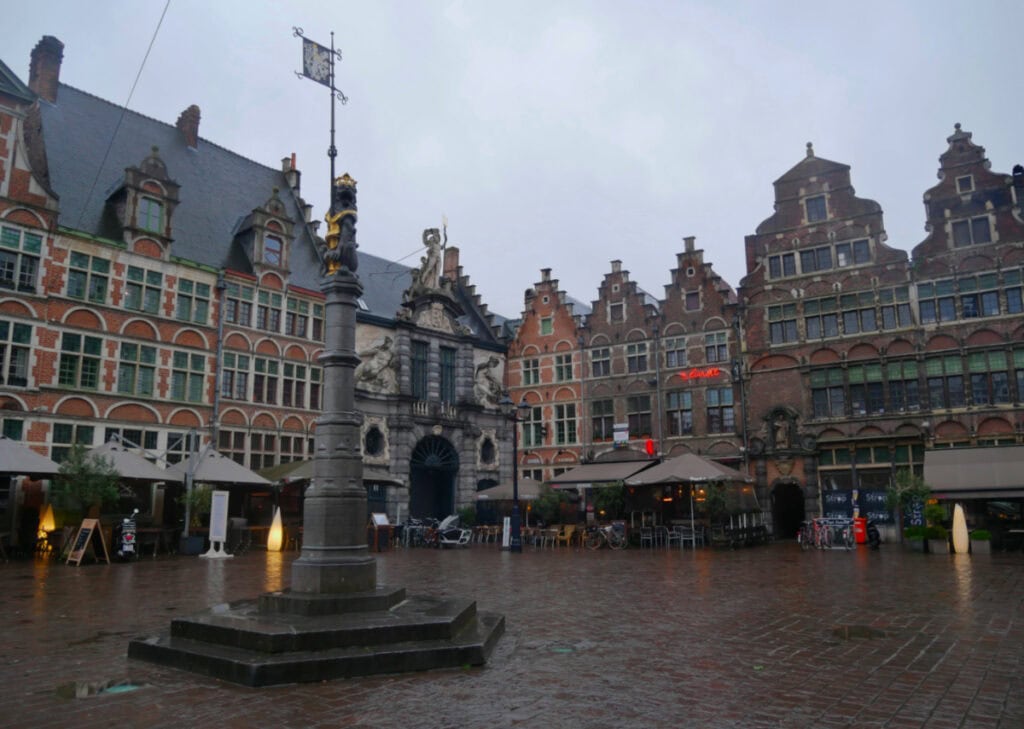
It’s a city that blends old and new effortlessly, where medieval castles sit alongside trendy coffee shops, and street art-covered alleyways lead to centuries-old cathedrals.
Unlike Bruges, Ghent is a university town with a thriving student population, which gives it an edge.
The energy is younger, the nightlife is buzzing, and while it still has plenty of postcard-worthy spots, it feels like a city where people actually live.
Ghent may not have Bruges’ storybook perfection, but that’s part of its appeal. It’s a little rougher around the edges, but if you like places that feel authentic and full of life, Ghent might just win you over.
Which One Wins?
It’s a tie! If you’re looking for peace, romance, and medieval magic, Bruges is the clear winner. If you prefer a city with a mix of history, culture, and a more local feel, Ghent takes the crown.
Things to See And Do
No matter which city you choose, you won’t run out of things to do. But while Bruges and Ghent share plenty of history, their must-see attractions cater to different kinds of travelers.
Bruges: A Living Museum
Bruges is one of Europe’s best-preserved medieval cities, and it knows it. Every street looks like a painting, and every corner reveals another stunning view. But beyond its good looks, Bruges also has plenty to explore.
1. Markt Square
This is the heart of the city, where colorful step-gabled houses line the square and horse-drawn carriages add to the old-world charm.
2. Belfry of Bruges
While the bell tower is one of the city’s most famous landmarks, the view from the top isn’t particularly impressive for the effort required to climb 366 steps. Honestly, you’re better off enjoying the square from ground level (or better yet, climb the Historium Tower on the other side of the square for unobstructed views).
3. Canal Boat Ride
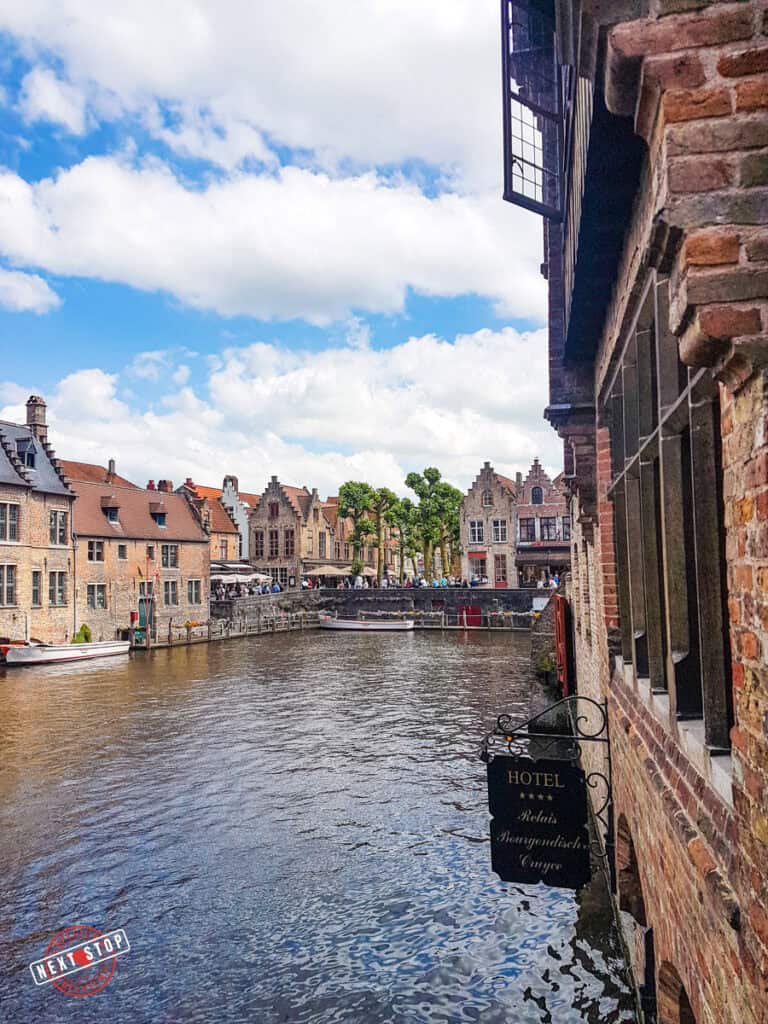
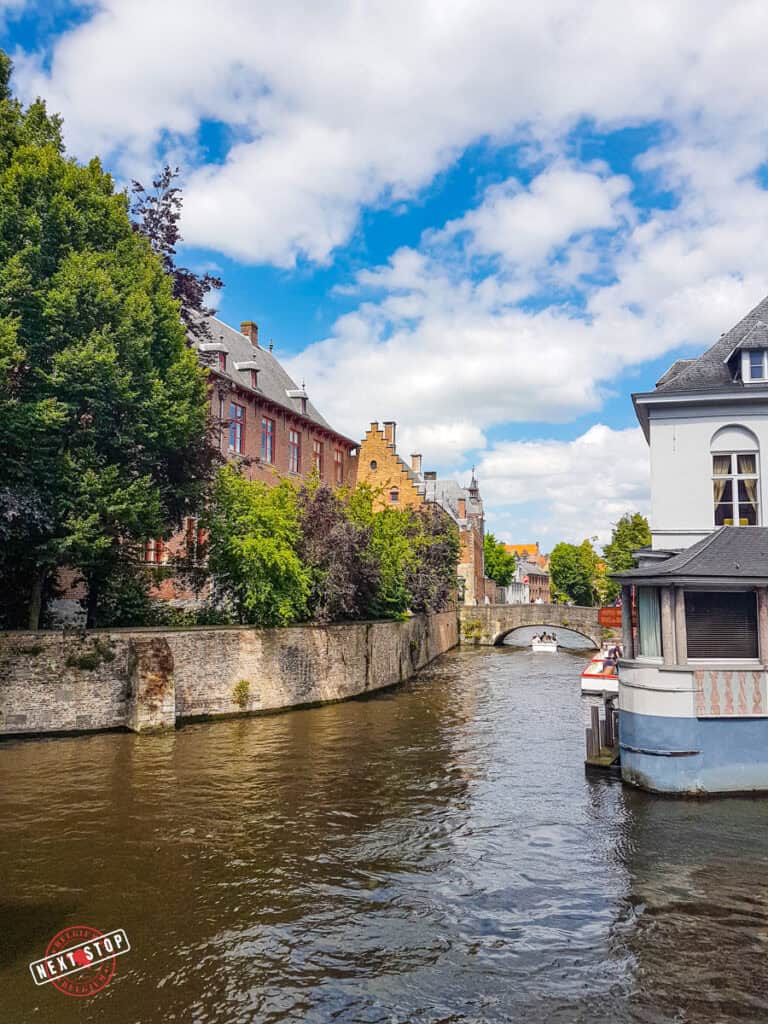
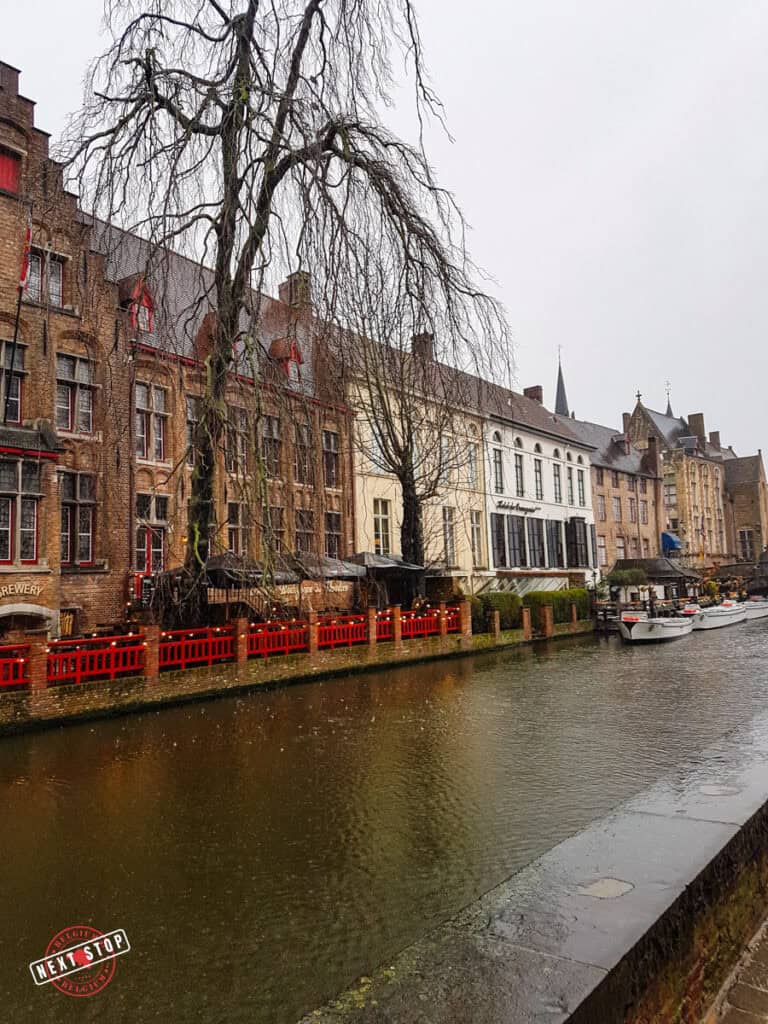
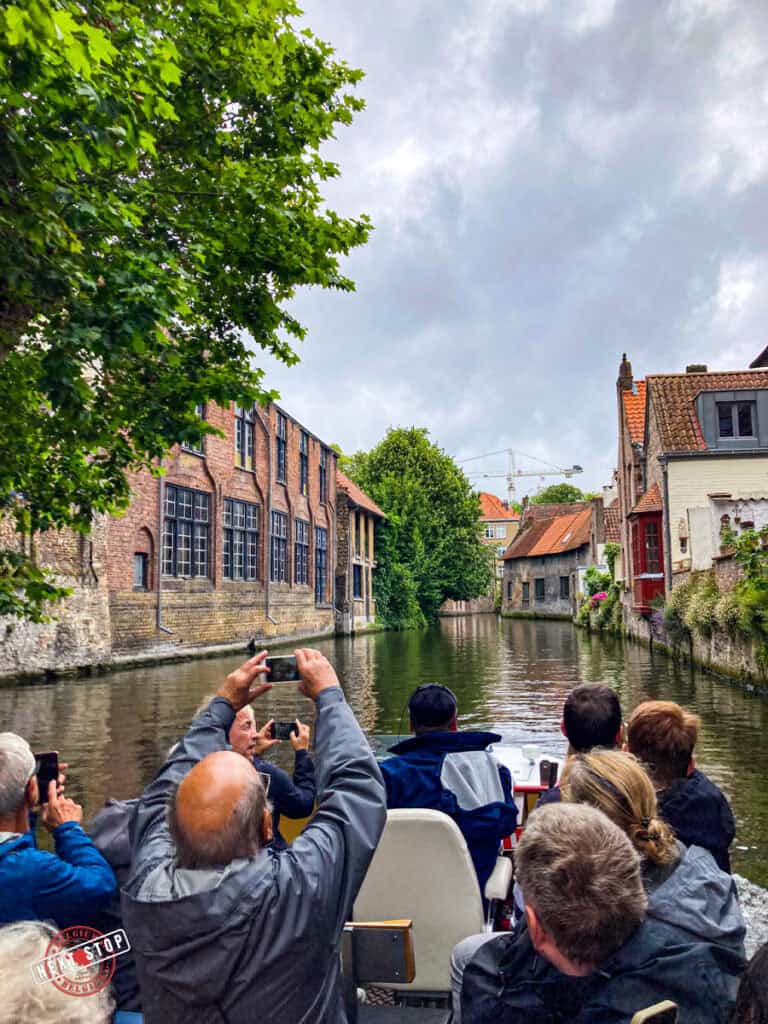
A trip to Bruges wouldn’t be complete without a canal boat ride. Often called the “Venice of the North”, Bruges is best seen from the water, where you can glide past centuries-old buildings and under picturesque stone bridges.
4. Basilica of the Holy Blood
This small but impressive church claims to house a vial of Jesus’ blood, brought back from the Crusades. Whether or not you believe the legend, the interior alone is worth a visit.
5. Minnewater Park
If you need a break from sightseeing, head to Minnewater Park, home to the so-called “Lake of Love.” It’s one of the quietest and most romantic spots in Bruges, ideal for a peaceful walk or a picnic.

Ghent: A Blend of Old and New
Bruges might win the “most photogenic” award, but Ghent is where history meets cool and urban energy. While it has its fair share of medieval landmarks, the city offers a lot more than just historic charm.
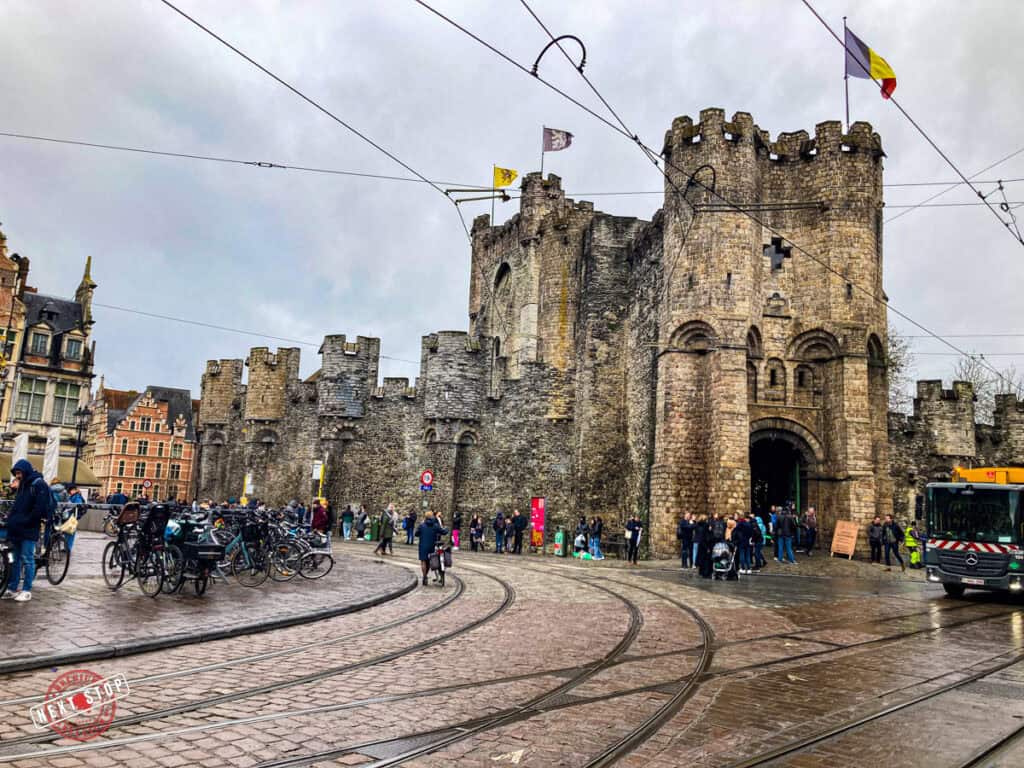
1. Gravensteen Castle
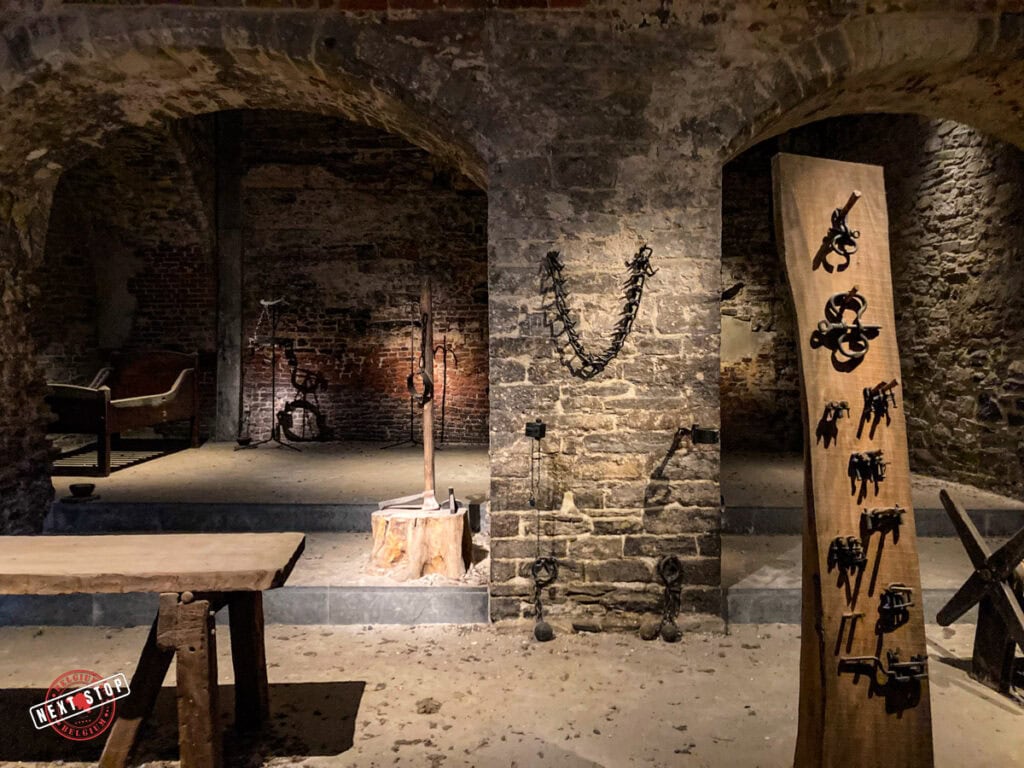
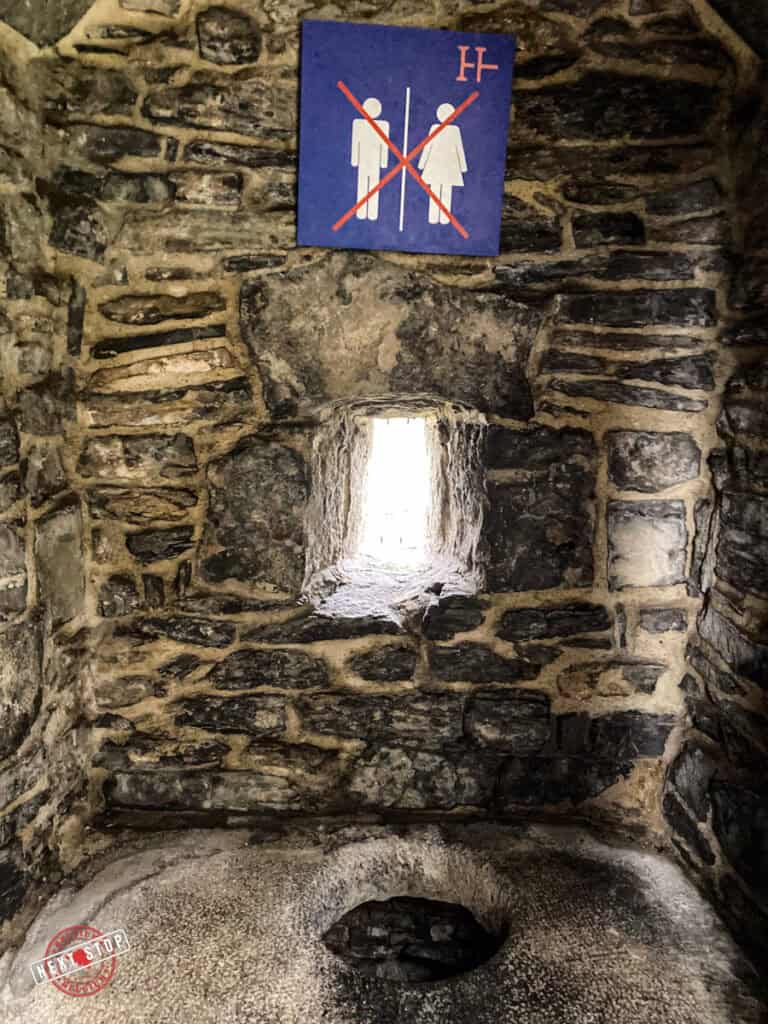
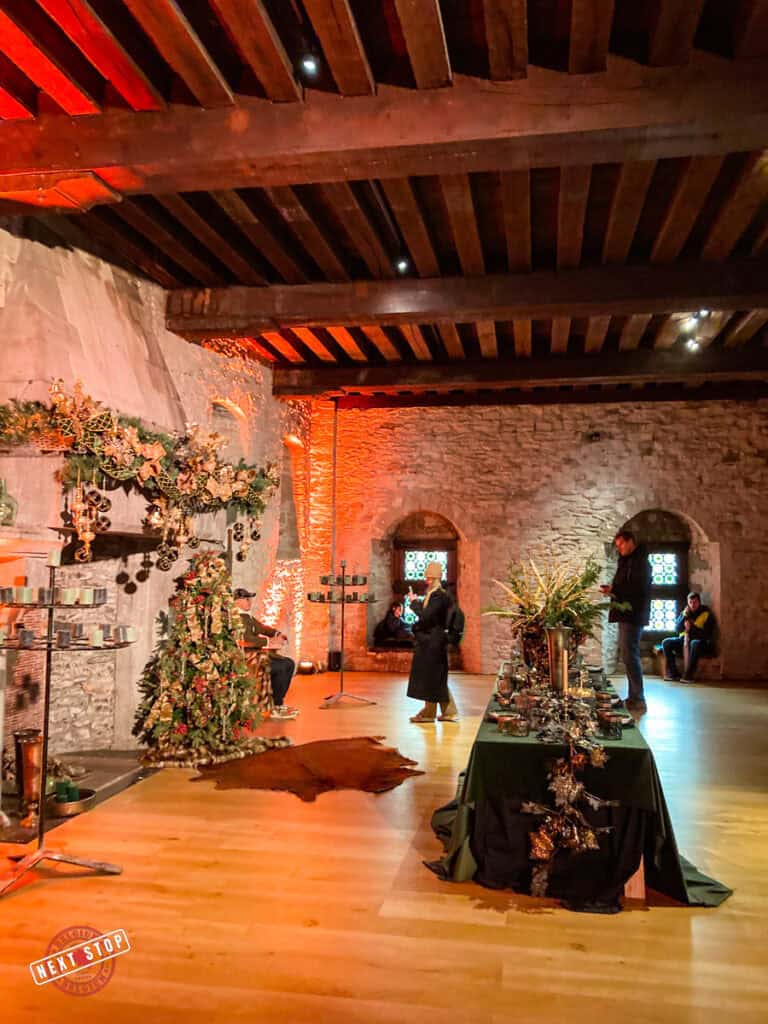
A 12th-century fortress looks straight out of Game of Thrones. The Gravensteen Castle is a medieval stronghold that has torture chambers, battlements, and incredible city views from the top.

2. St. Bavo’s Cathedral
This is a must for art and architecture lovers. Inside, you’ll find the Ghent Altarpiece (the Adoration of the Mystic Lamb) painted the van Eyck brothers, one of the most famous paintings in European history.
Even if you’re not into religious art, the sheer detail and history behind this masterpiece are worth experiencing in person. You can also do an augmented reality tour in the cathedral.
3. Patershol & Graffiti Street
Ghent isn’t just about castles and cathedrals. Wander through Patershol, an old district turned hipster haven, where medieval houses now hold trendy restaurants and bars.
Take a detour down Graffiti Street, an ever-changing alleyway covered in vibrant street art.
4. Graslei & Korenlei
For something a little more relaxing, head to Graslei and Korenlei, two scenic waterfront streets perfect for people-watching, café hopping, or just soaking in the view.
Unlike Bruges, where everything feels curated for tourists, this part of Ghent has a more laid-back and local feel.
Which One Wins?
Sorry, I can’t choose! Both Bruges and Ghent have wonderful sights that are worth a visit.
Food And Drinks
Belgium is a dream for food lovers, and both Bruges and Ghent serve up fantastic local flavors, but they do it in very different ways.
Bruges leans into cozy and traditional dining, while Ghent brings a modern, diverse, and even experimental edge to the table.
Bruges: Traditional & Cozy
Bruges is all about the classics. Think hearty Flemish dishes, rich Belgian chocolate, and some of the best waffles you’ll ever eat.
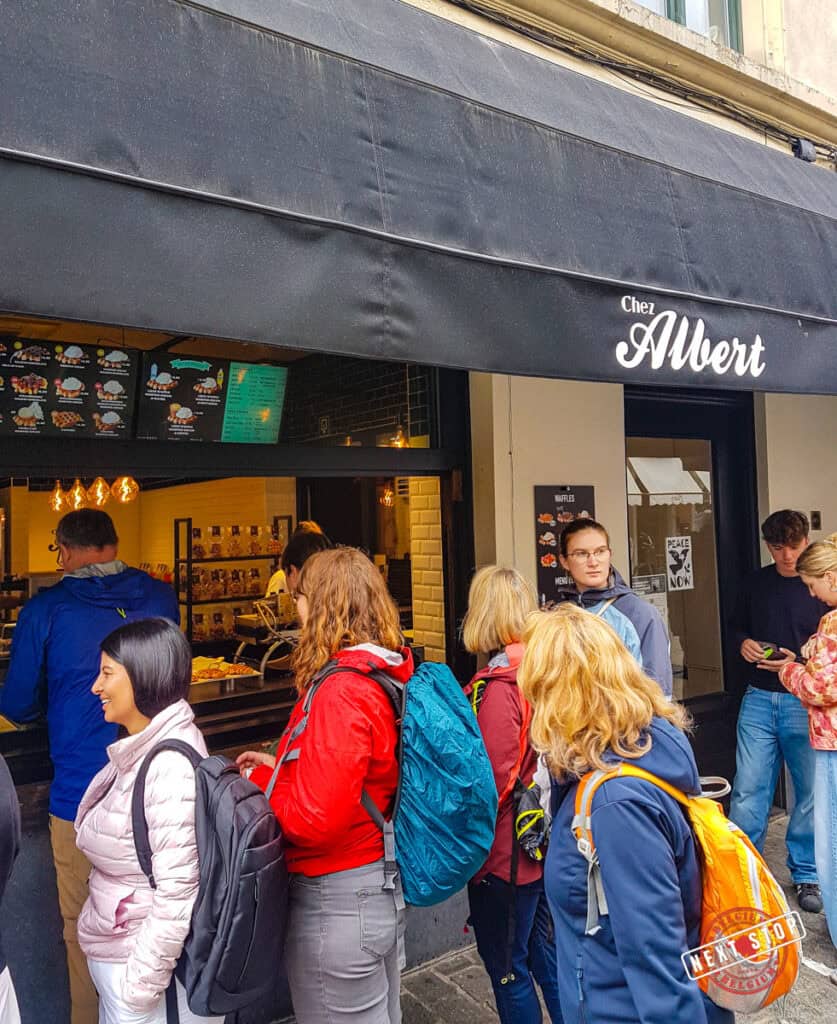
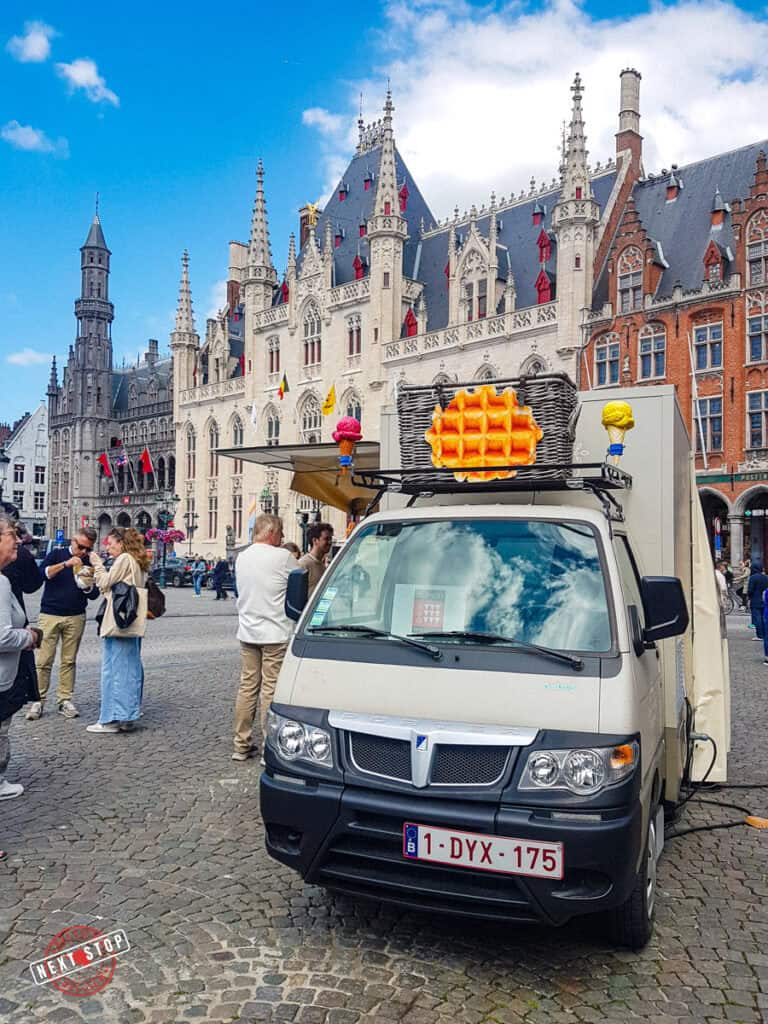
The city’s dining scene is made up of warm and intimate restaurants and chocolate shops on every corner.
Start with the ultimate Bruges experience: a stop at one of the city’s many artisan chocolatiers.
While Brussels might be home to big names like Neuhaus and Godiva, Bruges is where you’ll find smaller, high-quality, family-run chocolate shops.
Places like The Chocolate Line push the boundaries with flavors like bacon and wasabi, while classics like Dumon Chocolatier stick to perfectly crafted pralines.
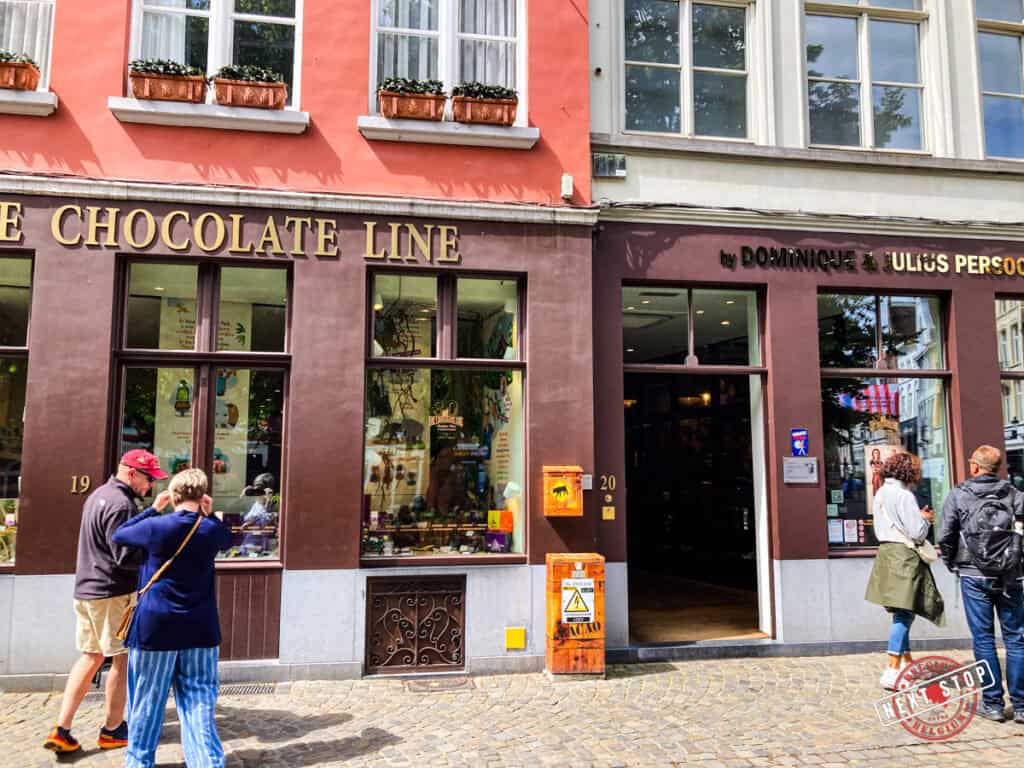
If you’re a fan of comfort food, you’ll love stoofvlees (Flemish beef stew). This rich, slow-cooked dish is made with tender beef simmered in dark beer until it practically melts in your mouth.
It’s typically served with thick-cut Belgian fries, which are fried twice for extra crispiness.
Speaking of fries, Bruges is home to some of Belgium’s best frites stands. Forget about ketchup, here, fries are traditionally eaten with mayonnaise or one of the dozens of specialty sauces available.
If you want to go full local, try Andalouse sauce, a tangy, slightly spicy mix of mayonnaise, tomato, and peppers.
And of course, waffles. Belgium has two types, and Bruges is the perfect place to try both:
- Brussels waffles – Light, crispy, and rectangular. Best enjoyed simply with powdered sugar.
- Liège waffles – Smaller, denser, and caramelized with pearl sugar. Often eaten plain or with a drizzle of Belgian chocolate.
For drinks, beer lovers should head straight to De Halve Maan Brewery, which has been making beer in Bruges for centuries. Their flagship Brugse Zot is a refreshing blonde ale that pairs perfectly with a hearty meal.
Ghent: Creative & Diverse
Ghent takes a bolder and more modern approach to food. It has a huge student population, so you’ll find everything from classic Flemish dishes to vegan hotspots and international fusion.
You might be surprised to know that Ghent is actually Belgium’s vegetarian capital.
The city has one of the highest concentrations of vegetarian restaurants in Europe, thanks to its weekly “Veggie Thursdays.”
Even if you’re not vegetarian, you’ll find some incredible plant-based food here, from gourmet veggie burgers to creative plant-based takes on Belgian classics.
A must-try is waterzooi, a creamy Flemish stew that originally featured fish but is now commonly made with chicken.
Unlike stoofvlees, waterzooi is lighter and creamier, making it a great comfort dish for those who don’t want something too heavy. You’ll find a lot more veggies in there too.
For something truly local, grab a pack of cuberdons, also known as “Ghent noses.” These cone-shaped raspberry-flavored sweets are iconic to the city. They’re chewy, sugary, and strangely addictive! But fair warning, you either love them or hate them (I’m in team hate 🙈). And while non-alcoholic, most kids don’t like them.
Beer culture in Ghent is more experimental than in Bruges. Instead of the traditional breweries, the city is known for its craft beer bars, quirky tasting rooms, and offbeat pubs.
De Dulle Griet is one of the most famous spots, where ordering a large beer means you have to hand over one of your shoes as a deposit!
Which One Wins?
Bruges doesn’t stand out for its food scene, Ghent does! So we have a clear winner here!
Nightlife And Local Scene
When the sun sets, Bruges and Ghent take very different approaches to nightlife.
Bruges embraces the quiet charm of cozy pubs and intimate bars, while Ghent keeps the energy up with live music venues, packed beer halls, and student-fueled nightlife.
Bruges: A Peaceful Evening Affair
Bruges is not a party city. The medieval charm that makes it so picturesque during the day translates into calm and relaxed evenings.
Instead of bustling bars and clubs, you’ll find candlelit taverns, hidden speakeasies, and quiet cafés perfect for unwinding with a drink.
One of the best places to experience this is ‘T Poatersgat, a cozy underground bar set in a medieval cellar.
If you prefer an old-school Belgian beer experience, De Garre is the place to go.

This tiny bar, tucked away in a narrow alley, is home to its own house beer—a strong, golden tripel that pairs perfectly with their signature cheese platter.
The trade-off? By midnight, Bruges is pretty much asleep. If you’re looking for a night of dancing or a buzzing bar scene, you might be disappointed.
Ghent: Lively and Local
If Bruges is a quiet dinner date, Ghent is a Friday night out with friends. Thanks to its large student population, Ghent has a thriving nightlife scene that ranges from craft beer bars to full-blown clubs.
Start the evening at Hot Club de Gand, a hidden jazz bar with live music. If beer is your thing, De Dulle Griet is an experience you won’t forget.
Looking for something more alternative? Charlatan is one of the best venues for live music and DJ nights.
Unlike Bruges, Ghent doesn’t slow down after dinner. There’s always something happening, and you’ll find people out until the early hours.
Which One Wins?
Ghent is the clear winner if you’re looking for a fun night out!
Day Trips And Exploring Nearby
Bruges and Ghent aren’t just fantastic cities on their own, they also make great bases for exploring Belgium. But the kinds of day trips you’ll get from each city are totally different.
From Bruges: Countryside, Coastal Towns & Historic Villages
Bruges sits closer to Belgium’s coast and countryside, making it perfect for quaint and peaceful getaways.

- Damme: Just a short bike ride away, this tiny medieval village is great for a quiet escape.
- The Belgian Coast: If you want beaches and fresh seafood, head to Knokke-Heist for a lively beach scene or De Haan for a quieter, Belle Époque-style coastal town.
- Ypres & Flanders Fields: History buffs should take a day trip to Ypres, the site of some of World War I’s most significant battles.
From Ghent: Bigger Cities & Cultural Hotspots
Ghent is better connected to Belgium’s major cities, making it ideal if you want to explore other urban destinations.
- Brussels (40 min by train): Belgium’s capital is an easy day trip, filled with grand architecture, world-class museums, and chocolate shops.
- Antwerp (60 min by train): A fashion and design hub, with a hip café scene and fantastic museums.
- Leuven (60 min by train): Home to Stella Artois and Belgium’s oldest university, Leuven is a charming and student-friendly city.
Which One Wins?
While Ghent is easier for day trips to the major destinations in Belgium, Bruges has easy access to some of the finest regions. I’m giving this vote to Bruges. You’ll have plenty of things to do here that are much harder to do from other destinations.
Shopping And Souvenirs
Whether you’re hunting for the perfect souvenir or simply love exploring unique boutiques, both Bruges and Ghent offer fantastic shopping experiences.
Bruges: Chocolate, Lace & Classic Belgian Souvenirs
Shopping in Bruges is all about elegance and tradition. The city is best known for its artisan chocolates, handmade lace, and Belgian beer gift sets.
If you’re looking for a classic and high-quality Belgian souvenir, Bruges is the place to find it.
Best Shopping Streets & Areas in Bruges
- Steenstraat – The main shopping street, lined with boutiques, high-end fashion stores, and Belgian specialty shops.
- Wollestraat – A great place to buy luxury chocolates and Belgian beer gift sets.
- The Bruges Lace Center – The best spot for authentic and handmade Belgian lace.
If you’re a chocolate lover, Bruges is heaven on earth. Artisan chocolatiers like The Chocolate Line, Dumon, and Pralinette offer exquisite handmade chocolates that make perfect gifts (or snacks for yourself).
Unlike mass-produced chocolate brands, these shops focus on quality, craftsmanship, and unique flavor combinations.
Lace is another specialty in Bruges. Belgium has been famous for lace-making since the 16th century, and Bruges remains one of the best places to buy handmade lace pieces, from delicate doilies to intricate shawls.
While some cheaper versions are machine-made, true Bruges lace is crafted by hand and can take months to complete.
Ghent: Indie Boutiques, Vintage Shops & Local Designers
Shopping in Ghent is cool, edgy, and creative. Instead of touristy souvenir stores, you’ll find quirky concept stores, independent bookshops, and vintage clothing boutiques.
The city’s younger, artsy vibe means that you’re more likely to find one-of-a-kind items and local Belgian designs.
Best Shopping Streets & Areas in Ghent
- Veldstraat – The main commercial street, where you’ll find international brands and department stores.
- Onderstraat & Brabantdam – Best for boutique shopping, unique fashion, and concept stores.
- Vrijdagmarkt – A historic square with a Saturday flea market full of antiques and vintage treasures.
Ghent is particularly great for vintage lovers. Stores like Think Twice and Oxfam Vintage are packed with retro clothing, accessories, and second-hand treasures at affordable prices.
If you love discovering one-of-a-kind fashion pieces, Ghent is your city.
The city also has a thriving indie bookshop scene, perfect for picking up beautifully designed art books, literature, and Belgian travel guides.
If you’re after a stylish and modern souvenir, head to stores like Design Museum Shop for contemporary Belgian design pieces.
Which One Wins?
It’s a tie! If you’re after classic Belgian souvenirs like lace, chocolates, and luxury items, Bruges is the place to shop. But if you love indie stores, vintage finds, and unique local designs, Ghent is the better pick.
Ease of Getting Around
Both Bruges and Ghent are easy to explore without a car, but their layouts and transport options make for two very different experiences.
Bruges: The Ultimate Walkable City
Bruges is compact and incredibly pedestrian-friendly. You can walk from one end of the historic center to the other in about 30 minutes, making it one of the easiest cities in Europe to explore on foot.

Pros of Getting Around in Bruges
- Almost everything is walkable—no need for public transport.
- No traffic in the historic center, making it pleasant for strolling.
- Canal boats offer a different way to see the city.
However, Bruges isn’t great for cycling. The cobblestone streets and narrow alleys make biking uncomfortable, and unlike other Belgian cities, Bruges doesn’t have an extensive bike lane network.
Ghent: The Cycling Capital of Belgium
Ghent, on the other hand, is a paradise for cyclists. The city has an excellent bike rental system and a network of cycling lanes, making it easy to get around quickly.
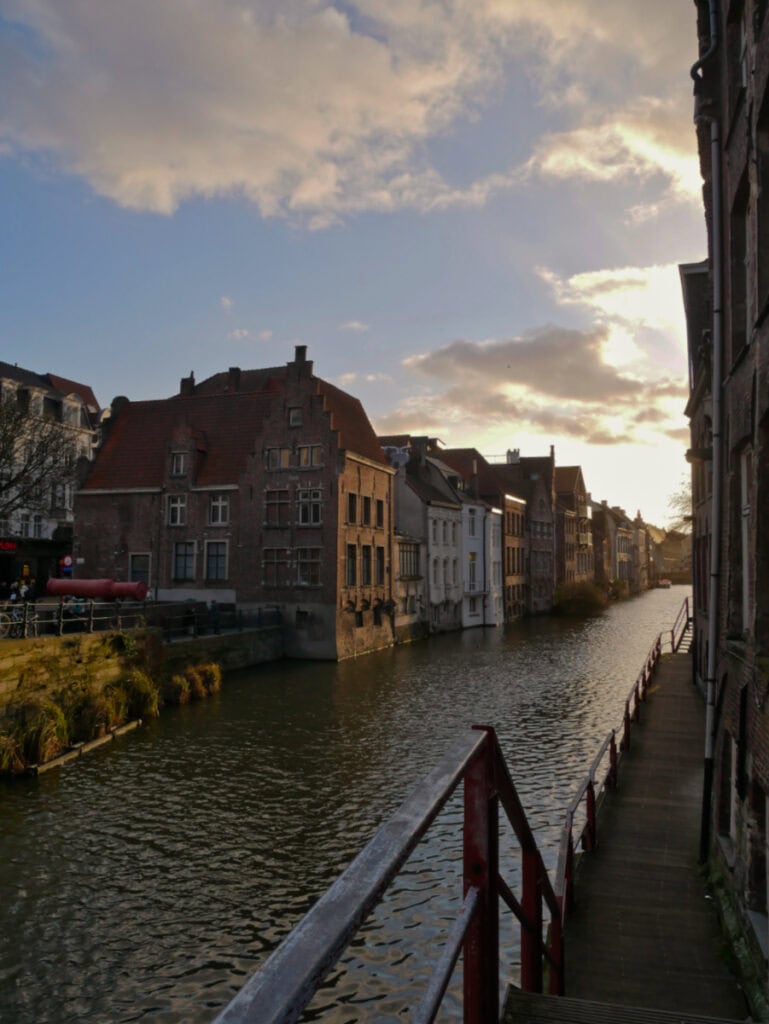
Pros of Getting Around in Ghent
- Fantastic cycling infrastructure—biking is often faster than walking.
- Great tram system for reaching areas outside the city center.
- More space and fewer crowds compared to Bruges.
If you prefer walking, cycling, or using public transport, Ghent is a better city for getting around efficiently.
Which One Wins?
Bruges for the win here! It’s so small you can literally do everything you want to do on foot. In Ghent, you’ll also definitely get by on foot, but some sights/museums are located more outside of the center.
Bruges vs Ghent: Which City is Right for You?
Still stuck? Let’s sum it up.
Pick Bruges if you:
- Want a romantic and peaceful getaway with beautiful medieval architecture
- Love slow travel, cozy cafés, and charming streets though keep tourist crowds in mind.
- Prefer a quiet atmosphere with intimate bars and early nights.
- Are looking for classic Belgian souvenirs like lace, chocolates, and craft beer.
- Enjoy walking everywhere and exploring at a relaxed pace.
Pick Ghent if you:
- Want a mix of history and modern city life.
- Prefer a more local, less touristy vibe with an artsy edge.
- Enjoy lively nightlife, cool cafés, and experimental food spots.
- Love indie boutiques, vintage shops, and unique local finds.
- Want a bike-friendly city with a fun, student-driven energy.
Still undecided? Visit both!
Here’s the real deal: You don’t actually have to choose!
In the best case scenario, you can spend 2 or 3 days in Bruges (plenty of day trips to do) and 1 or 2 in Ghent. You won’t regret it.
But even if you’re short on time, these two cities sit just 25 minutes apart by train, which means you could visit both Bruges and Ghent in one day. Click the link to read my full guide describing how to combine the two cities.
If this helped you plan your adventure, a coffee would go a long way in fueling my next guide! 😉
