
Can You Visit Bruges and Ghent in One Day?
This article may contain affiliate links. This means we receive a small commission whenever you book or purchase something through our links (at no extra cost to you!). You can find more information in our disclaimer.
Limited in time and can’t decide between Bruges or Ghent for your day trip? I got you covered!
It’s like choosing between two favorite desserts: both are so good but so different!
I grew up near Bruges and now live only 45 minutes from Ghent, so I’ve spent a lot of time in both cities.
I you have the time, I strongly recommend you take a full day for each city, but if time is limited, you don’t have to choose. Let me show you how to experience the best of Bruges and Ghent in just one unforgettable day!
🥇 Looking for the most convenient option? Book this day trip to Ghent and Bruges from Brussels
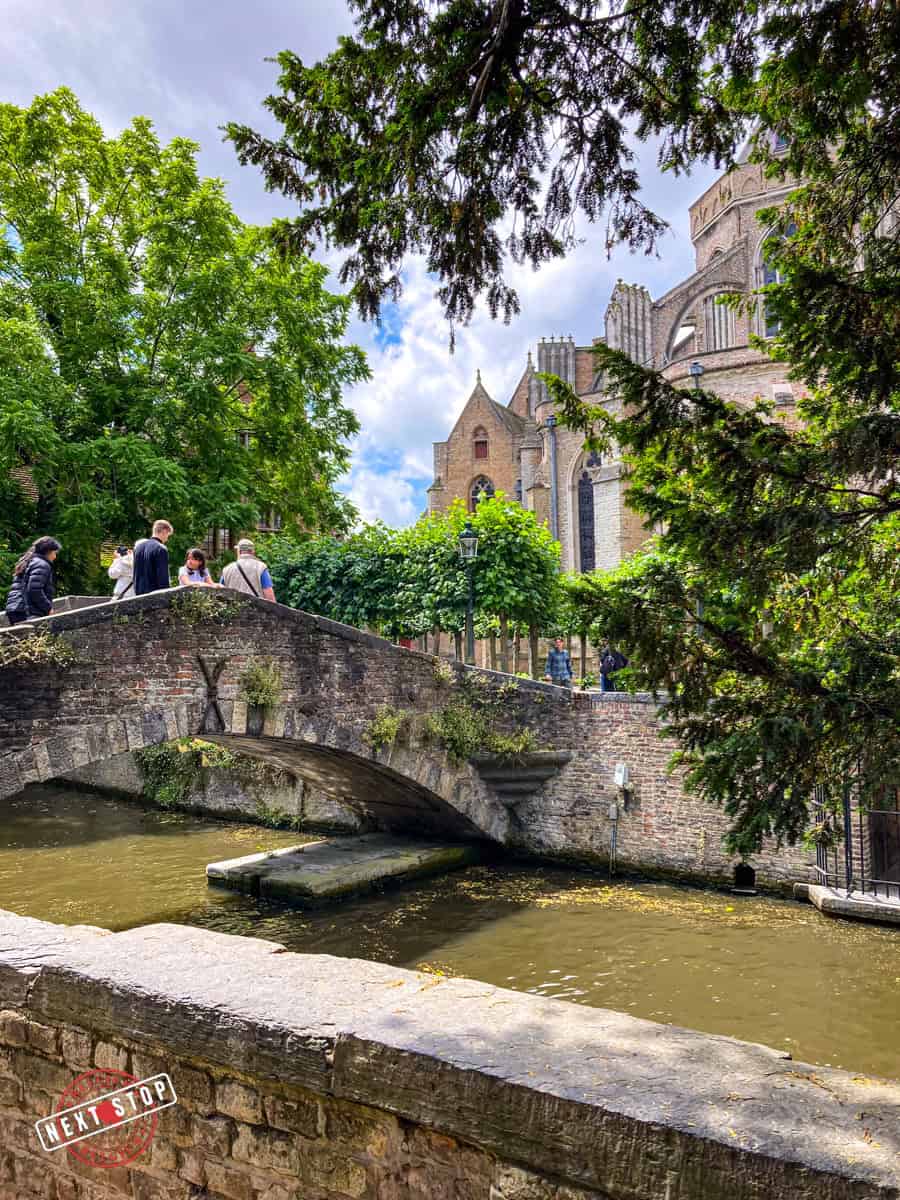
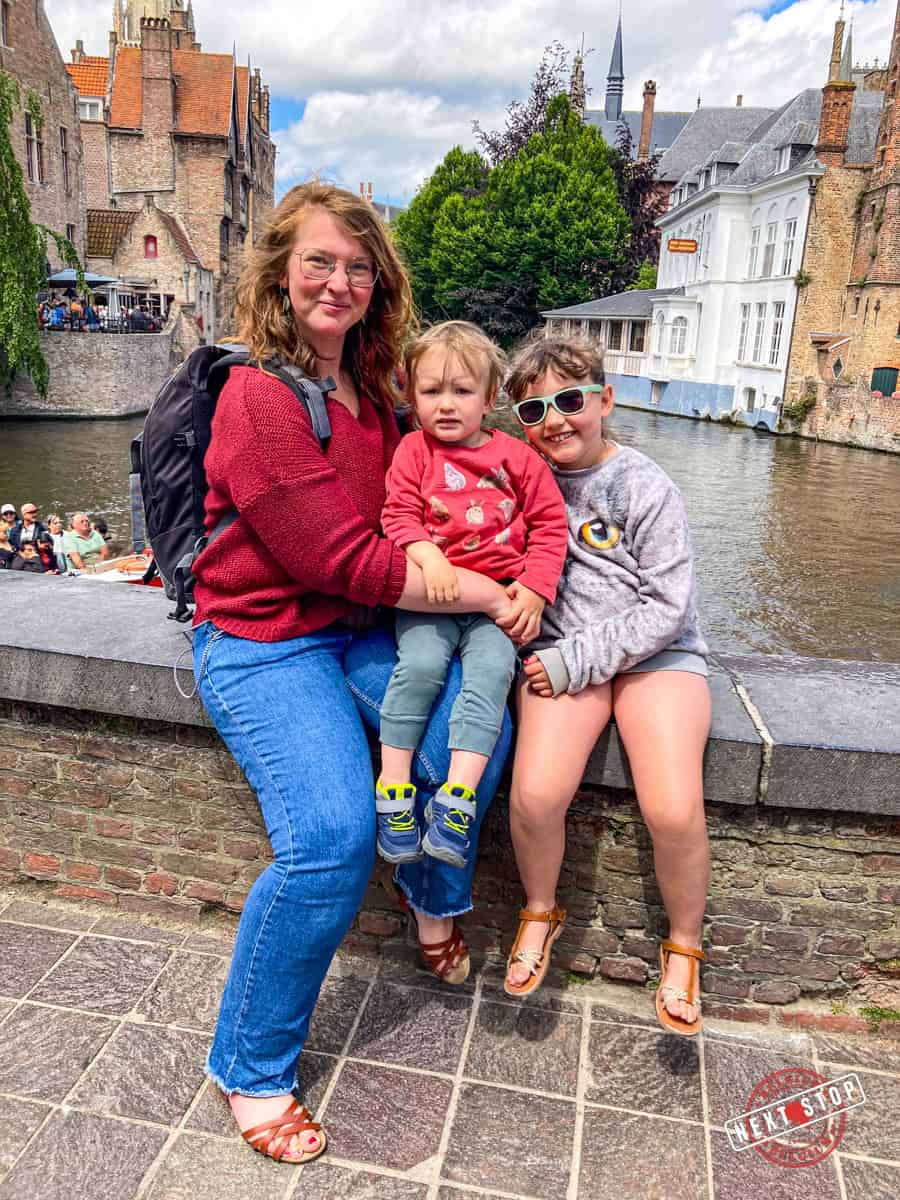
 The lovely Bonifacius bridge in Bruges
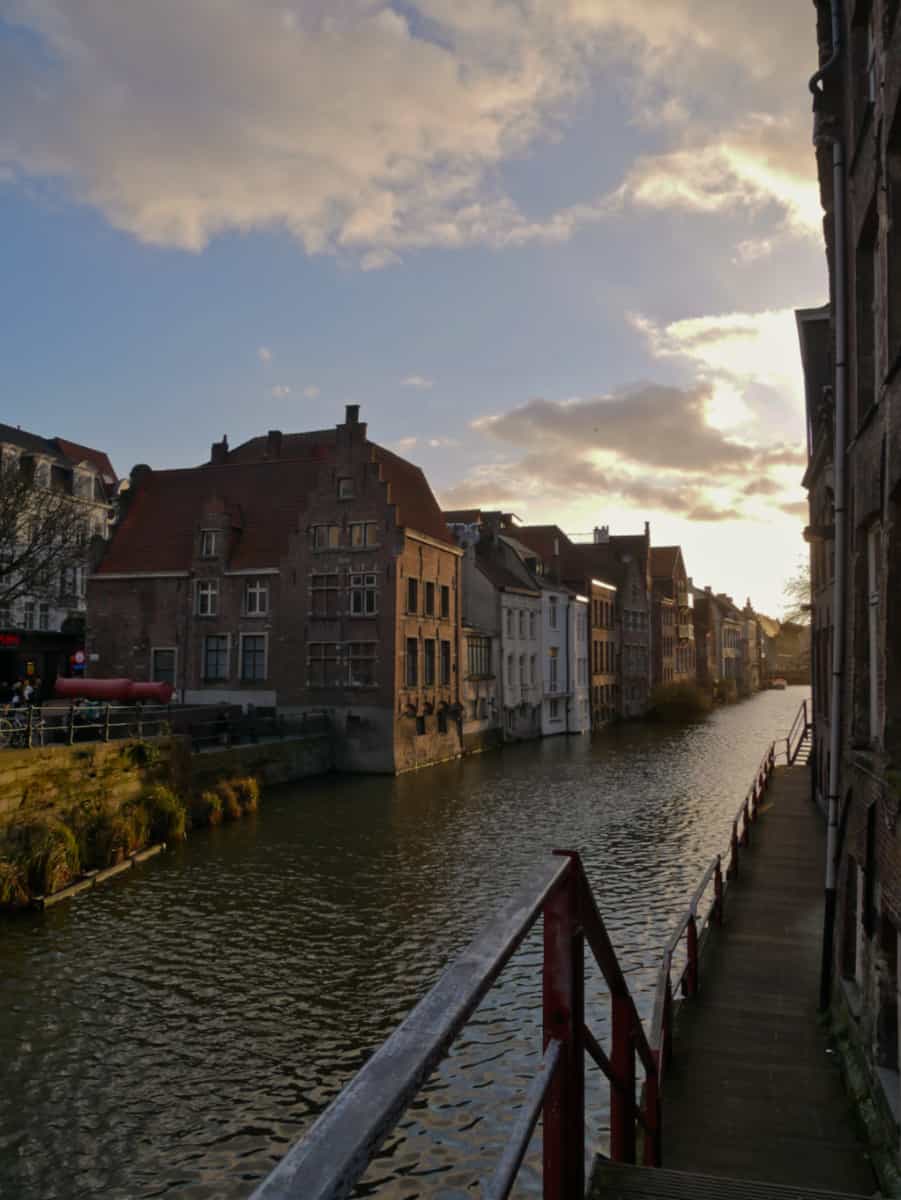
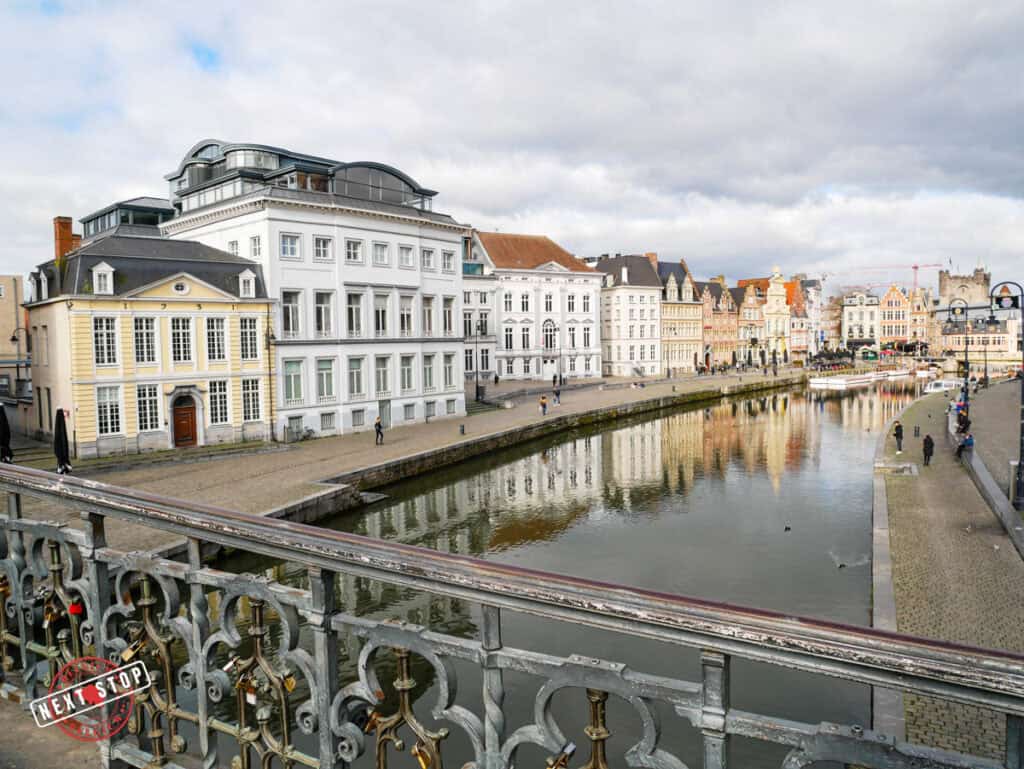
 The Leie River in Ghent as seen from the Zuivelbrug
Logistics and Tips for Your Day Trip
Here’s everything you need to know to make your adventure as smooth and enjoyable as possible.
I’m writing this article for people who’d like to do a DIY visit. If that’s not for you, check out this group tour to Ghent and Bruges. You just have to book it and they’ll take care of everything else.
Getting from Bruges to Ghent and Back to Brussels
First things first: the distance between Bruges and Ghent is short, just about 50 kilometers.
The train is the easiest way to get between the two cities, with frequent departures and a quick 1-hour ride. It’s efficient and affordable, and you don’t have to stress about parking or traffic.
If you’re starting your day in Brussels, aim for the earliest train possible to Bruges. This gives you time to soak up the morning magic in Bruges before catching a train to Ghent by early afternoon.
From Ghent, it’s about 35–45 minutes back to Brussels. Trains run late, so you can enjoy Ghent at your own pace without rushing.
Check out resources like the official Belgian Railways website or mobile app for complete train schedules and tickets.
City passes, like the Bruges Museum Card or the Ghent City Card, can also help you save money and time if you’re planning to visit multiple attractions.
Ideal Timings for Sightseeing
Here’s how to make the most of your day:
- Morning in Bruges: Try to arrive by 8 or 9 AM. This way, you can enjoy the peaceful streets before the crowds arrive. Spend around 4–5 hours exploring the highlights, including Market Square, the canals, and a quick visit to the Basilica of the Holy Blood.
- Afternoon in Ghent: Plan to leave Bruges by 1 PM and arrive in Ghent by 2 PM. Spend the afternoon wandering Gravensteen Castle, St. Bavo’s Cathedral, and the streets along the River Leie. Take your time to enjoy a late lunch, and end the day with a riverside stroll or boat ride. Ghent is more lively, so you will enjoy spending the evening here too.
By breaking up your day like this, you’ll get the best of both cities without feeling rushed.
Essentials for a Comfortable Day Trip
A day trip is no time to lug around a huge bag! Pack light so you can move easily between cities.
Here’s what you’ll need:
- Comfortable shoes: Cobblestones look charming, but they’re hard on your feet. Trust me, comfy shoes are non-negotiable.
- A small backpack or tote: Big enough for your essentials, but not so bulky that it becomes a burden.
- Weather-appropriate clothing: Layers are key! Belgian weather can be unpredictable, so bring a light jacket or umbrella, just in case. Definitely check the weather forecast upfront.
- Snacks and water: It’s always good to have something on hand, especially if you’re on the go between sightseeing.
- Charged phone and portable charger: You’ll want to snap lots of photos and navigate easily, so make sure your devices are powered up.
Best Times to Visit
If you can, avoid visiting on weekends or during peak tourist seasons (like summer). Weekdays are your best bet, as Bruges and Ghent tend to be quieter, especially in the mornings.
Spring and early fall are ideal times to visit, the weather is pleasant and the crowds are thinner.
Brussels to Bruges
Catching the Train
- Departure Stations: You can board a direct train to Bruges from several major stations in Brussels, including Brussels-Midi (Brussel-Zuid), Brussels-Central (Brussel-Centraal), and Brussels-North (Brussel-Noord).
- Frequency: Direct trains to Bruges depart approximately every 20 minutes.
- Best Departure: While the first train leaves around 6 AM, I recommend the one around 7.30 AM that will bring you to Bruges at 8.30 AM.
Ticket Information
- Pricing: A standard one-way ticket (age 26-64) from Brussels to Bruges costs €18. Weekends see a 30% discount.
Pro tip: buy a train+ subscription for a month for €6 and never pay more than €14 for a single journey + get a 40% discount during off-peak travel.
Journey Details
- Duration: The train ride takes about 1 hour and 7 minutes.
- Arrival Station: You’ll arrive at Bruges (Brugge) Station, which is a short bus ride or a pleasant 20-minute walk to the city center.
Morning: Exploring the Fairytale Charm of Bruges
Once you arrive in Bruges, the streets are still quiet and the early light makes everything look golden. It’s the best time to see the city before the tour groups arrive..
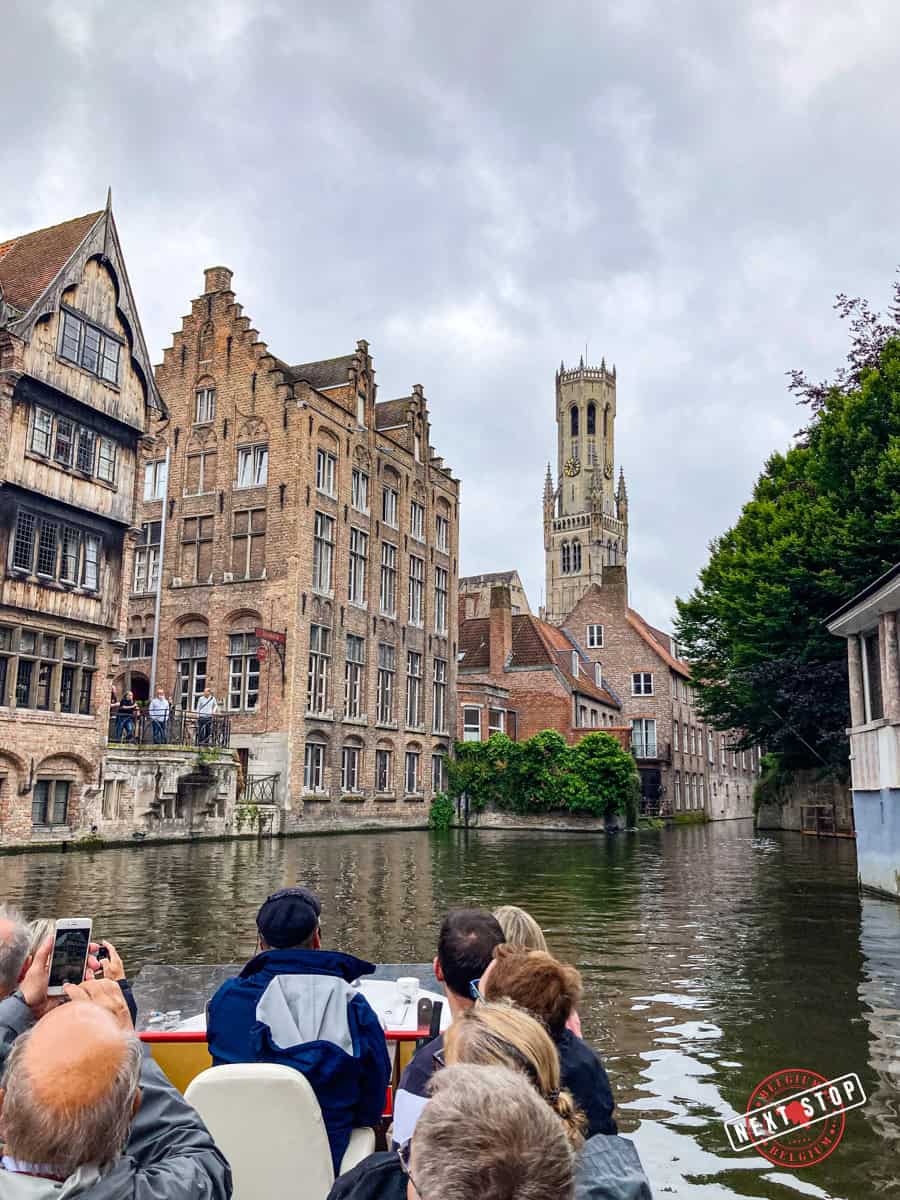
1st stop: Rozenhoedkaai
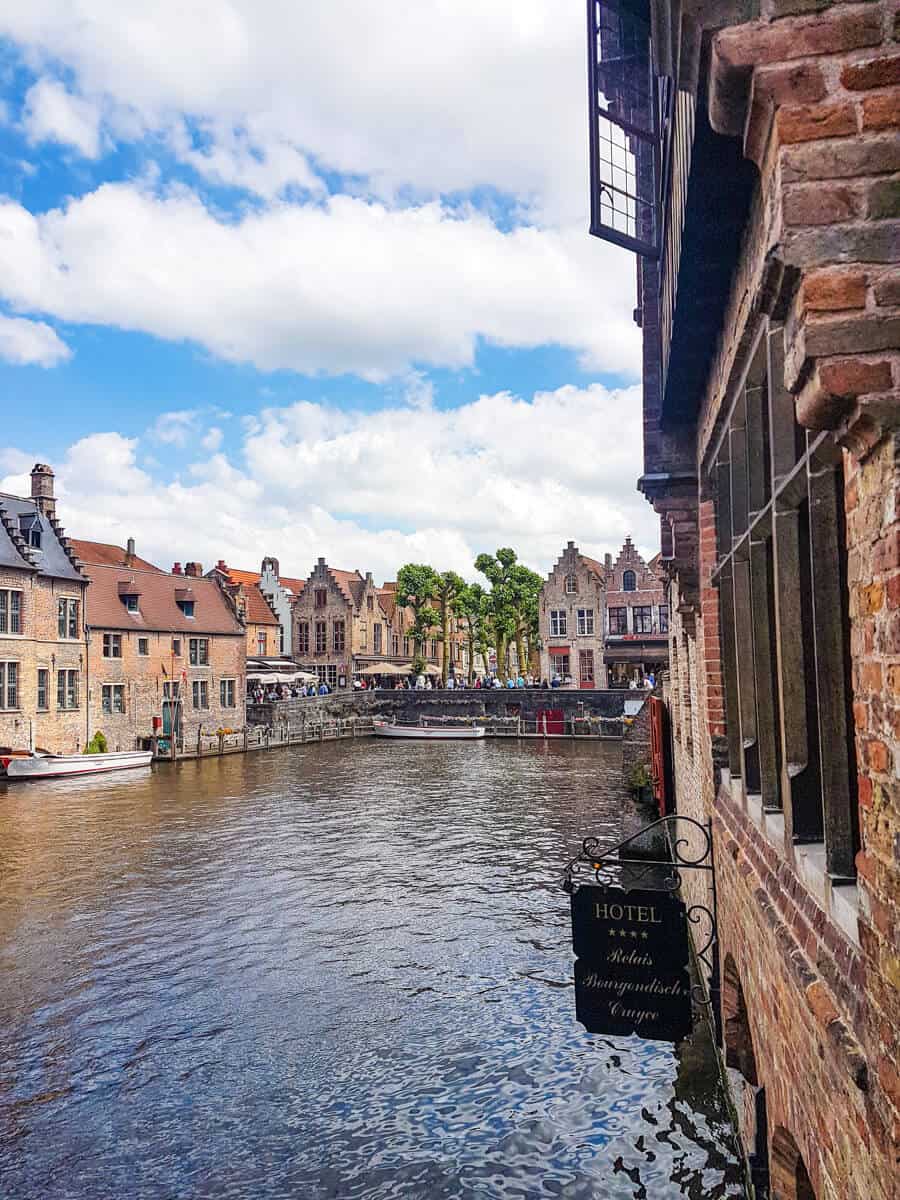
From the station, walk through Oostmeers street until you reach the historic center, then continue to Rozenhoedkaai (Rosary Quay).
It’s probably the most-photographed spot in Bruges, and for good reason: the view of the canal with the rooftops behind it is genuinely beautiful.
That’s exactly why you want to be here at 9 AM, before the crowds show up and the place is packed with people holding up their phones.
2nd stop: Market Square (Grote Markt)
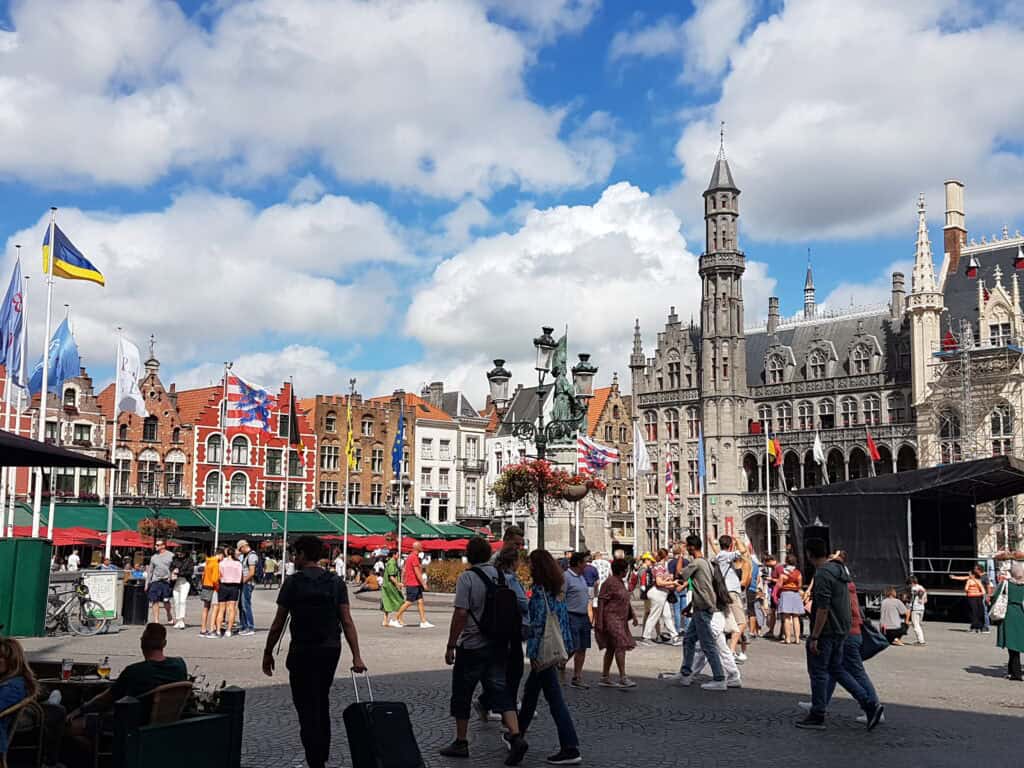
Make your way to the Market Square.
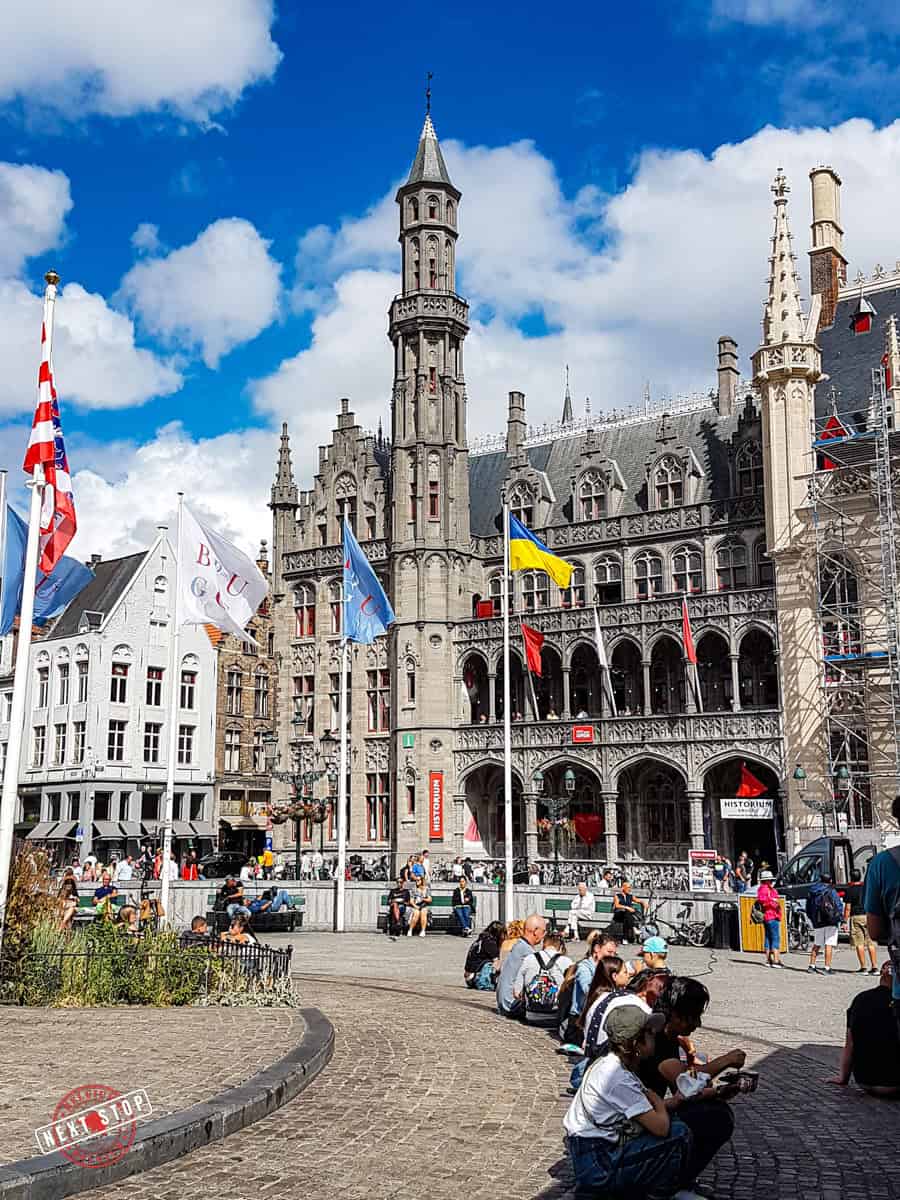
The medieval guild houses, the Belfry towering over the square, and the occasional horse-drawn carriage give the place a very particular atmosphere.
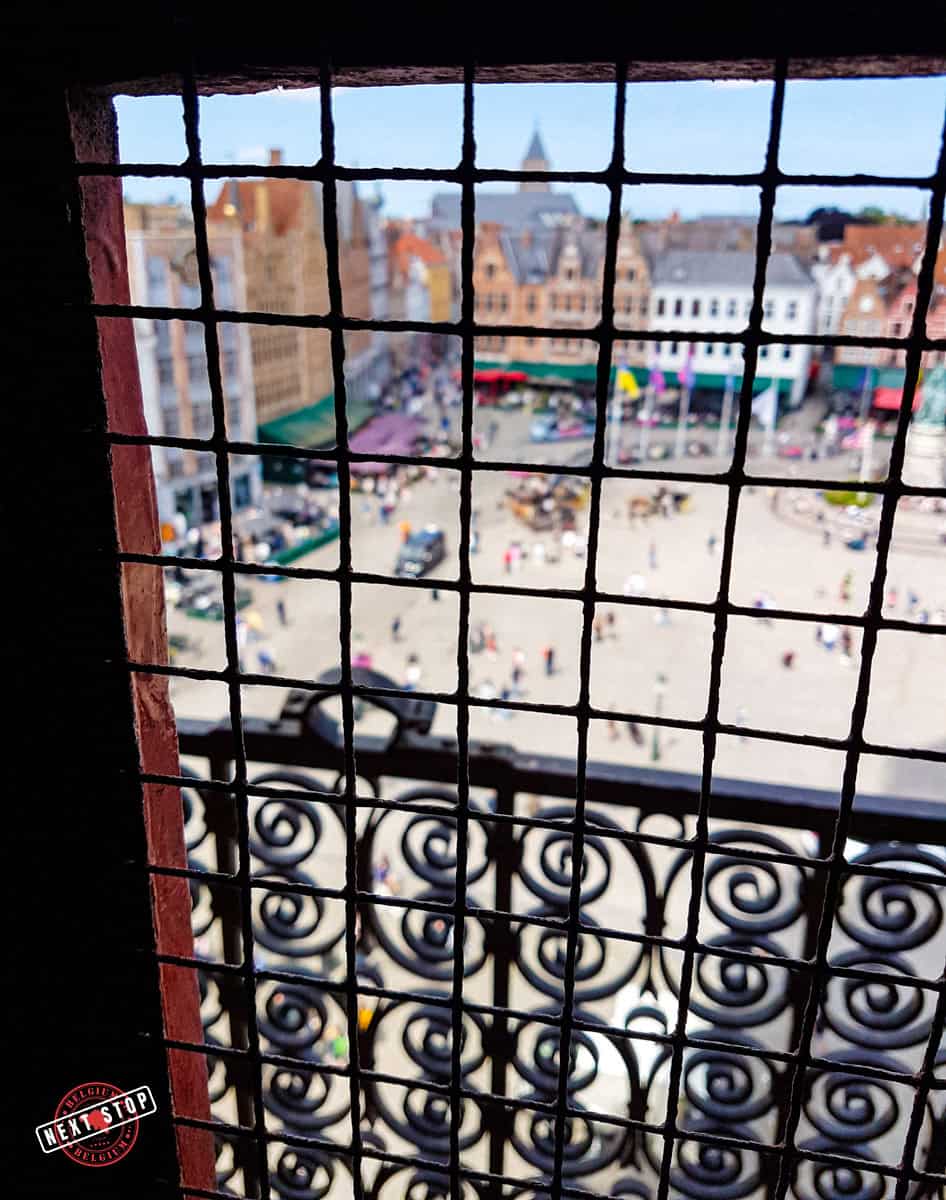
If your legs are up for it, climb the Belfry; the view from the top is worth it, though fair warning, it’s a workout.
And don’t skip Historium, it’s one of my favourite things to do in Bruges and well worth a visit even if you only have half a day.
👉 Buy your skip-the-line tickets for the Historium here

3rd stop: Basilica of the Holy Blood
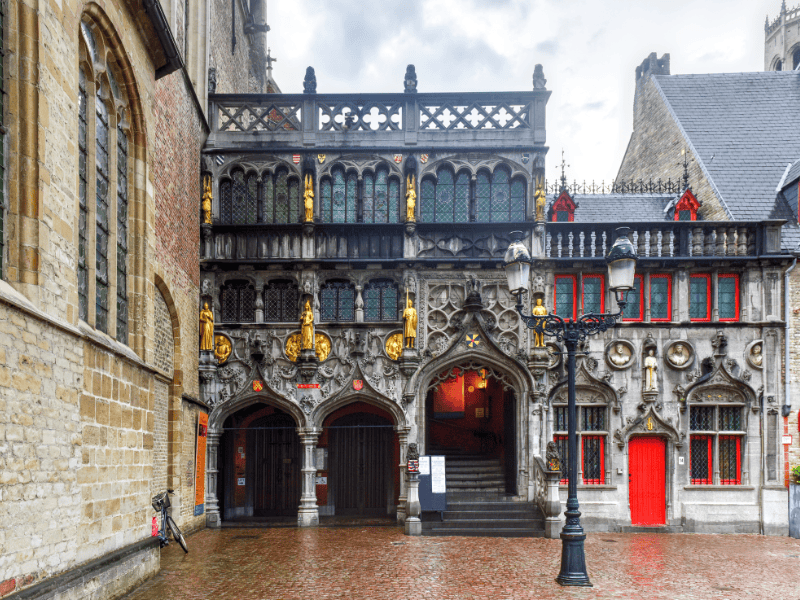
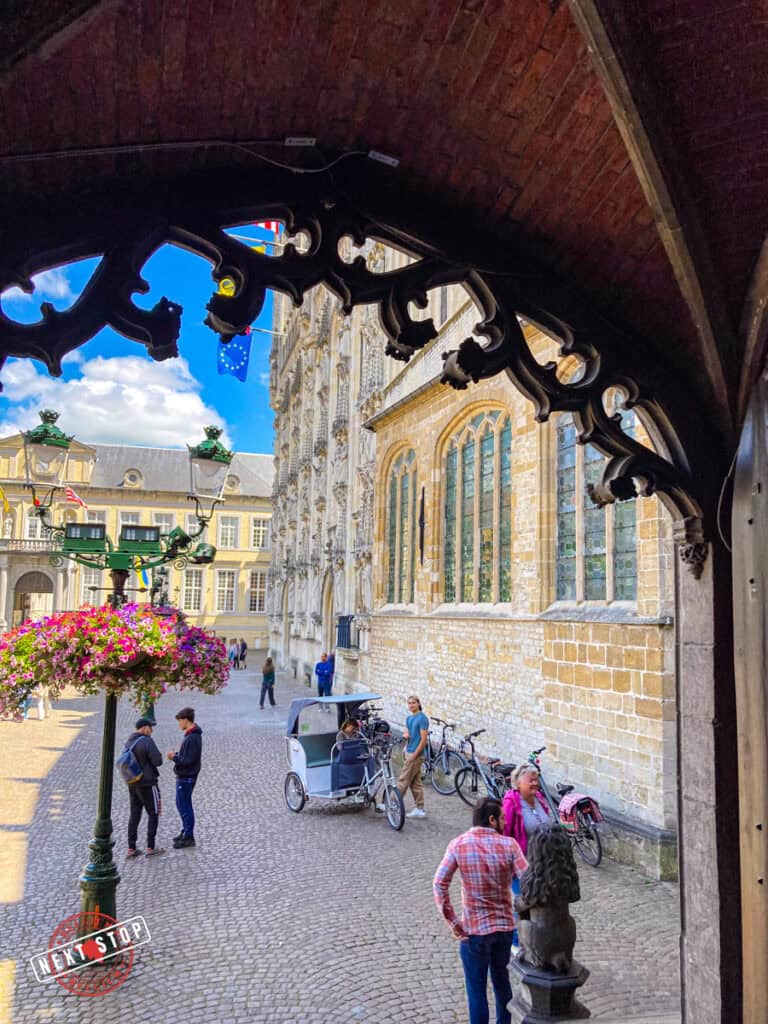
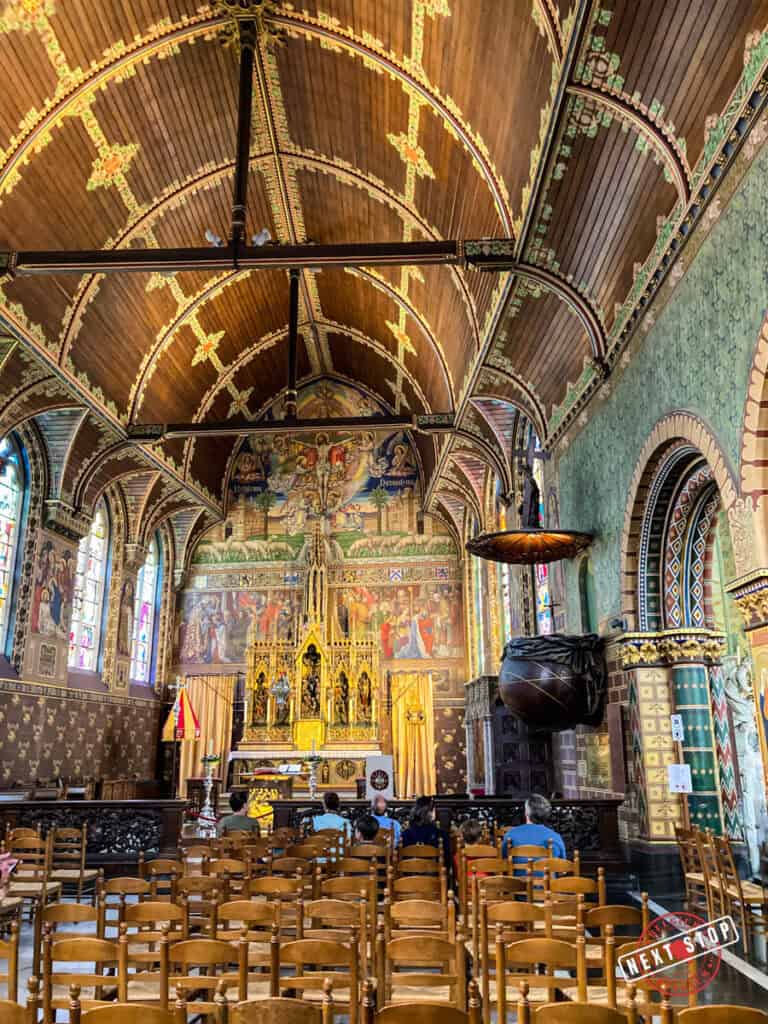
Next, head to the Basilica of the Holy Blood. It’s a small church, but the detail inside is striking and worth a slow look around.
It also houses a vial said to contain a few drops of Christ’s blood; whether you’re religious or not, the history behind it is hard not to find interesting.
Beguinage and minnewater park
From the Basilica, it’s a short walk south to two of Bruges’ quieter spots.
The Beguinage (Begijnhof) is a walled convent complex dating back to the 13th century, home to a small community of Benedictine nuns today. Step through the gate and the noise of the city just disappears; it’s all whitewashed facades, a small courtyard, and ducks wandering across the grass.
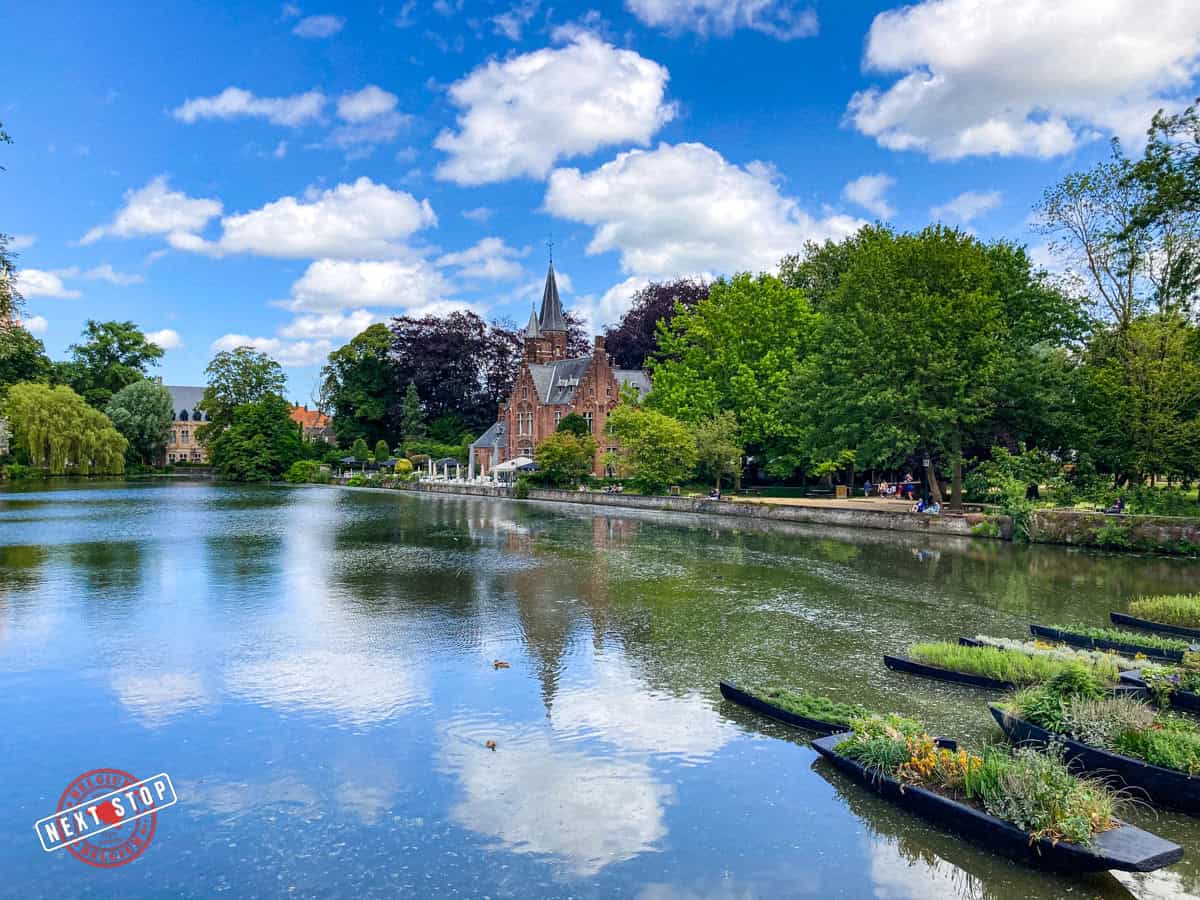
Right next door, Minnewater Park sits around a calm lake that the locals call the Lake of Love. It’s a lovely place to slow down for a few minutes, watch the swans drift past, and catch your breath before the afternoon in Ghent.
A Sweet End to the Morning
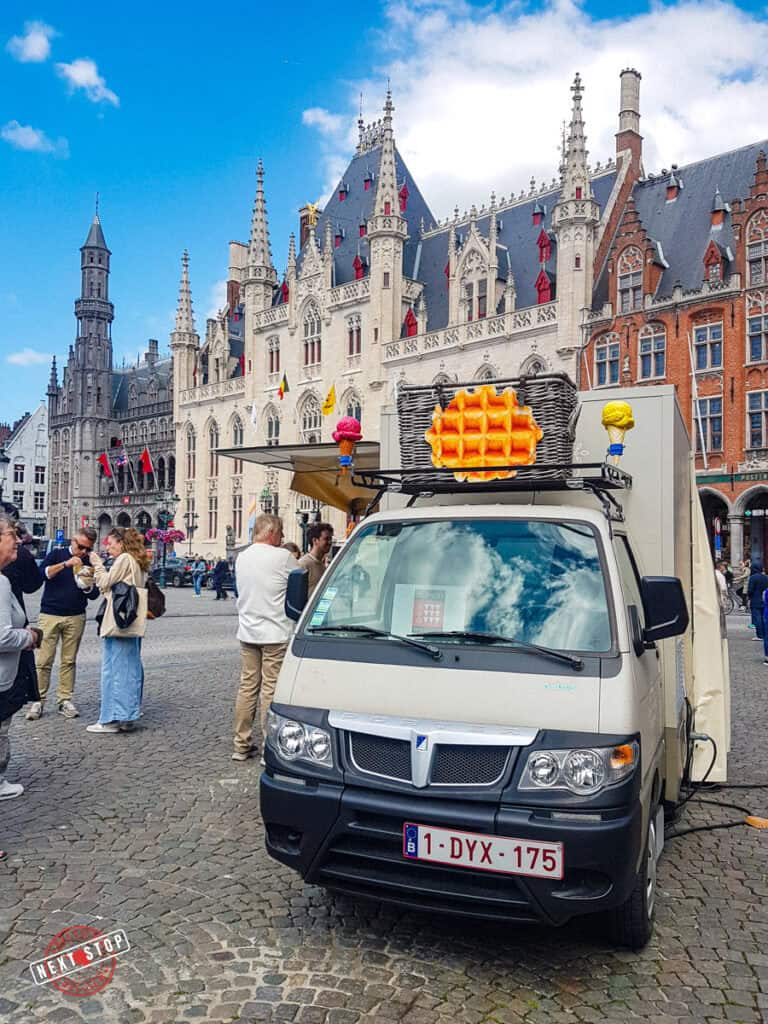
Before you leave Bruges, grab a quick bite! You can’t visit Belgium without trying a warm, fluffy waffle. There are plenty of little stands and cafes where you can pick one up.
If you want to do it the Belgian way, go for a plain one. But if you’re feeling indulgent, load it up with whipped cream, fruit, or a drizzle of rich Belgian chocolate. These sweet delights are the perfect fuel for your adventure.
And that’s Bruges for the morning; short but sweet. With your heart (and stomach) full, it’s time to head to Ghent for the second half of your day.

Bruges to Ghent
Catching the Train
- Departure Stations: Board at Bruges (Brugge) Station, the main train station in Bruges.
- Frequency: Trains to Ghent run frequently, with approximately 5 trains per hour.
Ticket Information
- Pricing: A standard one-way ticket from Bruges to Ghent costs € 8,40. Weekends see a 30% discount.
Pro tip: buy a train+ subscription for a month for €6 and never pay more than €14 for a single journey + get a 40% discount during off-peak travel.
Journey Details
- Duration: The train ride takes about 25 minutes, making it a quick trip to Ghent.
- Arrival Station: You’ll arrive at Gent-Sint-Pieters Station. From there, it’s a quick tram ride (Line 1) or a pleasant 30-minute walk to the city center.
Afternoon: The Dynamic Vibes of Ghent
After a peaceful morning in Bruges, it’s time to turn up the energy with an afternoon in Ghent.
The vibe here is livelier and a little edgier. You’ll feel the contrast as soon as you arrive.
Fuel Up with a Late Lunch
By now, you’re probably hungry, and Ghent’s food scene won’t disappoint!
Stop by a local brasserie or cafe for a hearty bowl of Gentse waterzooi, a creamy stew made with chicken or fish. It’s a local favorite and the perfect pick-me-up after all that walking.
Or, if you’re craving something lighter, try a plate of fresh mussels with fries, another typical Belgian dish. Whatever you choose, it’s bound to hit the spot and keep you energized for the rest of the day.
1st stop: St. Bavo’s Cathedral
Get off the tram at stop Korenmarkt and make your way to St. Bavo’s Cathedral. This masterpiece of Gothic architecture is one of Ghent’s most famous landmarks.

But the real treasure lies inside: the Adoration of the Mystic Lamb. This painting by the Van Eyck brothers is one of the most famous works of art in the world (+ one of the most famous unsolved art theft cases in Belgian history). Even if you’re not an art buff, you’ll be blown away by the detail and storytelling in this piece.
The cathedral itself is breathtaking too, with its high ceilings, intricate stained-glass windows, and an atmosphere that feels both grand and peaceful.
2nd stop: Graslei and Korenlei
After soaking up some history and art, it’s time to slow things down with a stroll along Graslei and Korenlei, two beautiful streets lining the River Leie.
This is the heart of Ghent’s charm, where historic buildings, cozy cafes, and the sparkling water create a postcard-perfect scene. Find a spot by the river to sit and watch the world go by, or grab a drink at one of the many riverside terraces.
If you’re feeling adventurous, hop on a boat tour for a fresh perspective of the city. The gentle motion of the water, paired with Ghent’s architecture, is pure magic.
3rd stop: Gravensteen Castle
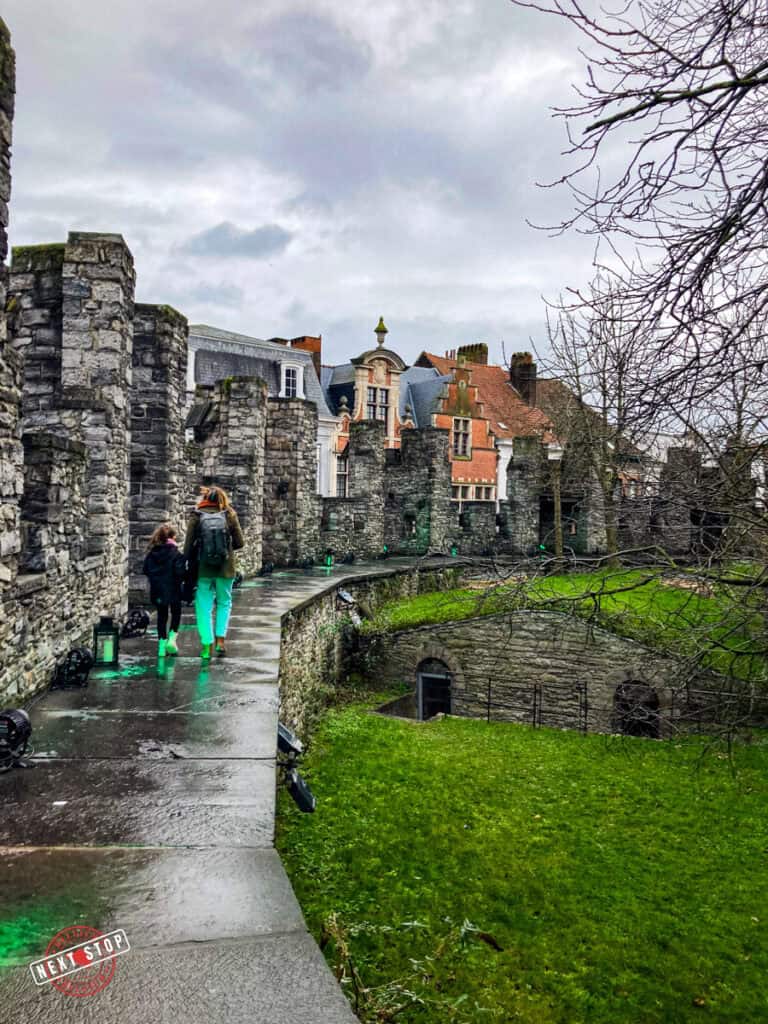
Next up is a visit to Gravensteen Castle, also known as the Castle of the Counts.

This isn’t just any castle; it’s a full-on medieval fortress right in the middle of the city. Picture towering stone walls, a moat, and tales of knights and nobility.
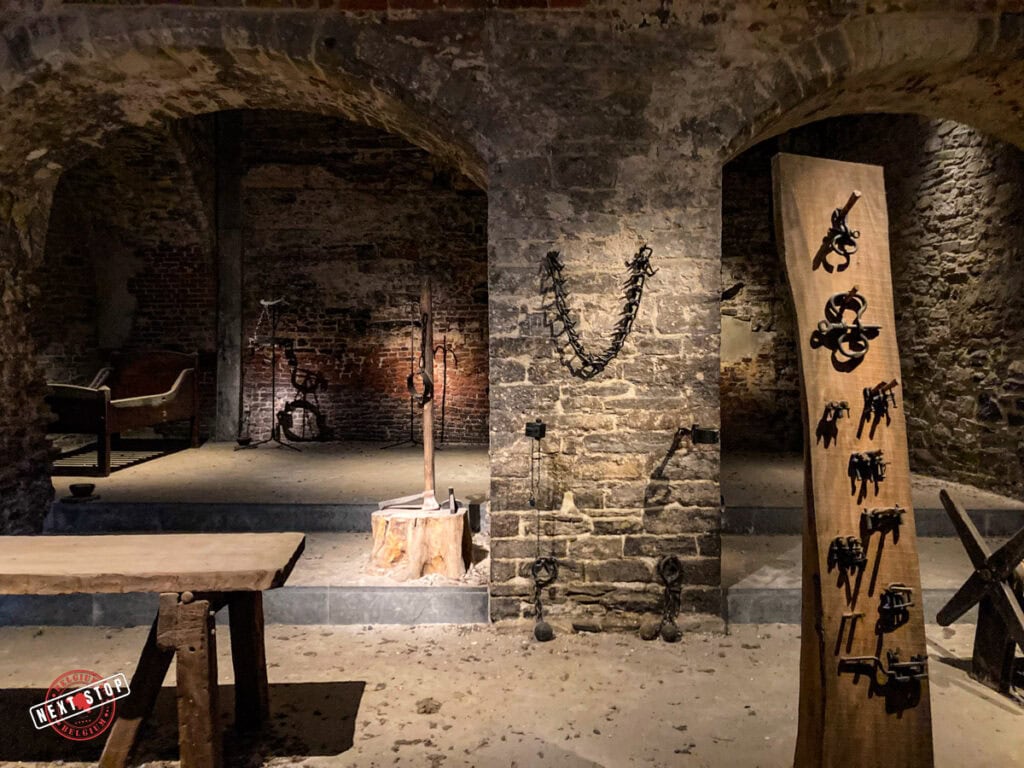
You can explore the inside and get a feel for what life might have been like in the Middle Ages. Take your time exploring the castle’s interior, from the grand halls to the more chilling displays of medieval weaponry and torture devices.
The rooftop views are amazing, so don’t skip them! It’s a great way to take in the beauty of Ghent from above.
Tip: Book your tickets in advance during high season (summer + Christmas), otherwise you risk having to wait for a couple of hours.
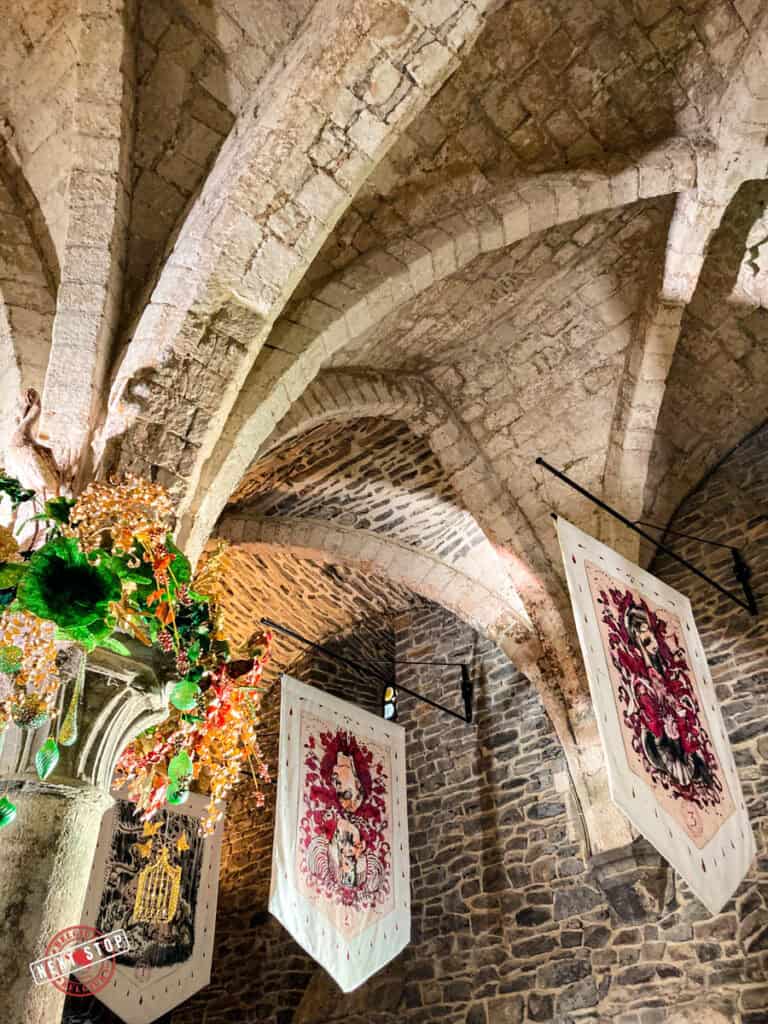

As the afternoon winds down, take a little time to just wander the streets of Ghent. Peek into unique shops, admire the street art, or simply sit in a square and soak in the lively atmosphere.
Ghent to Brussels
Catching the Train
- Departure Stations: You can take the tram back to Gent-Sint-Pieters Station, the main railway hub in Ghent. Alternatively, you can also walk to Gent Dampoort, which is closer but you’ll have to switch trains.
- Frequency: Trains to Brussels run frequently, with approximately 4 trains per hour.
- Last Departure: The last train leaves at 11:48 PM.

Ticket Information
- Pricing: A standard one-way ticket from Ghent to Brussels costs € 11,40. Weekends see a 30% discount.
Journey Details
- Duration: The quick ride takes about 35 minutes.
- Arrival Station: Trains arrive at several major stations in Brussels, including Brussels-Midi (Brussel-Zuid), Brussels-Central (Brussel-Centraal), and Brussels-North (Brussel-Noord).
Frequently Asked Questions
Final thoughts: Is it worth it to Visit Bruges and Ghent in One Day?
Bruges and Ghent are only 30 minutes apart by train, but they feel like completely different cities.
Bruges is polished and pretty, built around its canals and medieval center, but make no mistake, it gets very busy and is one of the most visited cities in Europe.
Ghent has plenty of tourists too, but they get absorbed into a city that’s still very much alive with locals and students, which gives it a different feel altogether.
Seeing both in one day gives you a genuinely good sense of what Belgium has to offer beyond Brussels.
It is a full day and you will do a lot of walking, so don’t expect to linger everywhere.
And honestly, both cities have so much more to offer than what you can cover in a few hours; this itinerary is really just scratching the surface. If you can at all manage it, I’d strongly recommend spending at least a full day in each.
But if one day is all you’ve got, it’s absolutely doable and worth it.
BELGIUM TRAVEL PLANNING RESOURCES
Getting to Belgium: Fly into one of the main international airports: Brussels Airport (BRU) or Charleroi Brussels South Airport (CRL). Take an international train to Brussels South Station. Or take a ferry to Dover or The Netherlands, then drive or take the train to Belgium.
Getting Around: For the major destinations, the train is by far the best option. You can book your train tickets here. If you’d like to visit smaller places, the most convenient way would be to rent a car. We always use Discover cars, they compare all the rental companies and give you the best rates.
Accommodation: Booking.com is the most popular accommodation platform in Belgium. It’s what I use every single time.
Guided tours: Use Get Your Guide or Viator to find fun tours in Brussels, Bruges, Ghent and Antwerp. Or Guruwalk to find free walking tours in multiple destinations.
If this helped you plan your adventure, a coffee would go a long way in fueling my next guide! 😉
