What No One Tells You About Driving in Belgium (Until It’s Too Late)
This article may contain affiliate links. This means we receive a small commission whenever you book or purchase something through our links (at no extra cost to you!). You can find more information in our disclaimer.
Is driving in Belgium something you want to try on your next trip? You’ve come to the right place!
I was born and raised in Belgium, which means I’ve got nearly 20 years of driving experience in my home country and I can guarantee that it’s a safe and easy country to discover by car.
While I would recommend visiting the major tourist cities such as Brussels, Antwerp, Ghent, and Bruges by train, there are so many places that you’d miss out on if you don’t have your own wheels.
Can You Drive to Belgium?
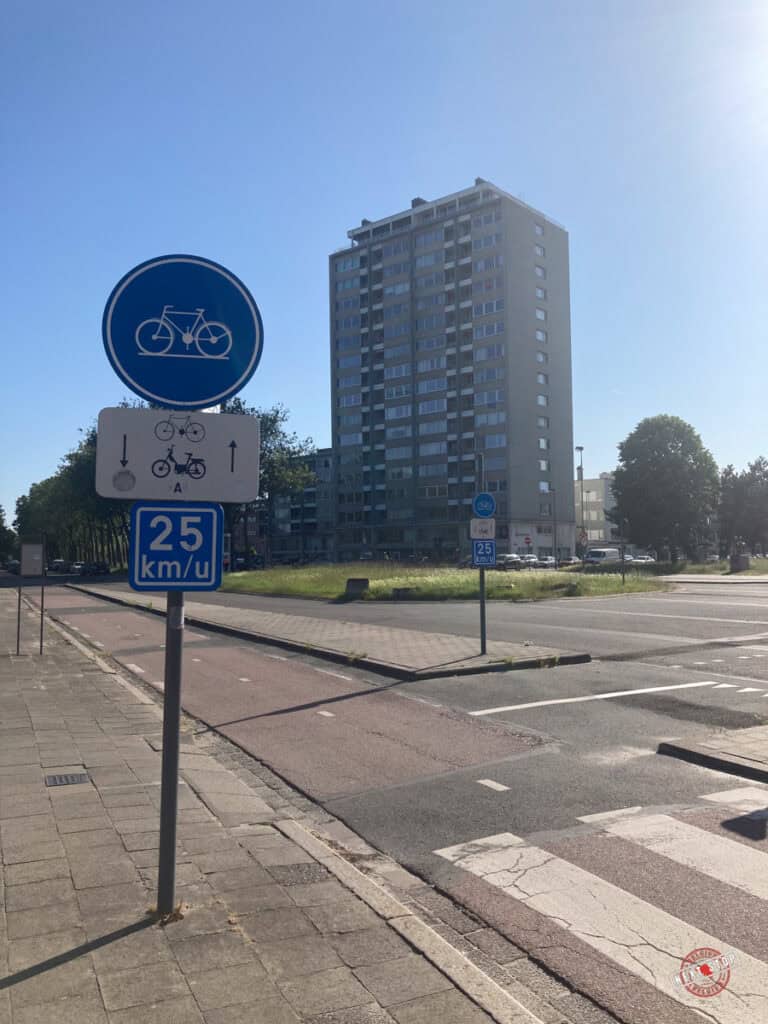
Absolutely! Belgium is one of Europe’s most accessible countries by road.
It’s part of the Schengen Area, meaning there are no hard border controls when entering from another Schengen country. This makes driving in from countries like France, Germany, the Netherlands, or Luxembourg easy.
However, you should still carry essential documents like your passport or ID card at all times.
Things You Should Know About Driving in Belgium
Driving in Belgium seems simple on the surface, roads are well-maintained, and signage is clear. But hidden rules and unique quirks can turn your road trip into a bumpy ride if you’re not prepared.
To help you avoid those “if only I’d known” moments, here’s everything you need to know before getting behind the wheel in Belgium.
1. The Right Side of the Road and the Tricky Priority Rule
Belgians drive on the right-hand side of the road, which is standard for most European countries. But here’s the kicker: the priority-to-the-right rule can surprise even seasoned drivers.
This means cars entering an intersection from the right have the right of way unless road signs indicate otherwise.
While this rule might seem straightforward, it can be confusing for drivers used to stop signs or traffic lights regulating priority.
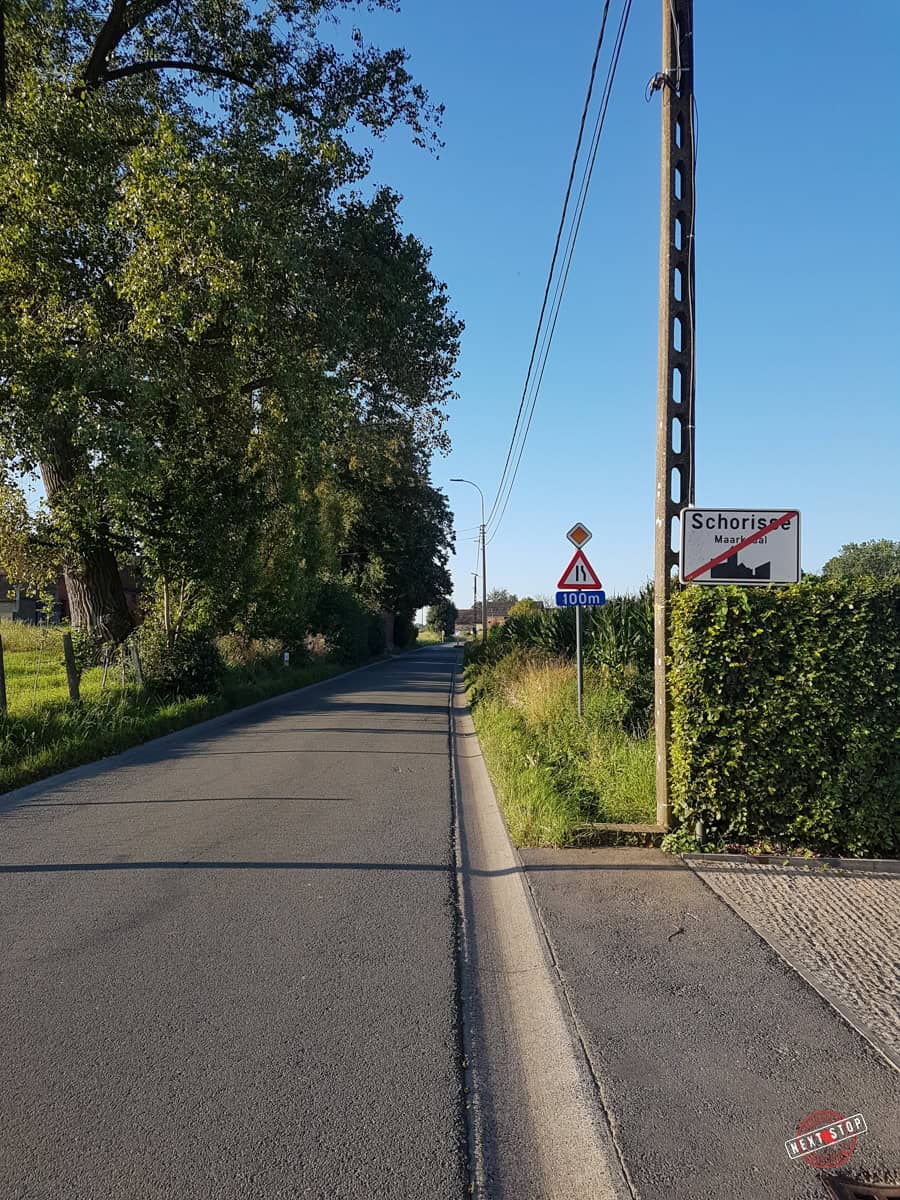
Look out for the yellow diamond sign that indicates you have priority and the white diamond with a black slash signalling the end of that priority. Alternatively, come across “shark teeth” (a row of triangles) on the street? That means you need to give way.
Be especially cautious in rural areas or residential zones, where this rule is strictly enforced.
2. Essential Items Every Car Must Have
Belgium takes car safety seriously, and there are specific items you must have in your car at all times. These include:
- High-visibility vest: This must be within reach (not in the trunk) and worn if you exit the car on a highway.
- Warning triangle: Essential for signaling emergencies or breakdowns.
- First-aid kit: Required to handle minor injuries.
- Fire extinguisher: A working fire extinguisher is a legal requirement.
Failing to carry these could result in fines if stopped by police. And if you’re in an accident without them, expect even bigger penalties.

3. Foreign Licenses: What Works, What Doesn’t
If you’re from the EU, your driver’s license is valid in Belgium. Visitors from non-EU countries, like the US, can also drive with their licenses.
However, some car rental companies require an International Driver’s Permit (IDP) as an additional form of identification.
Avoid last-minute hassles by confirming your rental company’s policy before arriving. If your trip involves crossing into neighbouring countries, make sure your license and any necessary permits are valid there, too.
4. Speed Limits: Staying in the Safe Zone
Belgium’s speed limits are strictly enforced, and violations can lead to hefty fines:
- Highways: 120 km/h
- Regional roads: 70 km/h (Flanders) / 90 km/h (Wallonia)
- Urban areas: 50 km/h
- Residential zones: 30 km/h
Speed cameras are everywhere, both fixed and mobile, and they’re not always clearly marked. Exceeding the speed limit by 40 km/h or more can lead to immediate license suspension, so always keep an eye on the speedometer!

5. Belgian Beers vs. Blood Alcohol: A Risky Match
Belgium is famous for its beers, but drinking and driving don’t mix here. We have a strict 0.05% blood alcohol limit, lower than in many other countries.
For professional drivers, the limit is even stricter at 0.02%. Even one beer could push you over the limit, so it’s best to avoid drinking if you’re driving.
Random roadside checks are common, especially during holidays, so don’t risk it. Penalties for exceeding the limit range from fines to license suspension or even jail time for serious violations.
TIP: 0% alcohol beers are becoming more and more popular. You can still have great Belgian beer and drive safely.

6. Tolls Are (Almost) Non-Existent
Unlike many European countries, Belgium’s motorways are free for cars under 3.5 tonnes. The main exception is the Liefkenshoektunnel near Antwerp, which charges a toll.
For trucks and vehicles over 3.5 tonnes, you’ll need to register for the ViaPass system, which charges tolls based on mileage. If you’re driving a large rental vehicle, confirm whether the toll is included in your rental agreement.
7. Don’t Get Caught in Low-Emission Zones
Brussels, Antwerp, and Ghent have established Low-Emission Zones (LEZs) to reduce pollution. Vehicles that don’t meet the minimum emission standards are either restricted or banned from entering these zones.
If you’re driving your own car, make sure to register your vehicle online. This is free of charge, but failure to comply can result in fines of up to €350.
Rental cars are usually compliant, but it’s always worth double-checking.


8. Parking is a Puzzle
Parking in Belgium can be tricky, especially in urban areas where spaces are limited. In most towns, there’s paid parking in the center, so keep an eye out for any signs related to paid parking.
Some general parking rules to keep in mind:
- Park in the right direction: It’s illegal to park your car facing oncoming traffic on a two-way road. It feels harmless, but it’s a no-go here, so make sure your car is parked with the flow of traffic.
- Yellow lines are off-limits: If you see a yellow line painted on the curb, keep moving. Parking there is a surefire way to get fined—or worse, towed.
- Mind the bus and tram stops: Don’t park less than 15 meters from a bus or tram stop. These areas need to remain clear for public transport.
- Leave space at crosswalks: Provide at least 5 meters of clearance between your car and a pedestrian crossing to keep things safe and visible for everyone.
- Respect spacing between cars: When parking between two vehicles, leave at least 1 meter of space. It’s polite, it’s practical, and everyone has room to manoeuvre.
If you’re looking for free parking, Belgium has these handy blue zones. You’ll need a blue parking disc, which you can grab at petrol stations, police stations, or supermarkets.
Pop it on your dashboard, set the time, and you’re good to go, but only for a limited time (typically 2 hours), so keep an eye on the clock.
For those with disabilities, Belgium offers plenty of parking spaces specifically for European blue card holders. Just make sure the space isn’t reserved for a specific car or person, that’s usually marked on a sign.
And honestly, if you’re in a busy city like Brussels, Antwerp or Ghent, paid parking garages might be your best friend. They come at a cost, but they save you the headache of circling around looking for a spot.
Alternatively, you can find a park+ride parking lot at the edge of the city and take public transport to get to the center.

9. Understanding Belgian Road Signs
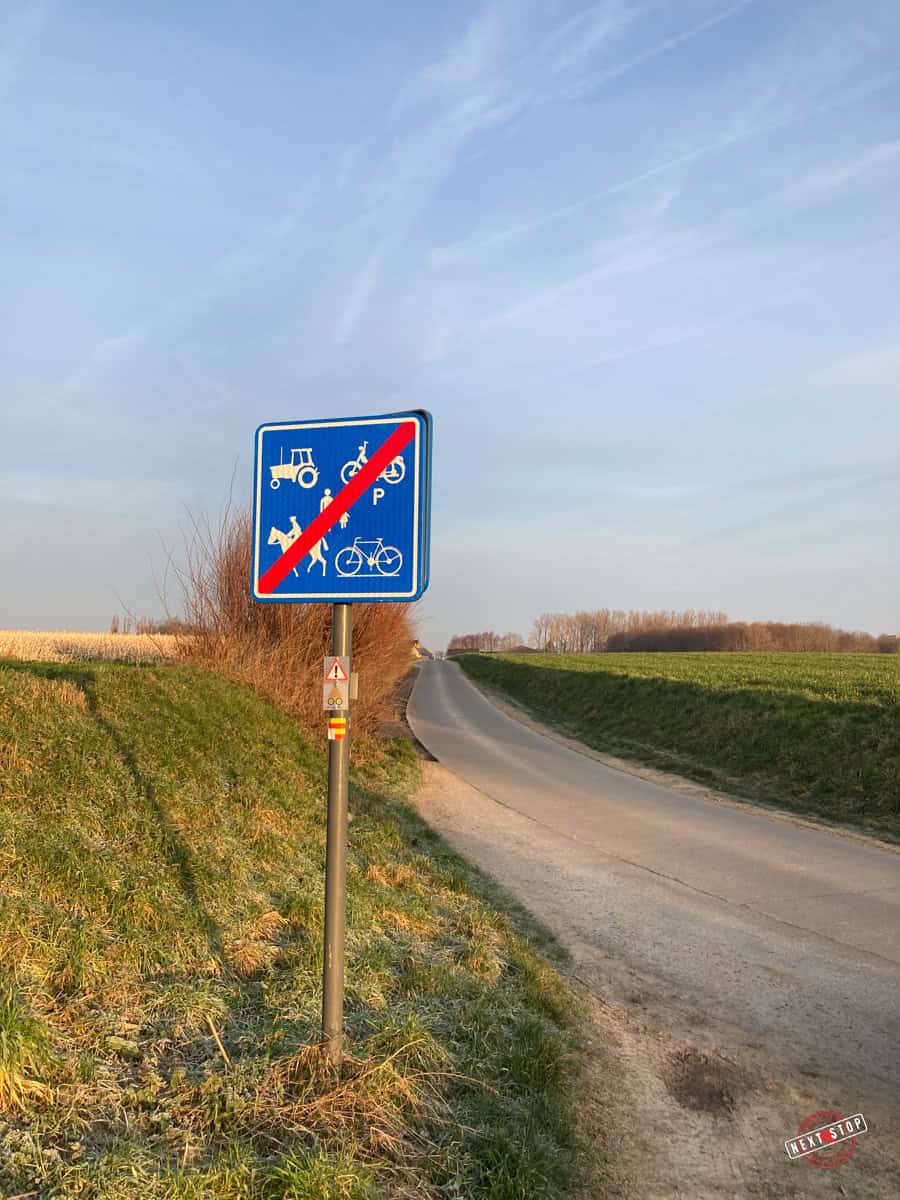
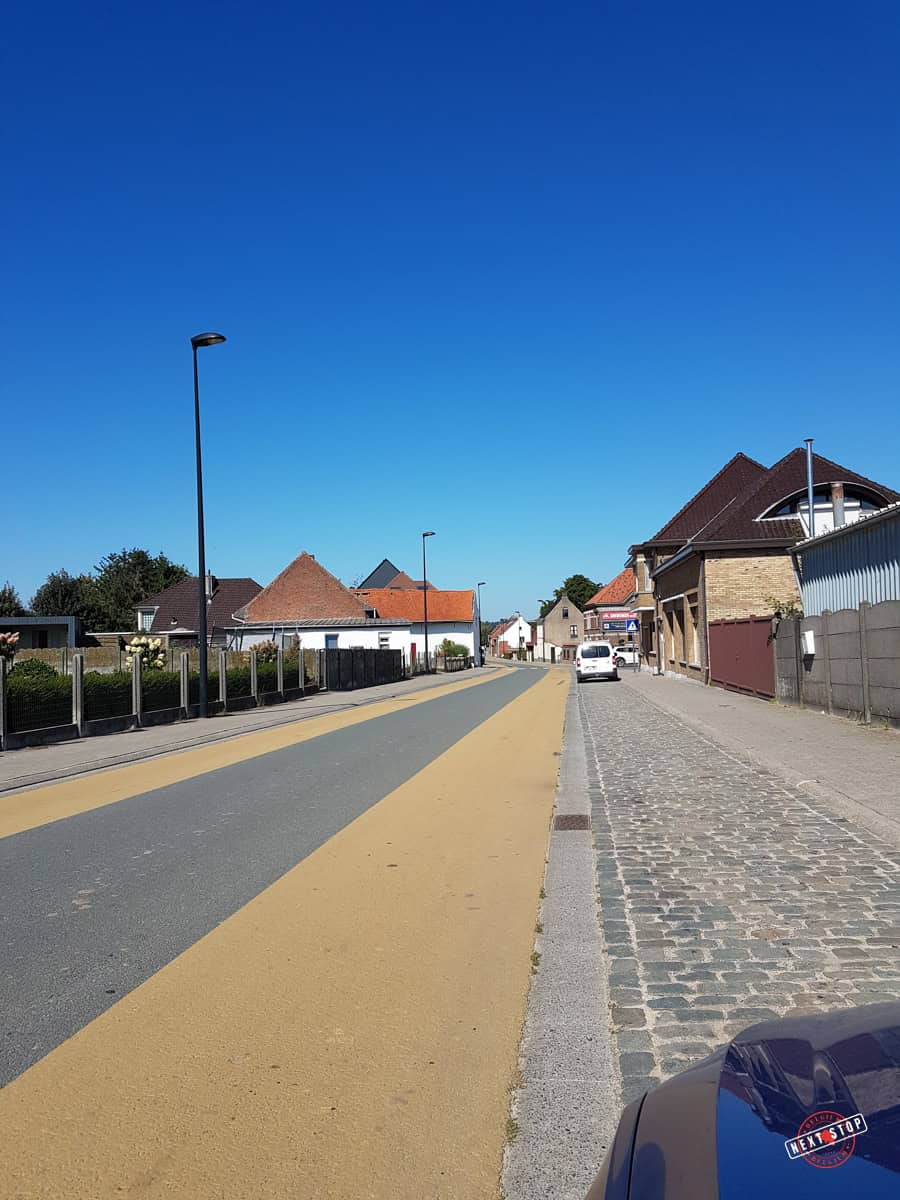
Belgium’s road signs are fairly intuitive, but a few might throw you off, especially in areas with heavy traffic or complex intersections.
Apart from the Priority Signs mentioned above, understand these road signs for safe and stress-free driving:
👉🏻 Mandatory Direction and Restrictions
- Blue circle with white arrow: This shows the mandatory direction you must follow, such as a one-way street or a specific lane direction.
- Red circle with a white background: This indicates “no entry” or restrictions on certain types of vehicles (e.g., trucks, motorcycles).
👉🏻 Environmental Signage
- Green circle with a car icon and text: Marks an LEZ and indicates whether your vehicle is allowed to enter.
👉🏻 Parking Signs
- Blue circle with a red slash or cross: These indicate no parking or no stopping zones, respectively. A single slash means you can stop briefly but not park, while a cross means stopping is prohibited entirely.
- Time-limited parking in blue zones: In areas with a blue parking disc symbol, you’ll need to display a parking disc to indicate your arrival time.
👉🏻 General Warning Signs
- Red triangle with an exclamation mark: This is a catch-all warning sign, meaning something unusual or hazardous lies ahead.
- Red triangle with a child symbol: This signals a school zone or an area where children are likely to be present. Slow down, especially during school hours, and be ready to stop at pedestrian crossings.
If a sign isn’t immediately clear, reduce your speed until you understand its meaning.
10. Roundabouts: The Give-and-Take Traffic Dance
Belgium follows a give-way-to-the-left system for roundabouts. This means vehicles already in the roundabout have priority, and drivers approaching the roundabout must yield.
Keep an eye out for the triangular yield signs (inverted red triangle with a white centre) at the entry points, this is your reminder to stop if necessary and wait for a gap.
Two-lane roundabouts trip up a lot of foreign drivers, so it’s worth understanding how they work before you encounter one. When you approach, the right lane takes the outer circle and the left lane takes the inner circle. Here’s the part that surprises most people: if you’re on the inner (left) circle and want to exit, you have to give way to traffic on the outer (right) circle. That’s the opposite of what drivers from many other countries are used to.
The practical advice is simple: if you’re not sure you can exit safely from the inner lane, just do an extra loop. It takes ten seconds and avoids a potential collision. And if you know you’ll be exiting soon, move to the right lane before you enter the roundabout rather than trying to cross lanes on it.
11. Know the Magic Number
Belgium’s emergency number is 112, which covers police, fire, and medical services. For vehicle breakdowns, you’ll need to contact your car rental company’s roadside assistance or your personal insurance provider.
If you’re on a motorway, emergency phones are placed at regular intervals and can connect you to local services.
12. The Unwritten Rules of Belgian Roads
Driving in Belgium is generally a smooth experience, but understanding local habits and expectations can make it even better.
Belgian drivers are generally polite but assertive. Here are some etiquette and cultural tips to help you blend in:
- Use your turn signals religiously. Lane changes without signalling can provoke sharp reactions.
- Don’t linger in the left lane on highways, it’s strictly for overtaking.
- Watch for cyclists in cities. They often have dedicated lanes but can also share roads in busier areas.
- Pedestrian crossings are sacred in Belgium. Drivers are expected to stop for pedestrians at zebra crossings even if there’s no traffic light.
- Driving in city centres like Brussels, Antwerp, or Ghent requires a bit more patience. Roads can be narrow, and you’ll often encounter trams, cyclists, and pedestrians all sharing the space. Trams, in particular, have priority over cars and don’t stop for long, so avoid blocking their path.
- Do you encounter a rectangular sign with a bike? This means the street you’re driving in gives priority to bicycles and you can’t pass them!
- Belgian drivers are generally calm, but like anywhere, frustrations can flare. Avoid aggressive gestures or tailgating, as these can escalate situations unnecessarily. A simple wave of thanks when someone lets you merge or gives way goes a long way in maintaining good road manners.


13. Adapting to Belgium’s Diverse Roads
Belgium’s roads range from busy city streets to lovely countryside routes. Highways are well-maintained, but smaller rural roads can be narrow and poorly lit at night. Watch for uneven surfaces, especially in older towns.
If you’re driving in winter, be prepared for icy conditions, particularly in the Ardennes region. Snow tires are not mandatory but highly recommended during cold months.
The Road to Discovering Belgium
Driving in Belgium unlocks the freedom to explore the country’s diverse landscapes and cultural landmarks at your own pace.
By understanding the rules, preparing your vehicle, and staying aware of local customs, you’ll be well-equipped for a smooth journey.
Buckle up and let the open roads lead you to experiences that trains and buses might miss!
BELGIUM TRAVEL PLANNING RESOURCES
Getting to Belgium: Fly into one of the main international airports: Brussels Airport (BRU) or Charleroi Brussels South Airport (CRL). Take an international train to Brussels South Station. Or take a ferry to Dover or The Netherlands, then drive or take the train to Belgium.
Getting Around: For the major destinations, the train is by far the best option. You can book your train tickets here. If you’d like to visit smaller places, the most convenient way would be to rent a car. We always use Discover cars, they compare all the rental companies and give you the best rates.
Accommodation: Booking.com is the most popular accommodation platform in Belgium. It’s what I use every single time.
Guided tours: Use Get Your Guide or Viator to find fun tours in Brussels, Bruges, Ghent and Antwerp. Or Guruwalk to find free walking tours in multiple destinations.
If this helped you plan your adventure, a coffee would go a long way in fueling my next guide! 😉
