The Flag of Belgium and Germany: Differences & Similarities
This article may contain affiliate links. This means we receive a small commission whenever you book or purchase something through our links (at no extra cost to you!). You can find more information in our disclaimer.
You’re probably wondering, “Hmm, that flag with black, red and yellow, was that Germany or Belgium?”. Let’s find out the differences and similarities between the flags of the neighboring countries.
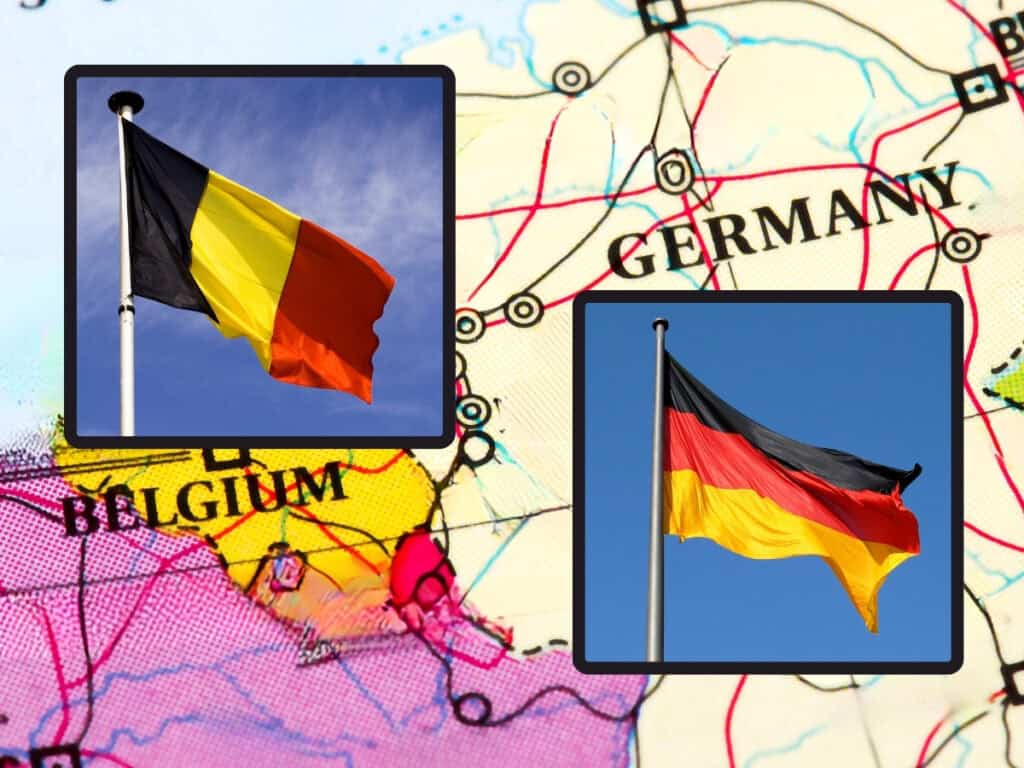
Flags are often seen as symbols of a country’s unity and identity. They can be used to represent the people of a nation, their history, and their values.
It is not uncommon that flags of different nations or countries look the same or have similarities. This is often because the countries have a shared history or share similar values.
As you can imagine this can be a bit confusing, especially when the flags of two countries look almost identical.
Let us take a closer look at the flags of Belgium and Germany and compare them to see how they differ.
What’s the difference between the flag of Belgium and Germany?
When you compare the Belgium flag and the German flag, you’ll notice that they are similar but not identical.
- The biggest difference is that the national flag of Germany has horizontal stripes while Belgium’s flag has vertical stripes.
- Additionally, the order of the colors on the national flag of Belgium is black-yellow-red (from left to right), while on the German flag, it’s black-red-yellow/gold (from top to bottom).

Join the community! Make sure you join our Belgium Travel Planning Facebook group. This is the place to ask any questions about your trip, to be inspired, and to connect with other Belgium travelers. Click here to join!
What does the Belgium flag look like?
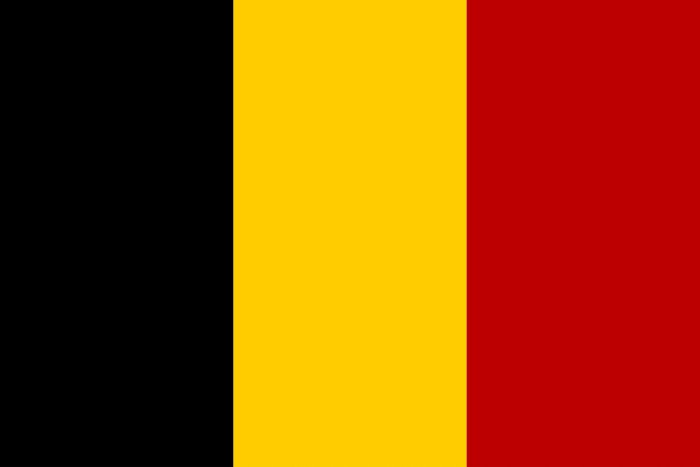
The Belgian flag is a vertical tricolor of 3 equally wide stripes in black, yellow, and red.
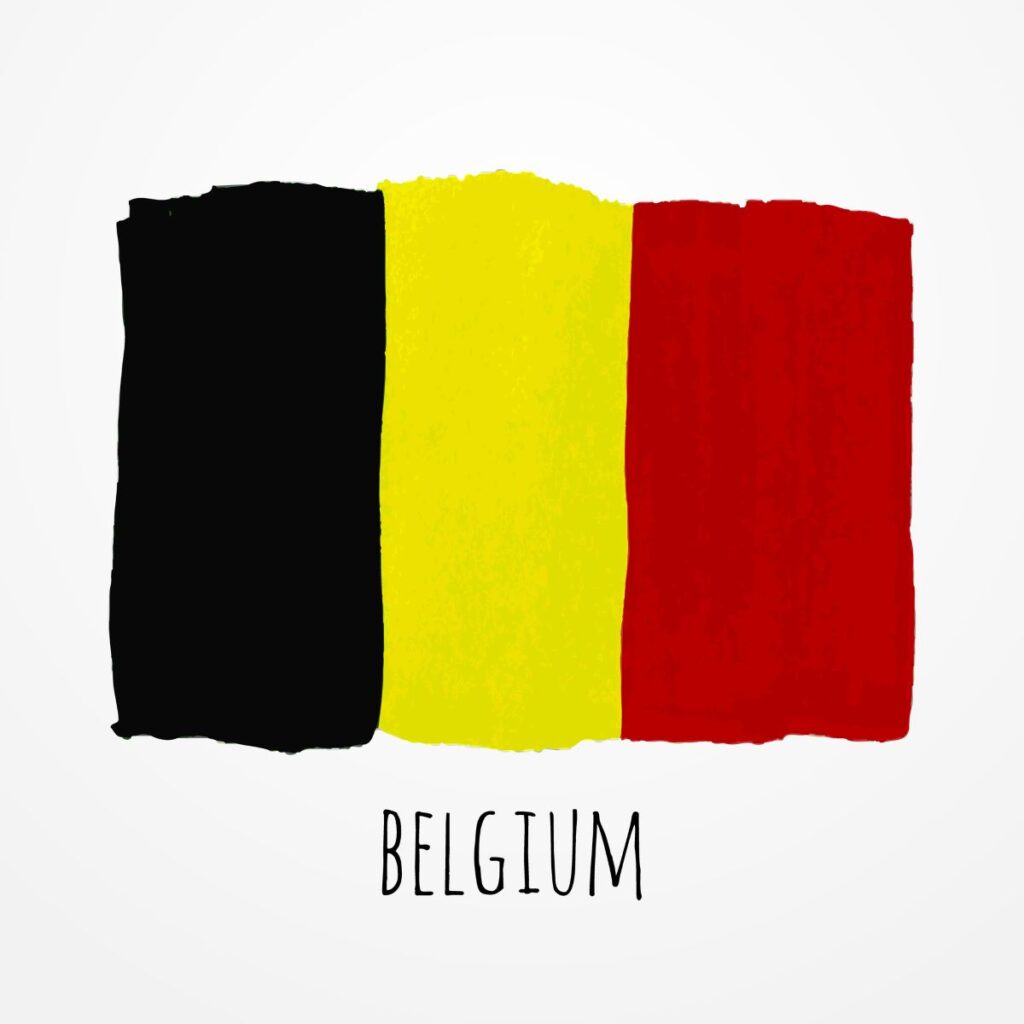
- It was first used as the flag of the United Kingdom of the Netherlands and adopted by Belgium in 1831.
- The Belgium flag colors are said to represent courage (black), faith (yellow), and force (red).
- The Belgian flag didn’t inherit any designs from the German Flag although it is easy to think that.
What is the meaning of Belgium’s flag colors?
The three colors of the Belgium flag represent the Belgian national colors. Those colors were inspired by the Duchy of Brabant’s coat of arms which depicted a golden lion (yellow) on a black field (black) with its claws and tongue extended (red).

By Odejea, CC BY-SA 3.0, Link
What about the direction of the stripes?
The vertical design of the Belgian national flag was a derivative of the French flag.
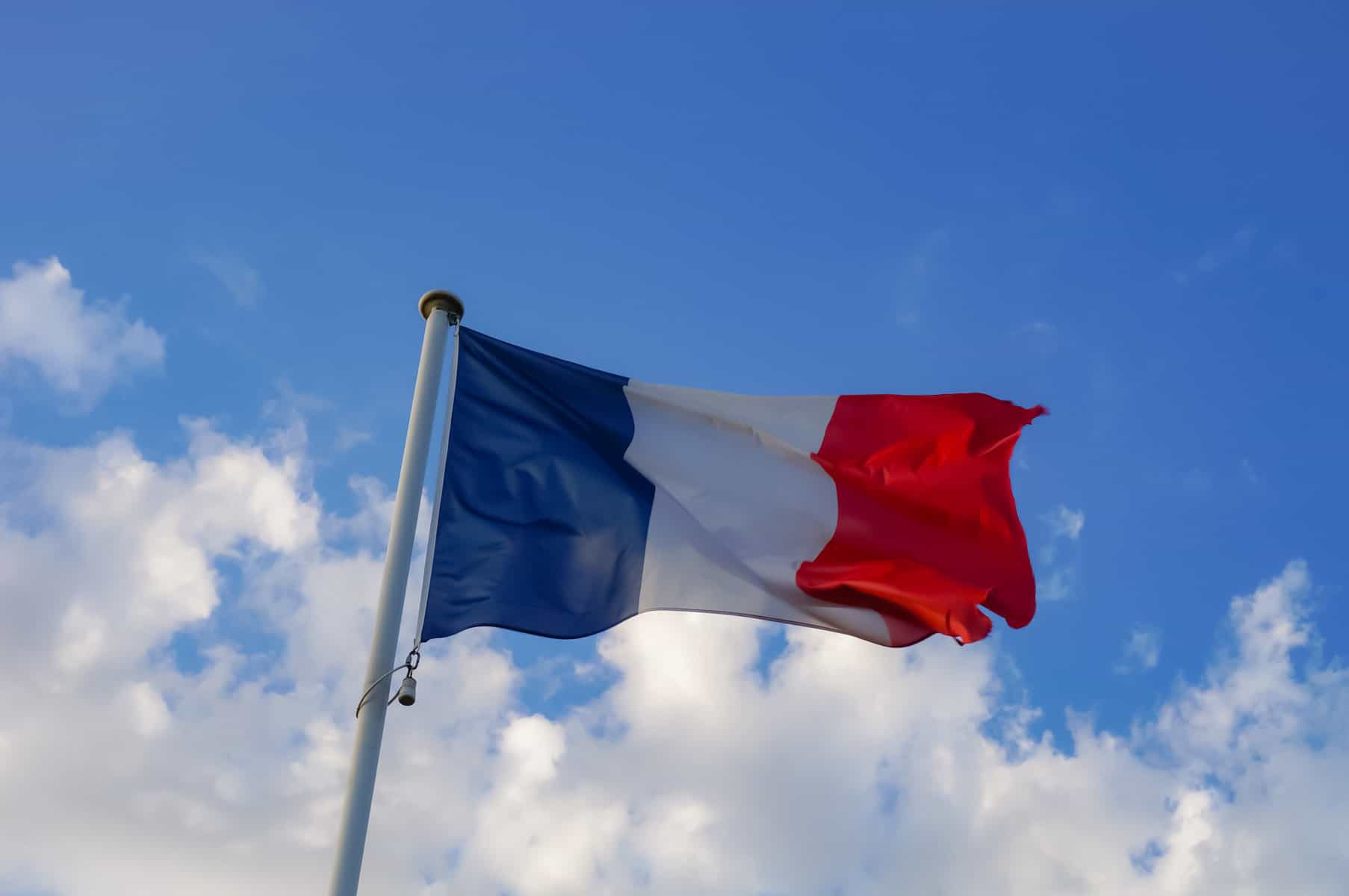
💡 Fun Belgian Flag Fact: The Belgian constitution states that ‘The Belgian nation chooses for its colors red, yellow, and black.’ But the constitution wasn’t stating specifically which color had to come first. Before and during the revolution, the flag had horizontal stripes, but after the revolution, when the switch to vertical stripes was made, it was turned in the wrong direction. That’s why the Belgium flag colors are black, yellow, and red and not red, yellow, and black as the constitution says.
What does the Flag of Germany look like?
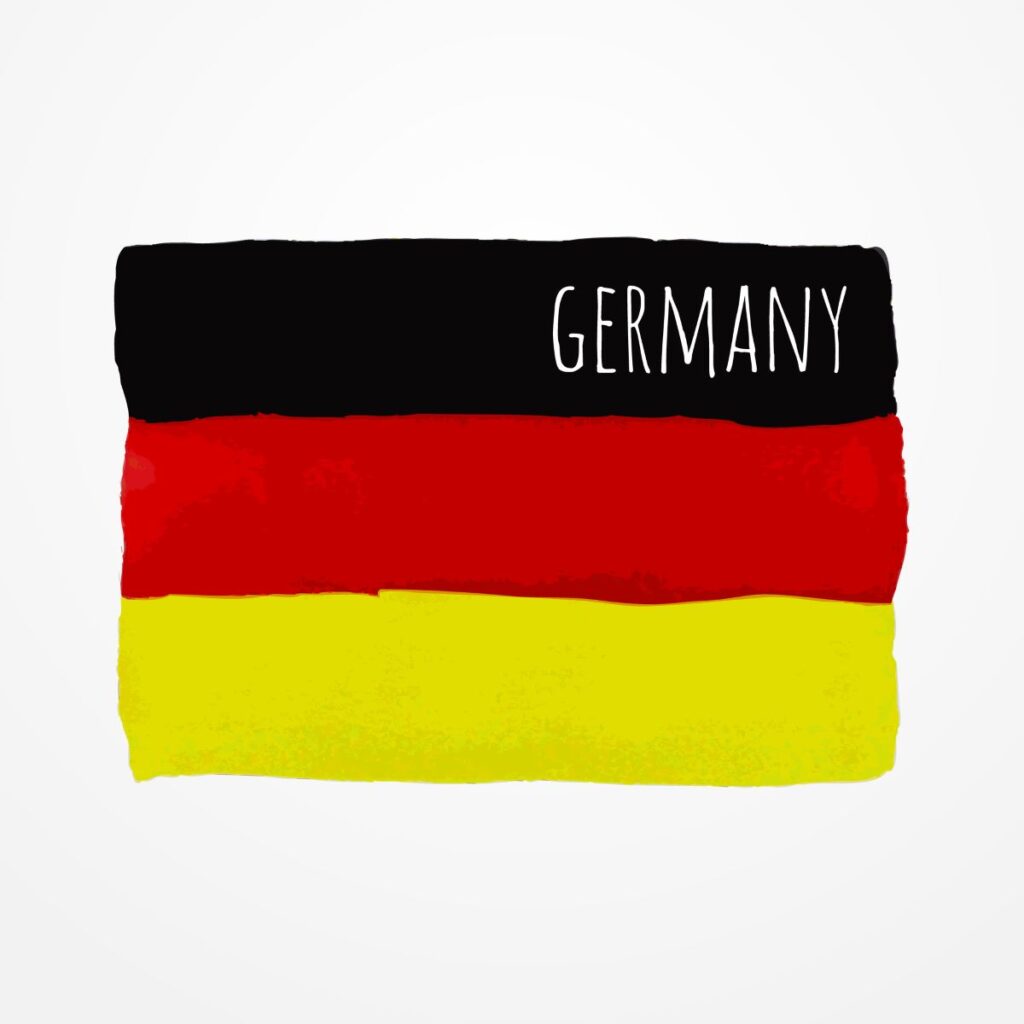
The tricolor of the official German flag is made up of three equally wide horizontal stripes in black, red, and gold. The official current flag of Germany was formally adopted on May 9, 1949.
What do the German Flag colors mean?
Multiple theories exist on the origin of the flag and its colors, as well as the German flag colors meaning.
The most popular belief in the history of the German flag is that the Black and Gold combination symbolizes the semi-official coat of arms of the Holy Roman Empire. The two colors of Germany’s flag have been linked to Austria’s Habsburg Dynasty since the dissolution of the Holy Roman Empire. It was dubbed “The black and Gold Monarchy”.
💡 Fun Fact: As a result of its defeat in World War I, Germany was banned from flying its own national flag until April 6, 1921. On that date, the swastika was replaced with the German Eagle.
Belgium flag vs German flag
The Belgian flag and German flag look the same from far away but are they really that similar? Let’s take a closer look.
➡️ Orientation: While both the German and Belgian flag designs use a stripe pattern, the German flag is horizontal while the Belgian flag is vertical.
➡️Colors: The colors on the Belgian flag are black, yellow, and red (from left to right) while the colors on the German flag are black, red, and gold (from top to bottom).
➡️Color code: The black color on the flags of Germany and Belgium is the same type of black. But if we look at the constitution of Belgium, it states that the yellow color is in fact a shade of gold, number FDDA24 and the color red is number EF3340. While the German flag uses the number FFCC00 of gold and the number EF3340 of red.
➡️ Meaning: The colors of the Belgian flag are said to represent courage (black), faith (yellow), and force (red). They’re inspired by the Duchy of Brabant’s coat of arms. The colors of the German flag black, red, and gold were chosen to represent the colors of the uniforms of the Lützow Free Corps.
➡️ History: The Belgian flag was first used in 1830 as the flag of the United Kingdom of the Netherlands and adopted by Belgium in 1831. The German flag is more recent as it was formally adopted on May 9, 1949.
➡️ Dimensions: According to the Belgian constitution, the Belgian flag has a ratio of 13:15 which means that the flag is almost square-shaped. In contrast, the German flag is shaped like a rectangle and has a 3:5 ratio.
Why are the Belgium and Germany flags so similar?
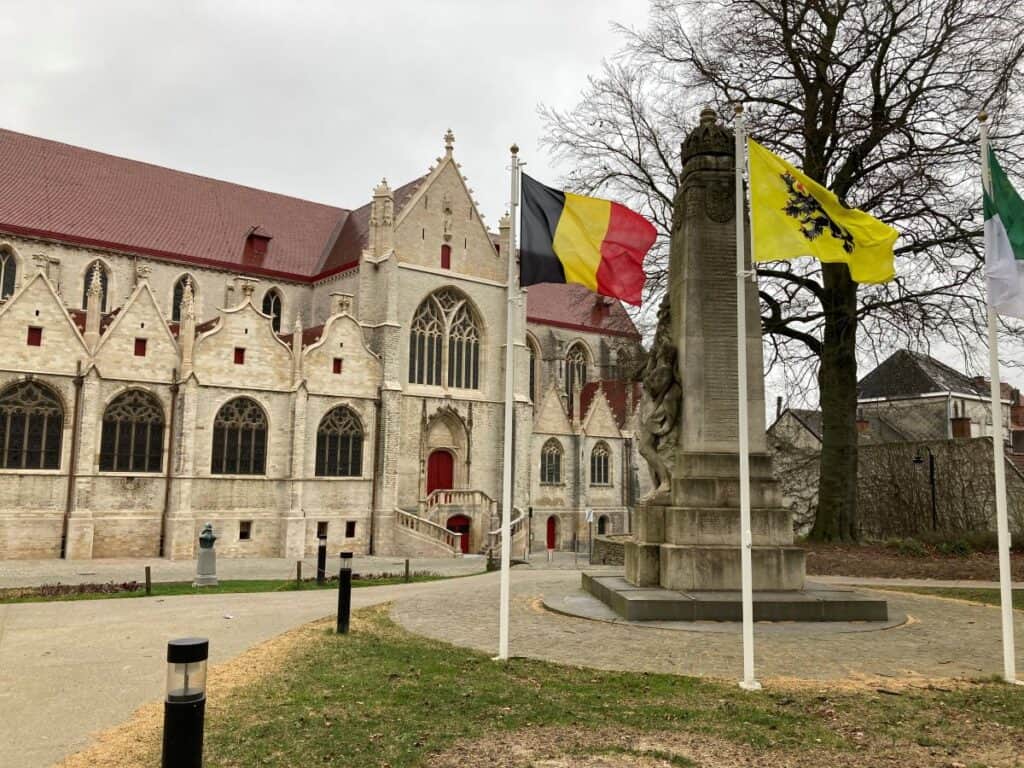
While we’ve now established that the Belgium and German flags are not identical, they obviously remain very similar. Despite the historical differences, there might be a reason they chose similar colors and a similar design.
- One theory is that they both were part of the Holy Roman Empire, which used black and gold as its colors.
- Another theory is that they both were inspired by the French tricolor flag, with the colors reversed.
- Another possibility is that the similarities are simply a coincidence.
Other examples of flags that look alike
There are many examples of countries with similar-looking flags.
Some of these include the flags of Monaco and Indonesia, the flags of Romania and Chad, and the flags of New Zealand and Australia.
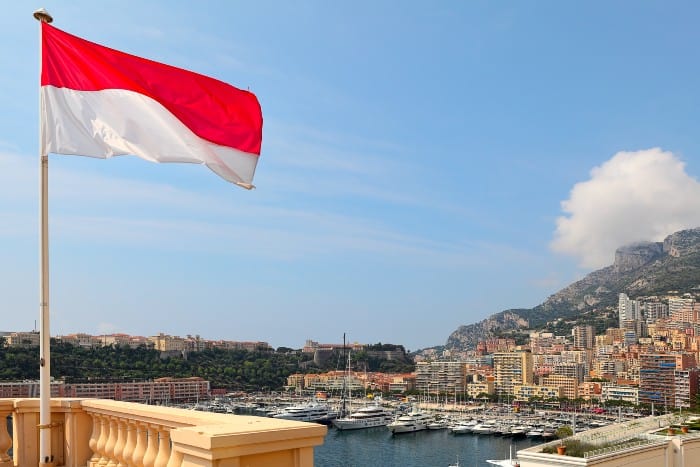
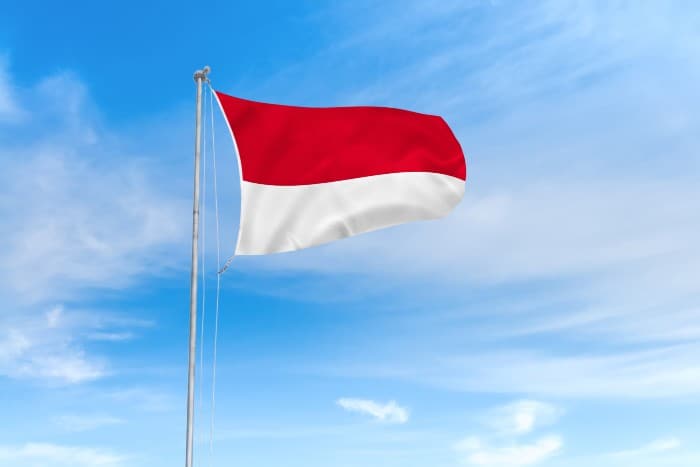
So what is the reason for these similarities? Well, there are a few possible explanations.
- It could be a coincidence.
- It could be that the countries have similar historical roots or influences.
- It could be that the flags are designed to be identical on purpose, for example, to show solidarity between two countries or to signify a shared history.
Whatever the reason, it’s clear that there are a lot of flags out there that look very similar to each other!
Wrapping up the flags of belgium and germany
There you go. You’ve now learned that the Belgian and German flags look similar but there are some key differences. You can also check out other fun facts about Belgium.
More about Belgium?
- Is Belgium in Germany? (+ 13 Other Questions Answered)
- What Are People From Belgium Called?
- Does Belgium Have a King?
- Holidays in Belgium
- The National Flower of Belgium
BELGIUM TRAVEL PLANNING RESOURCES
Getting to Belgium: Fly into one of the main international airports: Brussels Airport (BRU) or Charleroi Brussels South Airport (CRL). Take an international train to Brussels South Station. Or take a ferry to Dover or The Netherlands, then drive or take the train to Belgium.
Getting Around: For the major destinations, the train is by far the best option. You can book your train tickets here. If you’d like to visit smaller places, the most convenient way would be to rent a car. We always use Discover cars, they compare all the rental companies and give you the best rates.
Accommodation: Booking.com is the most popular accommodation platform in Belgium. It’s what I use every single time.
Guided tours: Use Get Your Guide or Viator to find fun tours in Brussels, Bruges, Ghent and Antwerp. Or Guruwalk to find free walking tours in multiple destinations.
If this helped you plan your adventure, a coffee would go a long way in fueling my next guide! 😉
