Is Brussels worth visiting (+3 reasons not to go)
This article may contain affiliate links. This means we receive a small commission whenever you book or purchase something through our links (at no extra cost to you!). You can find more information in our disclaimer.
If you are wondering ‘Is Brussels worth visiting’, you’ll love this post!
As a lifelong Belgian resident and seasoned traveler, I’ve had the privilege of visiting Brussels, Belgium numerous times.
Living just an hour away, I’ve wandered around this city more times than I can count. Of course, I admired the big tourist sights, but I also love finding the little spots that aren’t in your typical guidebook.
So, I thought, why not share some of these discoveries with you?
In this article, I’m going to tell you about 15 things that make Brussels a great visit in 2024. But.. I also have 3 reasons why you might prefer to look for another destination in Belgium.
This article may contain affiliate links. This means we receive a small commission whenever you book or purchase something through our links (at no extra cost to you!). You can find more information in our disclaimer.
Is visiting Brussels worth it?
That’s the million-dollar question, isn’t it? Well, let me start in a way that you won’t expect: no, I don’t think Brussels is worth visiting.
Well, that’s a little harsh, so let me explain.
What I meant to say is that Brussels is not an easy city. It has gorgeous sights but you’ll have to go and look for them. You’re unlikely to get that instant “I just fell in love and never want to leave again” feeling.
Brussels is a city that has to grow on you. Bit by bit, layer by layer, you’ll discover its charm. But it’s unlikely to be instant.
So if you’re short on time or only visiting one place in Belgium, don’t choose Brussels because you might leave thinking Belgium is not worth visiting at all.
Instead, pick Bruges (everybody loves this fairytale city but you’ll be one of many tourists), Ghent (equally charming as Bruges but with a young and eco-minded vibe), or Antwerp (my first love and the perfect mix between multicultural and historical).
However, if you’re looking for a place to spend a longer time, Brussels is an excellent choice, especially if you’re traveling with kids.
There are tons of things to do in and outside the city, from interactive museums and green parks to family-friendly eateries and cultural events.
Plus, with Brussels as your base, you’ll have easy access to the rest of Belgium – think charming medieval towns, beautiful countryside, and beaches.
And let’s not forget, Brussels is also a gateway to exploring the rest of Europe, thanks to its central location and superb transport links.
💡 Is Brussels safe?
Yep, Brussels is generally a safe place to visit. Like in any big city, there’s a mix of safer and less safe areas.
It’s usually chill during the day, but at night, it’s smart to be a bit more cautious.
- Some spots, like around Brussels South Station, can get sketchy with drug addicts hanging around.
- Also, areas like Sint Jans Molenbeek are better to avoid after dark. Just keep your wits about you, and you’ll be fine!
Reasons why You Should visit Brussels

While I said that I don’t think Brussels is worth visiting, there are still plenty of reasons to come anyway.
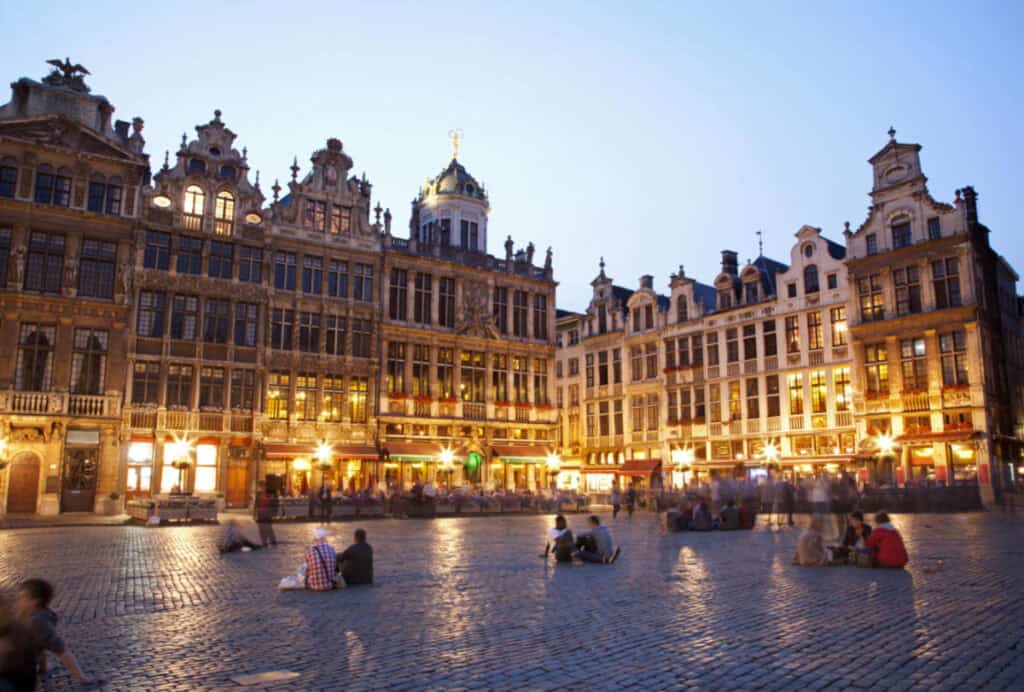
1. The Grand Place
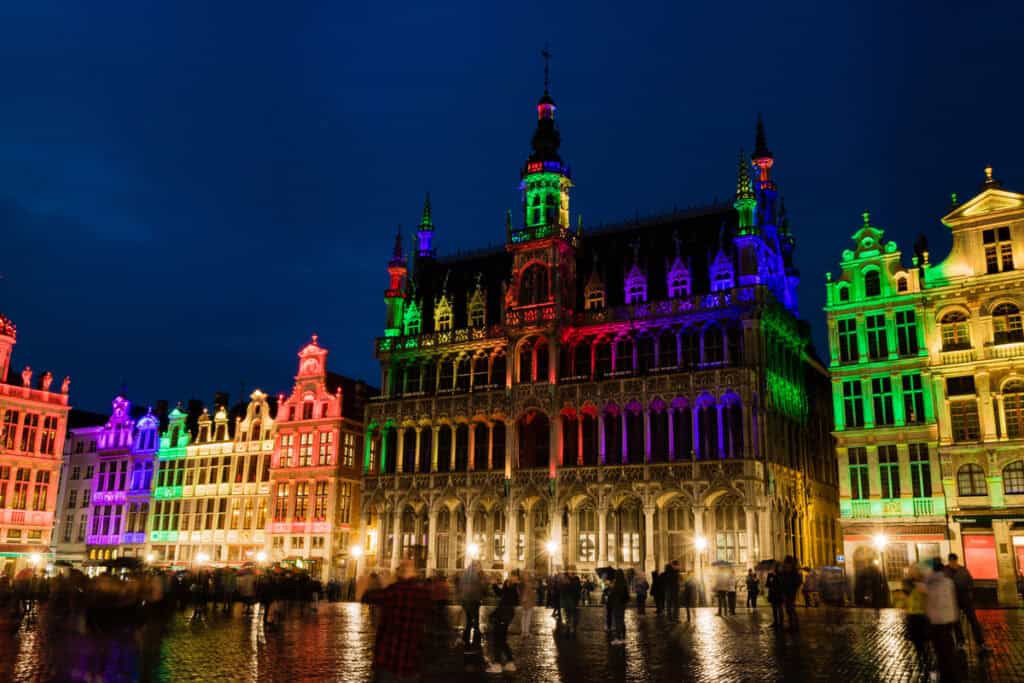
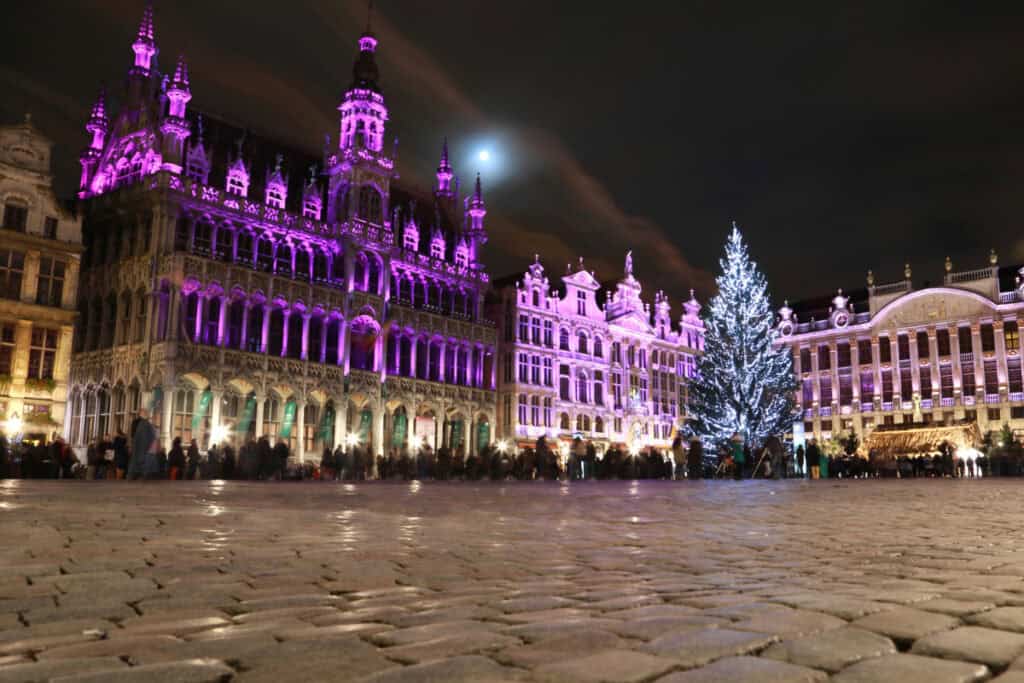
The Grand Place, or Grote Markt, is one of the main attractions in Brussels, Belgium.
It’s a stunning UNESCO World Heritage site, famous for its ornate guild houses and impressive Town Hall.
It’s the most visited place in Brussels and with good reason.
Standing on the square, you’ll feel the vibrant atmosphere, especially during one of the many events such as the Zinnekens Festival, the Flower Carpet, or the Winter Festival.
2. The capital of Belgium AND Europe

Brussels holds a unique dual title – it’s not only the capital of Belgium but also the heart of the European Union.
This distinction fills the city with a fascinating mix of local Belgian charm and a buzzing international vibe.
It’s a place where you can feel the pulse of European politics and enjoy a rich blend of history, art, and cosmopolitan energy.
3. A multi-cultural city
One of the things I adore about Brussels is its incredible diversity – it’s actually the second most cosmopolitan city in the world!
With 189 different nationalities, nearly 40% of folks here aren’t even Belgian by nationality.
This blend is what makes Brussels so special.
You see it in lively neighbourhoods like Matongé, buzzing with African culture, Chinatown’s flavorful streets, and De Marollen‘s authentic Belgian feel.

Thanks to its status as the heart of the European Union, the city’s a melting pot where everyone can be themselves, no matter where they’re from.
Walking through Brussels is like a journey around the world, and that’s truly something to cherish.
4. Amazing architecture & landmarks
If you’re into cool buildings and iconic spots, Brussels is your kind of place.
The city’s packed with everything from stunning Art Nouveau gems to big, impressive historical sites.
Every street and square has its vibe and story, making just walking around an adventure in itself.
💡 The Manneken Pis & other peeing statues
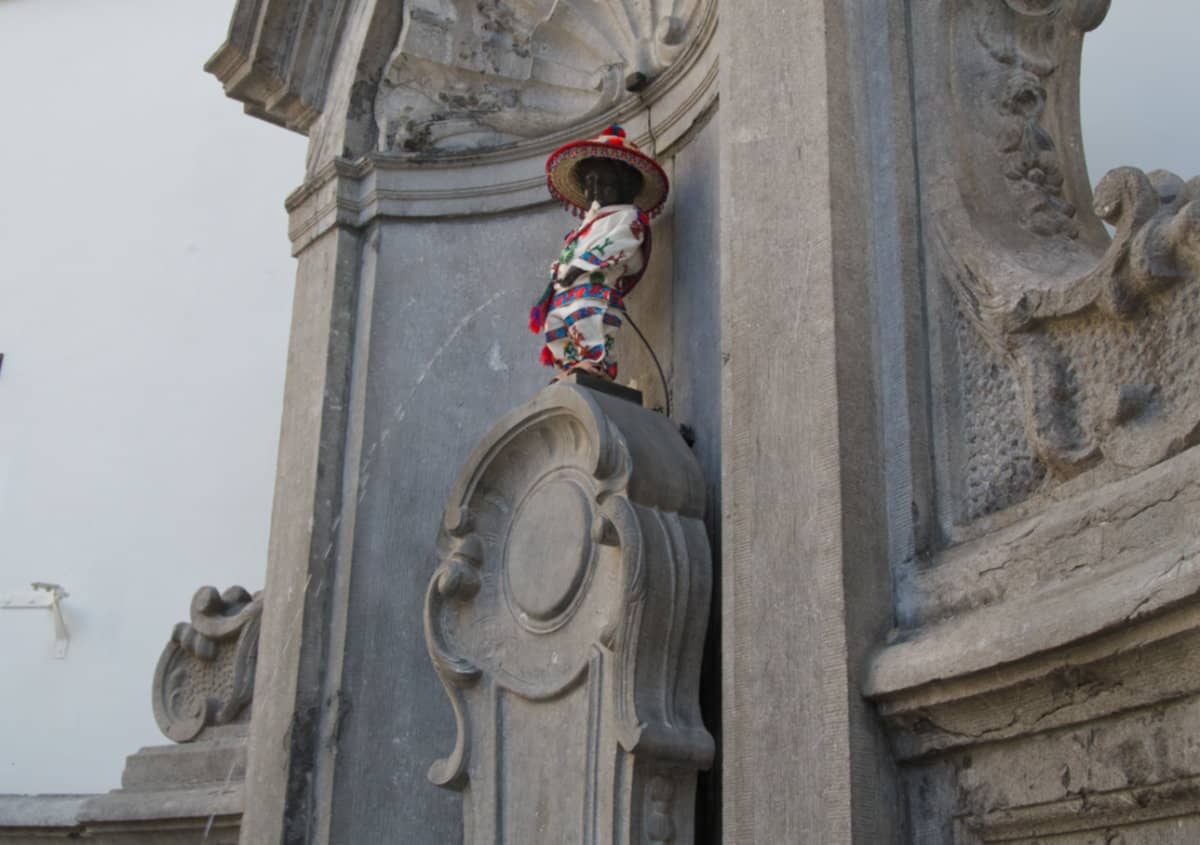
When it comes to quirky landmarks, Brussels hits the mark with the Manneken Pis.
This famous little guy is a bronze statue of a boy, well, doing his business, and it’s surprisingly small but always a crowd-pleaser.
But did you know he’s not alone? There’s also Jeanneke Pis, a girl version, and Zinneke Pis, a peeing dog.
These statues are fun, a bit cheeky, and totally Brussels – they add a playful touch to the city’s streets and are a must-see for a good laugh and some unique photos.
💡 Mont des Arts
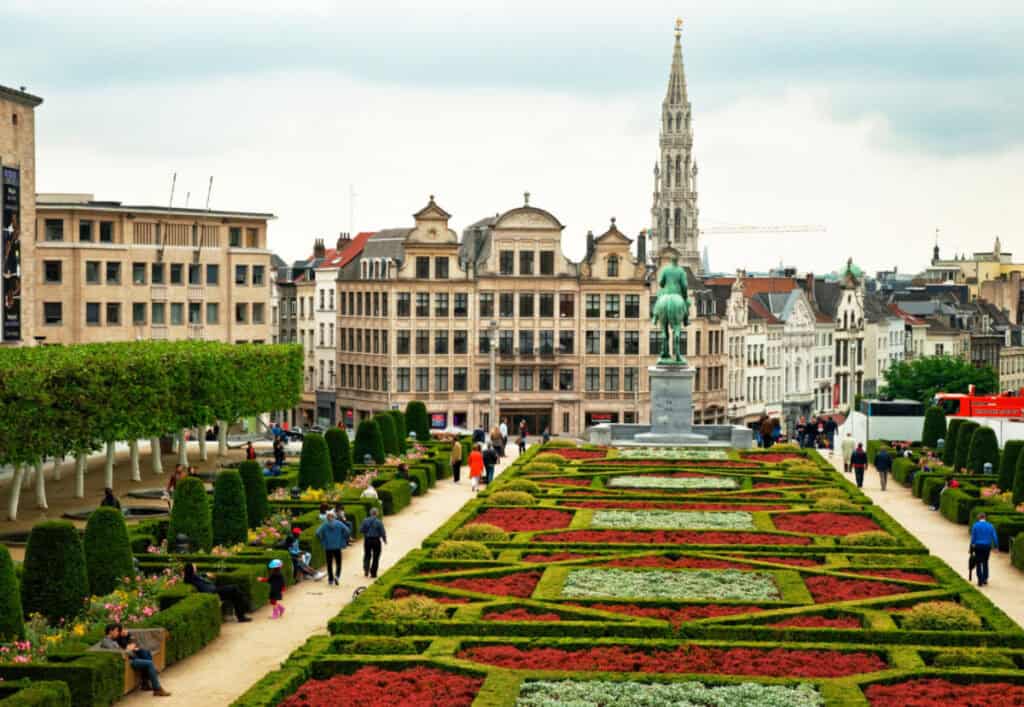
Mont des Arts is a hill next to Brussels Central Station that connects the historic center with the Sablon neighbourhood.
In between the steps, there’s a little garden in the style of Versailles.
Although there are no trees and there’s no grass, it’s the perfect spot to take a break, sit back, and enjoy the panoramic views of the city.
But what I love about this place is how you can stroll from one great museum to another – they’re all lined up next to each other.
I particularly love the Magritte Museum, the Coudenbergh Palace, and the Musical Instruments Museum.
💡 Royal Palace

The Royal Palace in Brussels is pretty impressive. It’s not where the royal family lives, but it’s where the king does his work.
During the summer, from July 21st (the Belgian national holiday) to early September, you can visit the palace and see how grand and fancy it is on the inside.
But if you’re not in Brussels during the right time of the year, check out this virtual tour.
💡 The Atomium

The Atomium is one of those places in Brussels that you just can’t miss – literally because it’s huge!
This shiny, futuristic structure, shaped like a giant atom, was built for the 1958 World’s Fair and has since become an iconic symbol of the city.
Inside, there are exhibitions (including a 90s light show), and even a restaurant with amazing views.
Going up to the top spheres is an experience in itself, giving you a panoramic view of Brussels that’s hard to beat.
5. Beautiful art scenes & museums
Brussels isn’t just about cool buildings and chocolate; it’s also a paradise for art lovers.
The city’s art scene is amazing, with tons of museums and galleries showcasing everything from classic masterpieces to modern and contemporary art.
🏢 Musée Royal des Beaux Arts

The Royal Museums of Fine Arts is a must-visit for anyone who appreciates art. It’s several museums rolled into one, including the Oldmasters Museum and the Modern Museum.
You can spend hours here just wandering through the different eras of art history. It’s a great mix of the well-known and the unexpected.
🏢 Museum of Natural Science

The Natural Sciences Museum in Brussels is a real treat, especially if you’re into dinosaurs. This museum is famous for having the largest Dinosaur Gallery in Europe.
It’s not just about the dinos though – they’ve got loads of other exhibits on things like human evolution and biodiversity.
It’s interactive and fun, making it perfect for kids too (I visited with a 5-year-old and a toddler and they had so much fun!).
You can easily spend a whole day here learning and exploring. It’s one of those places that makes science super interesting and accessible to everyone.
🏢Magritte Museum

Even though the Magritte Museum is technically part of the Royal Museums of Fine Arts, it deserves its shout-out.
This place is all about René Magritte, the famous Belgian surrealist artist.
The museum is home to the world’s largest collection of his works (230 items!).
You’ll find some of his most famous pieces here, plus some lesser-known ones that show off his unique style.
🏢 Belgian comic strip center
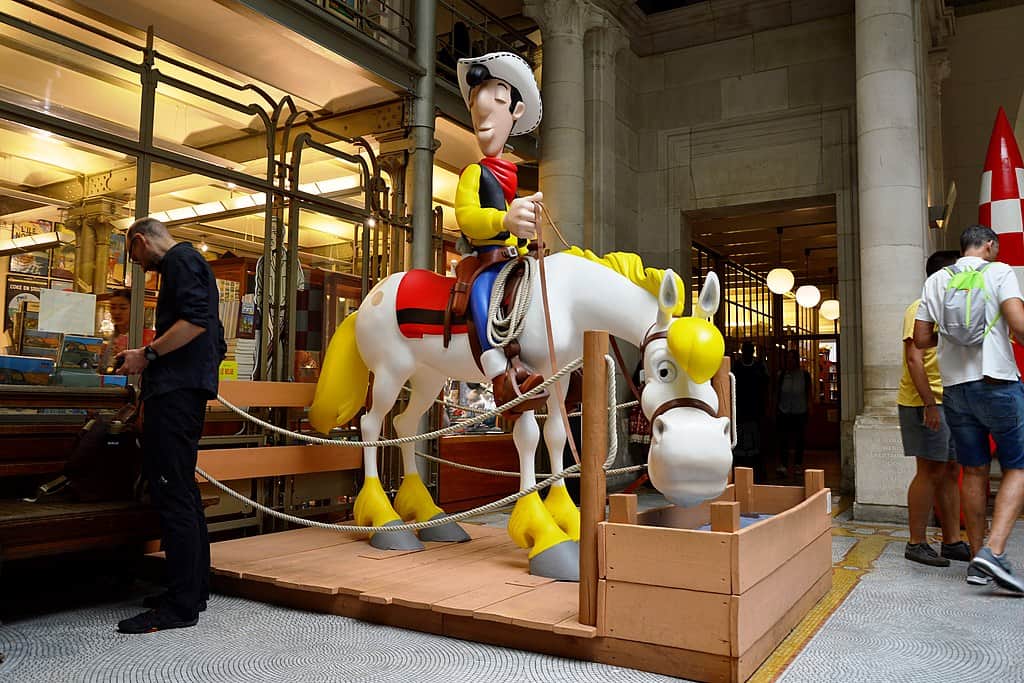
The Belgian Comic Strip Center is a real gem for comic book fans. Housed in a stunning Art Nouveau building designed by Victor Horta, this place is as much about the architecture as it is about the comics.
Inside, you’ll dive into the world of Belgian comics, home to famous characters like Tintin and The Smurfs.
The museum showcases the history of comics, the process of creating them, and the impact they’ve had in Belgium and beyond.
It’s a fun, colorful experience that’s great for (older) kids and adults.
Walking through this museum, you get to see how comics are a serious art form and a big part of the country’s cultural heritage.
🏢 Mural comic art Parcours

All over the city, you’ll find these huge, vibrant murals of famous Belgian comic characters like Tintin, Lucky Luke, and many more.
It’s a unique way to explore the city, turning a simple walk into a treasure hunt.
These murals not only brighten up the streets but also celebrate Belgium’s rich comic book history.
It’s a cool, fun experience that adds a bit of whimsy and color to your Brussels adventure.
6. Historical Churches
Brussels is dotted with some remarkable historical churches, each with its own story and architectural splendor.
⛪️ St. Michael and St. Gudula Cathedral: This is a real highlight in the heart of Brussels.
A stunning example of Gothic architecture, it’s been around since the 13th century.
The cathedral is famous for its impressive stained glass windows and the Carillon concerts played on its 49 bells.
⛪️ National Basilica of the Sacred Heart: You can’t miss this one – it’s one of the largest Roman Catholic basilicas in the world!
Located in the Koekelberg neighbourhood, this Art Deco masterpiece offers an incredible panoramic view of Brussels from its dome.
⛪️ Our Blessed Lady of Sablon Church: This is a smaller, yet equally beautiful church.
Known for its elegant Baroque chapel and stunning glass windows, it’s a serene spot that shows off the artistic side of religious architecture in Brussels.

7. Lots of parks and green spaces
Brussels is surprisingly green, with plenty of parks and forests even within walking distance of the historical center.
Once known as the Royal Park, Brussels Park (Warandepark/Parc de Bruxelles) is the largest urban public park in the center of Brussels.
It’s a classic European park with wide paths, manicured lawns, and statues, perfect for a stroll or a picnic.
Cinquantenaire Park is set for a big transformation in time for Belgium’s 200th anniversary in 2031, with plans to give it a vibe similar to New York’s Central Park.
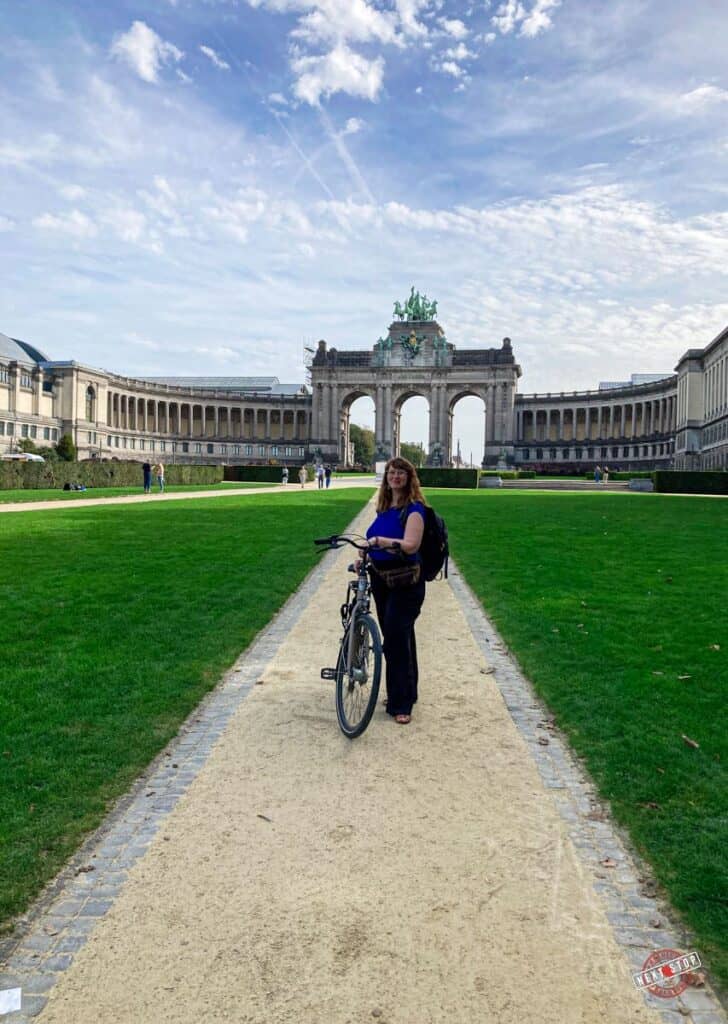
It’s already a favorite for its spacious lawns, impressive triumphal arch, and museums.
A smaller but charming park, Leopold Park has a lovely pond, and plenty of greenery, and is a great spot to unwind away from the city bustle.
Other spots you might want to discover are the Sonian Forest and the Bois de la Cambre, both on the outskirts of the city.
8. Buzzing nightlife
Even though I never dove into it myself, Brussels is well-known for its buzzing nightlife.
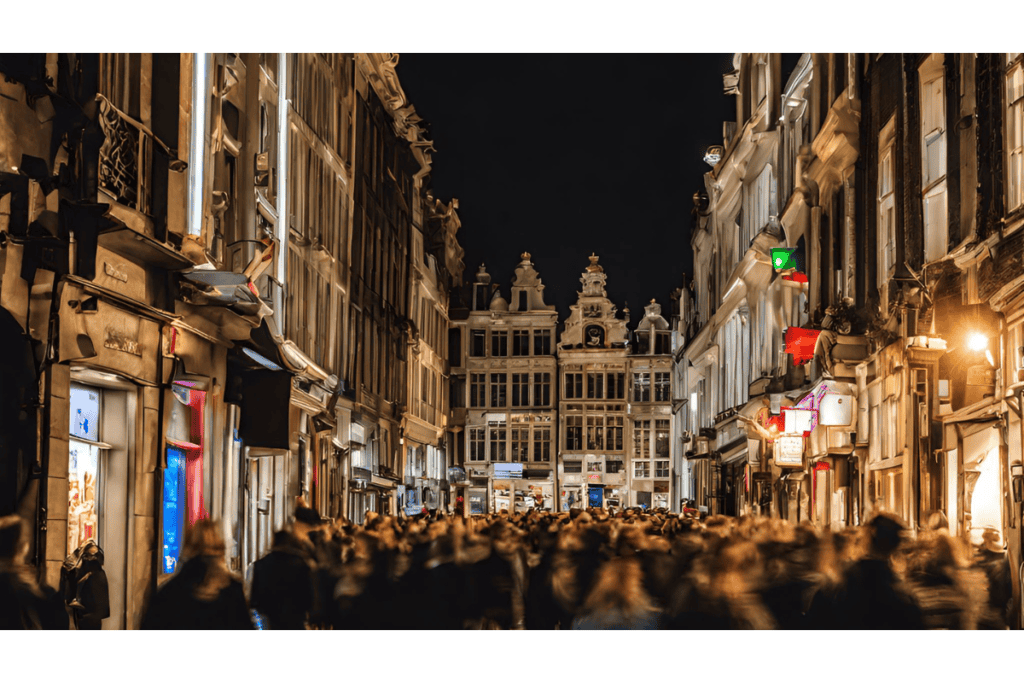
The city comes alive after dark with a variety of options to suit any taste.
Brussels even has a special pass (the Brussels Volume Pass), that gives access to 8 night clubs for 48 hours for a set price.
9. A gastronomic paradise
Brussels is a paradise for foodies. It’s a little unfair that Belgian cuisine isn’t that well-known in the rest of the world, because we have a whole bunch of very tasty dishes.
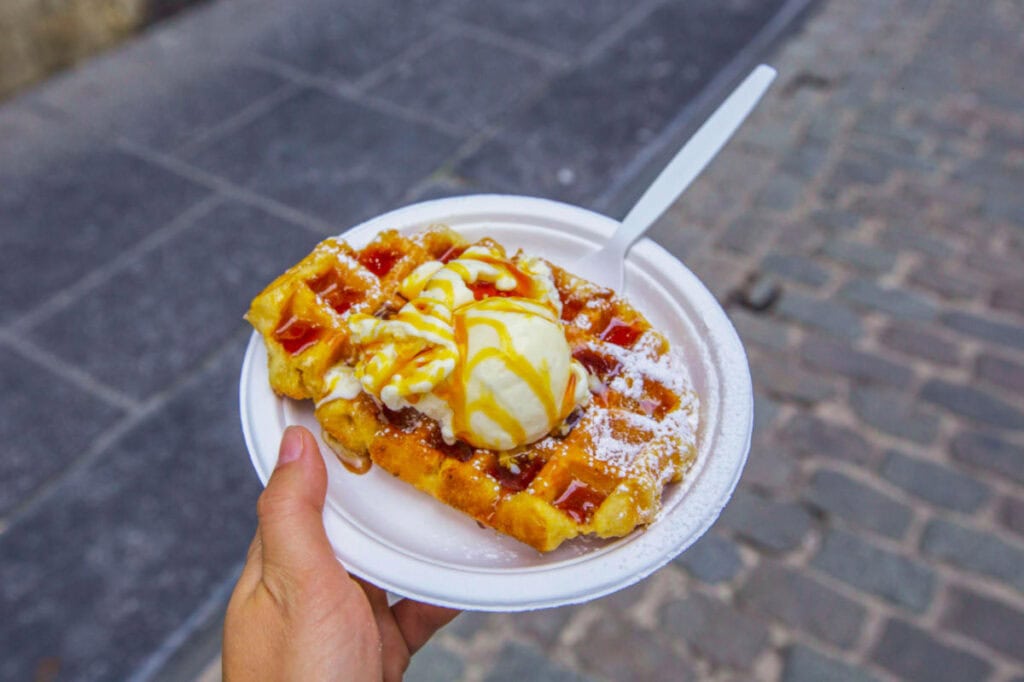
Obviously, there’s the big four: chocolate, beer, frites, and waffles. I’m doubtful you’d visit without tasting those. As such, local food tours are a great way to experience highly recommended cuisine.
But give one of my all-time favorite Belgian dishes a try too: Moules-Frites, Gentse Waterzooi, Flemish Stew (Stoofvlees/Carbonade), or shrimp croquettes.
10. A shopping hotspot
Like any capital, shopping is a big deal in Brussels, and the city has some great spots to check out, each with its unique offerings.
🛍️ Place de Jeu de Balle: This place is famous for its daily flea market where you can find all sorts of treasures – from vintage clothes and antique furniture to quirky knick-knacks and old vinyl records.
🛍️ Galeries Royale St. Hubert: This is a more upscale shopping experience. The beautiful glass-roofed arcade is filled with chic boutiques, luxury shops, and chocolate stores.
It’s perfect for finding high-quality goods and gifts, or just for window shopping and soaking in the elegant atmosphere.
🛍️ Rue Neuve, Rue Louisa & Rue Waterloo: These streets are where you’ll find all the popular high-street brands and international stores.
🛍️ Matongé neighbourhood: This area offers a completely different vibe. It’s known for its African shops where you can find exotic products, colorful fabrics, and unique jewelry.
It’s like a little piece of Africa in the heart of Brussels.

11. Lively outdoor festivals
Brussels is a city that loves a good festival. All year round, you can find exciting events celebrating everything from music to food, and Belgian beer.
Summer is buzzing with music festivals, showcasing a mix of local and international acts (my favorite is Couleur Café).
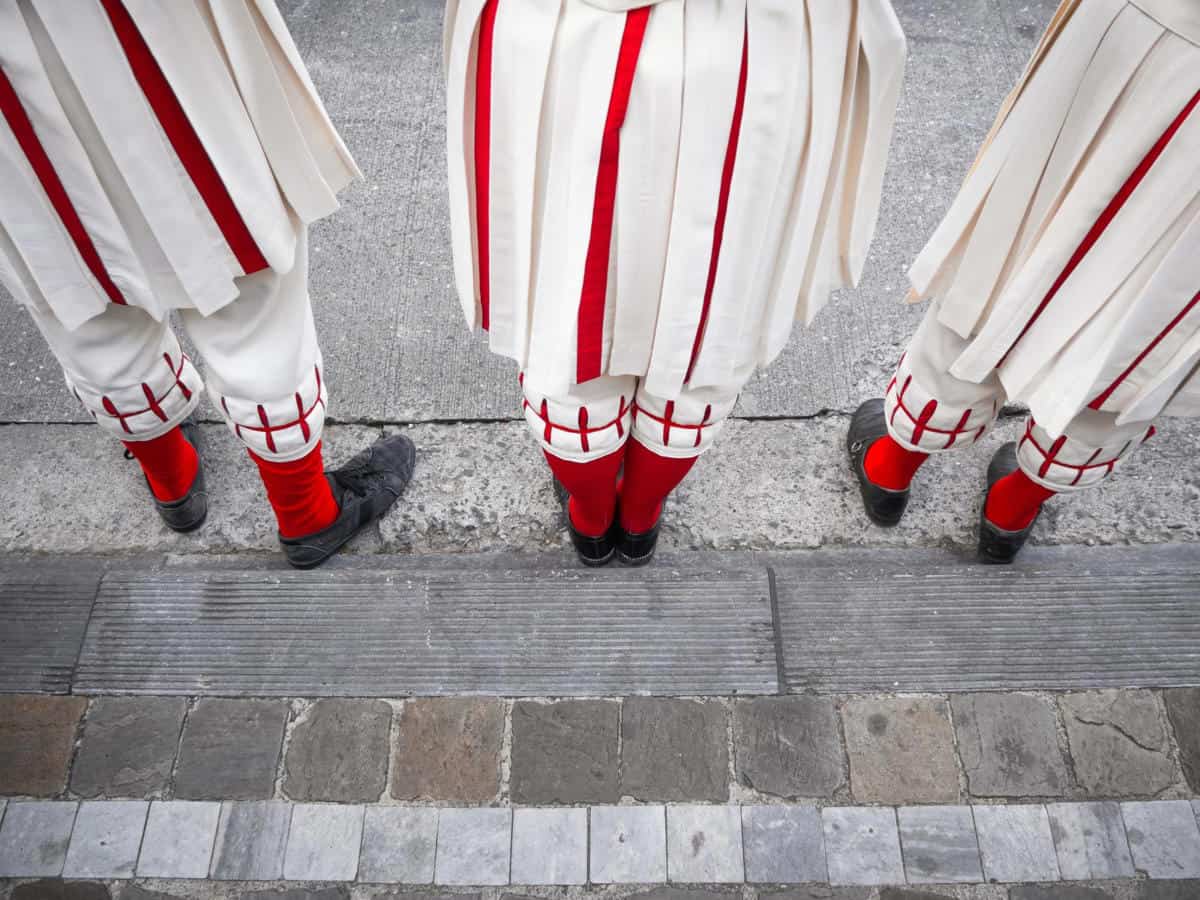
Don’t miss the Brussels Beer Weekend, where you can sample a wide variety of Belgian brews, and the biyearly carpet flower festival that transforms the Grand Place into a huge display of flowers.
More fun festivals include the biyearly Zinneke Parade, the Belgian Pride, and Brussels Jazz Weekend.
12. LGBTQ+ friendly
As a queer person, I can personally attest to how welcoming and inclusive Brussels is for the LGBTQ+ community.
The city is known for its open-minded and accepting atmosphere.
There are plenty of LGBTQ+-friendly bars, clubs, and cafes, especially around the Saint-Jacques neighbourhood and the Rue du Marché au Carbon/Kolenmarkt, which is kind of the unofficial gay district in Brussels.
But the LGBTQ+ friendly vibe in Brussels isn’t just limited to specific events or areas. It’s a part of the city’s overall character.
You’ll find that most places are very open and welcoming, making it a great city to be yourself and enjoy everything it has to offer, no matter who you are or who you love.
That being said – there has been an increasing number of homophobe violence in the last couple of years. It’s not a regular occurrence at all, but something to keep in mind.
But during the day or in crowded places, my wife and I don’t have any issues walking hand in hand.
13. Lots of activities for families with kids
Brussels is super family-friendly, with loads of activities that kids (and parents!) will love.
There are plenty of parks and playgrounds where little ones can run around and play.
The city also has some cool interactive museums that are great for kids, like the Natural Sciences Museum, which has the largest Dinosaur Gallery in Europe – a definite hit with the dino-obsessed! It’s the favorite museum of my kids!
Then there’s Mini-Europe, where you can see miniature versions of famous European landmarks, and the Children’s Museum which is another big hit with kids.
14. Best location for day trips
Brussels has a central location in Belgium which makes it super convenient to hop on a train and visit any of the other destinations in Belgium.
You’ll be able to visit just about any place within 2 hours. Apart from that, Brussels also has great connections to The Netherlands, France, the UK and Germany.

You’ll be able to reach London, Paris, Rotterdam, Amsterdam, Cologne and many more in 2 hours or less.
Aside from going on a DIY day trip by train or by car, you can also book a tour to Bruges, Bruges & Ghent, and Dinant & Luxembourg if you prefer to have everything organized.
15. Easy access to the rest of Europe [(night) train & international airport]
One of the best things about Brussels is how easy it makes traveling around Europe.
It’s great for day trips within Belgium and a hub for reaching other European countries quickly and easily.
The city’s central location means you can jump on a train and find yourself in places like London, Paris, Amsterdam, or Cologne in a couple of hours.
But there are also direct trains to Strasbourg, Luxembourg, and Lyon.
Night trains have also started to become popular again, with direct routes going to Munich, Salzburg, Berlin, and Vienna.
In 2024, new night train routes to Dresden, Prague will be added and there are plans to include Barcelona in 2025 as well.
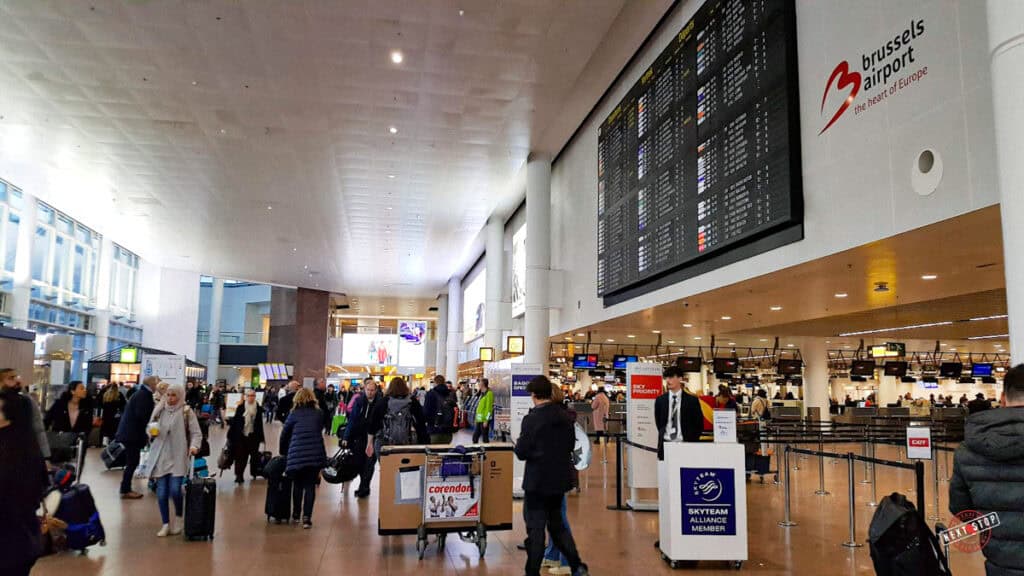
Brussels International Airport is another big plus. It connects to numerous destinations, making it a breeze to fly in and out of different parts of Europe.
3 Reasons not to visit Brussels
Now, while I’ve talked up all the amazing things about Brussels, it’s only fair to share a few reasons why it might not be the right fit for every traveler.
Let’s take a look at a few aspects that might make you think twice before booking that trip to Brussels.
👎🏼 Less charming than the other Belgian cities
If you’re looking for that quaint, fairytale-like charm you often see in pictures of Belgium, Brussels might not hit the mark for you.
It’s a big, bustling city with a mix of modern and historical architecture, and while it has its unique appeal, it doesn’t always have the same storybook feel as some of the smaller Belgian towns.
Cities like Bruges and Ghent are famous for their medieval streets and canals, offering a more picturesque, old-world vibe.
In comparison, Brussels is more about the hustle and bustle of a capital city, which isn’t everyone’s cup of tea.
While I can see the charm Brussels has, it’s not in my top10 of favorite places in Belgium.

👎🏼 Pickpockets & Theft
Just like any major city, Brussels has its share of pickpockets and petty theft, especially in crowded tourist areas and public transport.
It’s something to be mindful of when you’re out exploring.
While it’s not a reason to avoid Brussels altogether, it does mean you must keep an eye on your belongings and stay aware of your surroundings.
Being cautious and taking the usual precautions can go a long way in ensuring your visit is enjoyable and stress-free.
👎🏼 Safety in certain areas at night
While Brussels is generally safe, like any big city, some areas are best avoided at night.
Places like the Brussels South Station area and parts of neighbourhoods like Sint-Jans-Molenbeek can feel a bit sketchy after dark, with a higher likelihood of encountering uncomfortable situations.
It’s not about being scared, but just being smart and choosing where to wander at night. Most of the city is fine, but it’s good to know which spots to steer clear of for your night-time adventures.
A little bit of caution and sticking to well-lit, busier streets can make all the difference in keeping your trip smooth and enjoyable.
How to get around Brussels
Getting around Brussels is pretty straightforward. I wouldn’t recommend a car for city exploration. It’s unnecessary and can be more of a hassle with traffic and parking.
🗺️ Walking: First up, Brussels is quite compact, especially in the city center. This makes free walking tours an excellent choice.
It’s not only healthy and eco-friendly, but it also lets you soak in the city’s vibe and discover hidden gems you might miss otherwise.
🗺️ Public Transport: Brussels’ public transport system is your best bet for the sights that are a bit further away like the Atomium.
It includes buses, trams, and the metro, covering most areas of the city. It’s reliable, relatively inexpensive, and a good way to get around quickly without the stress of driving and parking.
🗺️ Bike-sharing: If you want to cover more ground faster, bike-sharing is a great option.
Brussels has several bike-sharing schemes, like Villo!, that are affordable and convenient.
Biking is a fun way to see the city, and there are plenty of bike lanes to make your ride safer and more enjoyable.
I can also really recommend a bike tour if you’d like to see a lot of the city in a short time.

Where to stay in Brussels
🏢 Hostel: Sleep Well Youth Hostel
Sleep Well Youth Hostel in Brussels is the perfect budget-friendly accommodation with a fantastic location just a 13-minute walk from the Grand Place and close to the Botanique garden.
They offer spacious rooms, including dorms and private rooms, a complimentary breakfast, bike rentals, a rooftop terrace, and even table tennis.
🏢 Budget: Aris Grand Place Hotel
Aris Hotel Grand Place Brussels is a budget-friendly choice with a prime location just a 5-minute walk from the iconic Grand Place.
While the interior is very colorful and the rooms offer nice views of the city center, it’s important to note that the (basic) breakfast comes at an additional cost, and the bathrooms are a little dated.
🏢 Mid-range: Pillows City Hotel Brussels Center
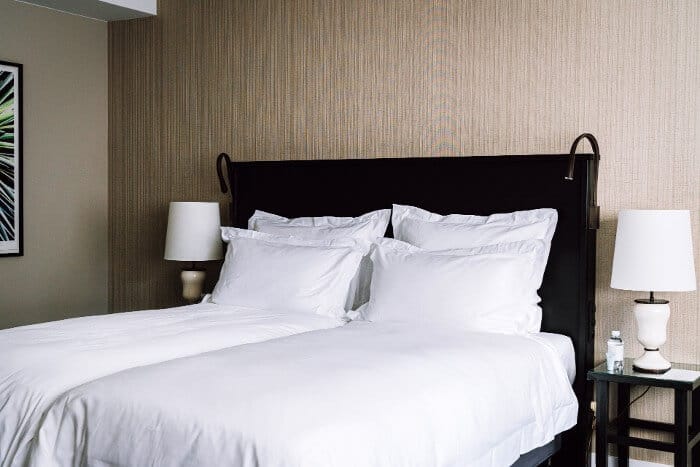
The Pillows City Hotel Brussels Center is a superb mid-range option in the heart of Brussels.
It’s brilliantly located, making it super easy to hop over to the main attractions and the central station.
They offer a fantastic breakfast and have a delightful terrace for some relaxation time.
It’s a straightforward choice for comfort and convenience during your stay in Brussels.
🏢 Boutique: Hotel Hubert Grand Place
Hotel Hubert Grand Place, located in a charming historical building, exudes boutique charm in the heart of Brussels.
While breakfast is not included, it’s conveniently available next door.
The hotel’s prime location between Brussels Central Station and Grand Place, combined with its stylish and unique rooms, makes it a delightful choice for travelers seeking a boutique experience.
🏢 Luxury: Juliana Hotel Brussels
Juliana Hotel Brussels is all about luxury and convenience. It’s right in the historic center at Place Du Martyr, so you’re in the heart of the action.
You can unwind in their indoor pool and spa, and they even offer valet parking for your ease.
The courtyard with a lovely terrace is perfect for relaxation, and don’t miss their wonderful breakfast – the ideal start to your day in Brussels!
When is the best time to visit Brussels?
Choosing the best time to visit Brussels really depends on what you’re looking for in your trip. Here’s a quick breakdown:
💡 Spring (March to May): This is a beautiful time to visit. The weather starts warming up, and the city’s parks and gardens come to life with blooming flowers.
It’s also less crowded, so you can enjoy the sights without too many people around.
💡 Summer (June to August): Summers are great for outdoor activities and festivals.
The city buzzes with energy, and there’s always something happening.
However, it’s also peak tourist season, so expect more crowds and higher prices. And it can get pretty hot in the city.
💡 Fall (September to November): Fall brings cooler temperatures and fewer tourists.
It’s a great time to explore the city comfortably and witness the beautiful autumn colors in the parks.
💡 Winter (December to February): If you don’t mind the cold, winter can be magical, especially around Christmas with markets and lights. But it can be quite chilly, and daylight hours are shorter.
I prefer either May or September as they typically have pleasant weather (even though rain is always possible!) and fewer tourists.
How many days should you visit Brussels?
If you’re just looking to hit only the major sights like the Grand Place, Manneken Pis, and a few museums, you could probably pack it into a busy one-day trip.
Count two if you also would like to see the Atomium and other attractions that aren’t in the historic center.
But to soak in the city’s vibe, explore its neighbourhoods, and enjoy its cafes and parks without rushing, I’d recommend at least three days.
And if you’re using Brussels as a base to explore more of Belgium or even nearby countries, you could easily extend your stay.
The city’s central location makes it perfect for day trips to other Belgian cities or even quick jaunts to places like Paris or Amsterdam.
So, the length of your stay depends on your pace and interests, but Brussels is worth more than just a quick stopover.

Important tips when visiting Brussels
When planning a trip to Brussels, a few tips can enhance your experience. Here are some essentials to keep in mind:
💡 Language: Brussels is officially bilingual, speaking both French and Dutch, although many people in Brussels prefer French and refuse to speak Dutch. But you’ll find English is widely spoken too. Knowing a few basic phrases in French will be appreciated by locals.
💡 Weather: Be prepared for unpredictable weather. Bring layers and an umbrella. However, typically, the weather won’t change from sunny to rainy in minutes (except in spring).
💡 Cash and Cards: While many places accept cards, it’s good to have some cash, especially for smaller shops or markets. QR code payments are also readily available.
💡 Walking Shoes: Brussels is a city with lots of cobblestone streets, so comfortable shoes are welcome.
💡 Local Cuisine: Sure, Belgian chocolates, waffles, and fries are must-tries, but don’t stop there. Belgium has loads of great restaurants serving up all kinds of tasty dishes. Try to explore beyond the well-known treats to experience the rich culinary landscape of Brussels fully.
💡 Museum Visits: If you’re planning on visiting a museum, check for free entry days or consider getting a Brussels Card for discounts. And don’t forget that the majority of the museums are closed on Mondays.
💡 Stay Connected: A local SIM card can be handy for internet access and using maps to navigate the city. If you’re visiting other countries in Europe you’ll be able to use the same SIM card.
💡 Explore Beyond the City: Consider taking day trips to nearby towns and attractions to fully experience what Belgium has to offer.

Frequently Asked Questions
Final Thoughts: Is Brussels worth visiting?
So, is Brussels worth a visit? I’d say, maybe.
It’s not your quaint, postcard-perfect town, but it’s got its cool character. But from my trips there, I’ve found that it takes some time to appreciate and enjoy it.
The charm is in its old neighbourhoods, small shops, and hidden gems – typically not the things you’re looking for when you’re on a quick city break.
As the capital, it’s undoubtedly on everyone’s list, but if you’ll only be visiting one destination in Belgium, don’t pick Brussels. Go for one of the other art cities: Bruges, Ghent, or Antwerp.
However, the central location makes it great for exploring the rest of Belgium and Western Europe.
And the city has some cool museums that are well worth exploring.
Let me know in the comments if you decide to include Brussels in your Belgium itinerary!


BELGIUM TRAVEL PLANNING RESOURCES
Getting to Belgium: Fly into one of the main international airports: Brussels Airport (BRU) or Charleroi Brussels South Airport (CRL). Take an international train to Brussels South Station. Or take a ferry to Dover or The Netherlands, then drive or take the train to Belgium.
Getting Around: For the major destinations, the train is by far the best option. You can book your train tickets here. If you’d like to visit smaller places, the most convenient way would be to rent a car. We always use Discover cars, they compare all the rental companies and give you the best rates.
Accommodation: Booking.com is the most popular accommodation platform in Belgium. It’s what I use every single time.
Guided tours: Use Get Your Guide or Viator to find fun tours in Brussels, Bruges, Ghent and Antwerp. Or Guruwalk to find free walking tours in multiple destinations.
If this helped you plan your adventure, a coffee would go a long way in fueling my next guide! 😉
